


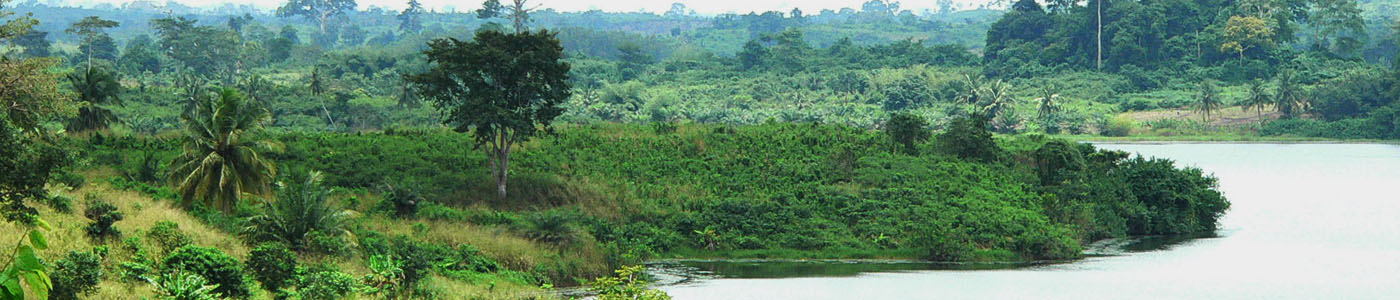
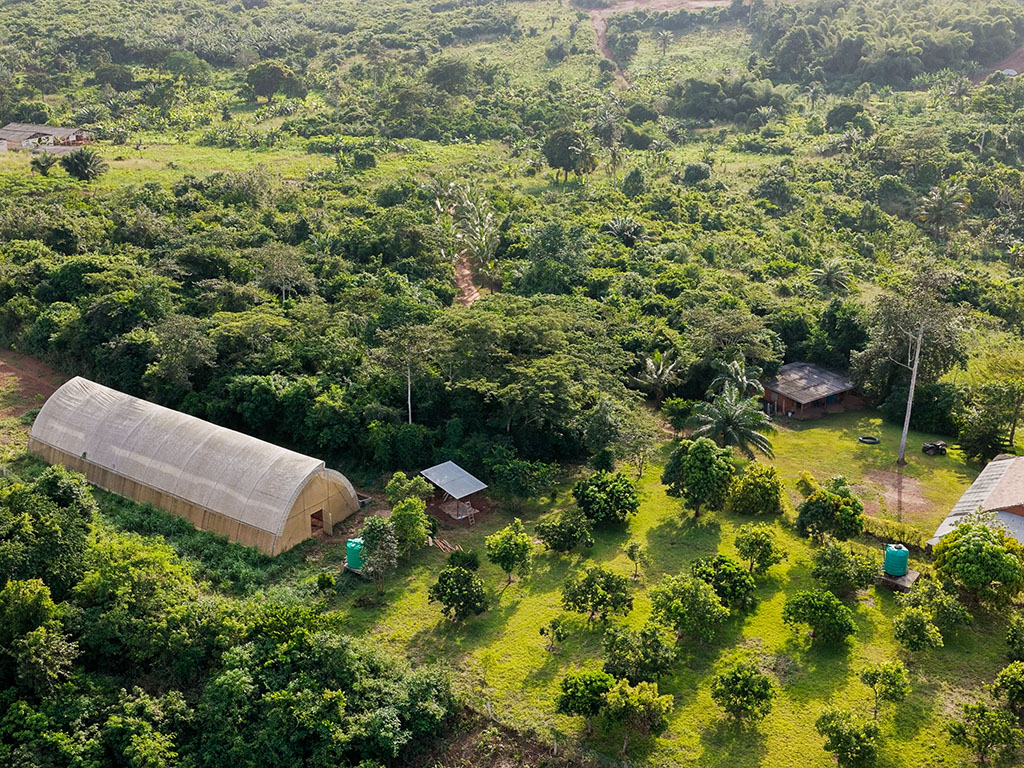
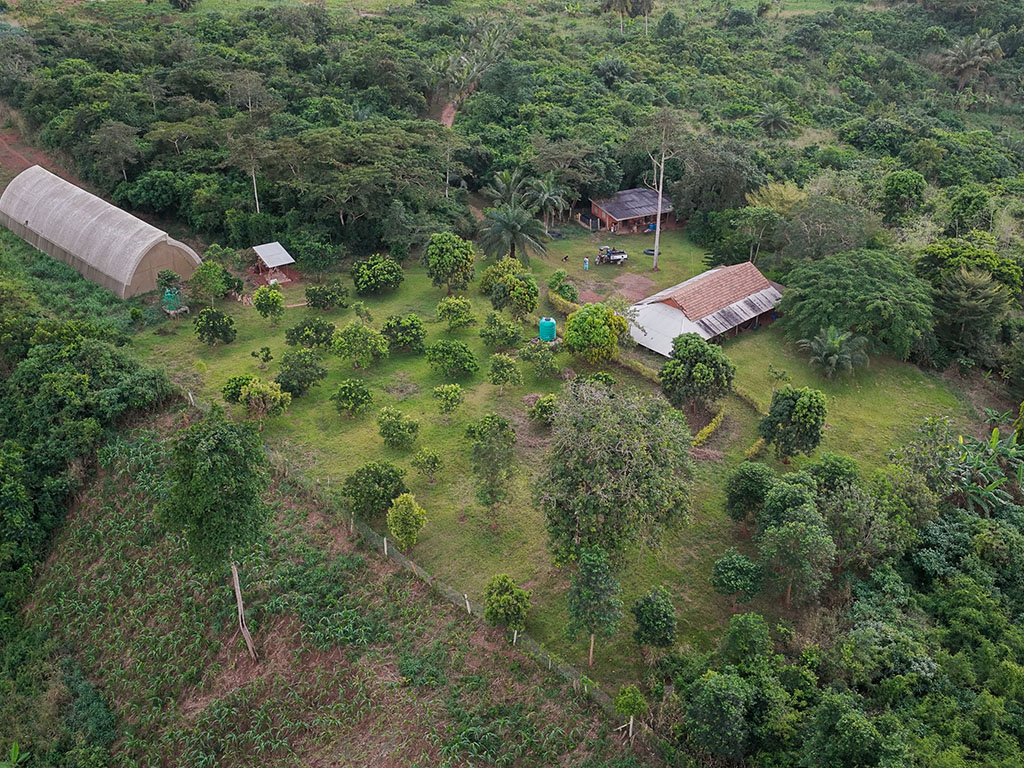
At Lake Agege Farm we want to create a learning and meeting place where international students of architecture, interior design and construction and students of the department of agriculture meet with local farmers and builders as well as Ghanaian students.


The Workshop-Review
We will soon present here a detailed review of our major DIVAGRI closing event with numerous international guest lecturers, which took place from November 4th to 14th, 2025.
We are using the documented content and photographic materials from last year’s workshop to completely redesign and restructure our website, “lake-agege-farm.org," in 2026. This will allow us to present the further development of the farm project more clearly to interested parties. Stay tuned for the new website and please visit us again soon.
The workshop evaluation will also include a 45-minute documentary film and a book on the topic, written in collaboration with various authors.
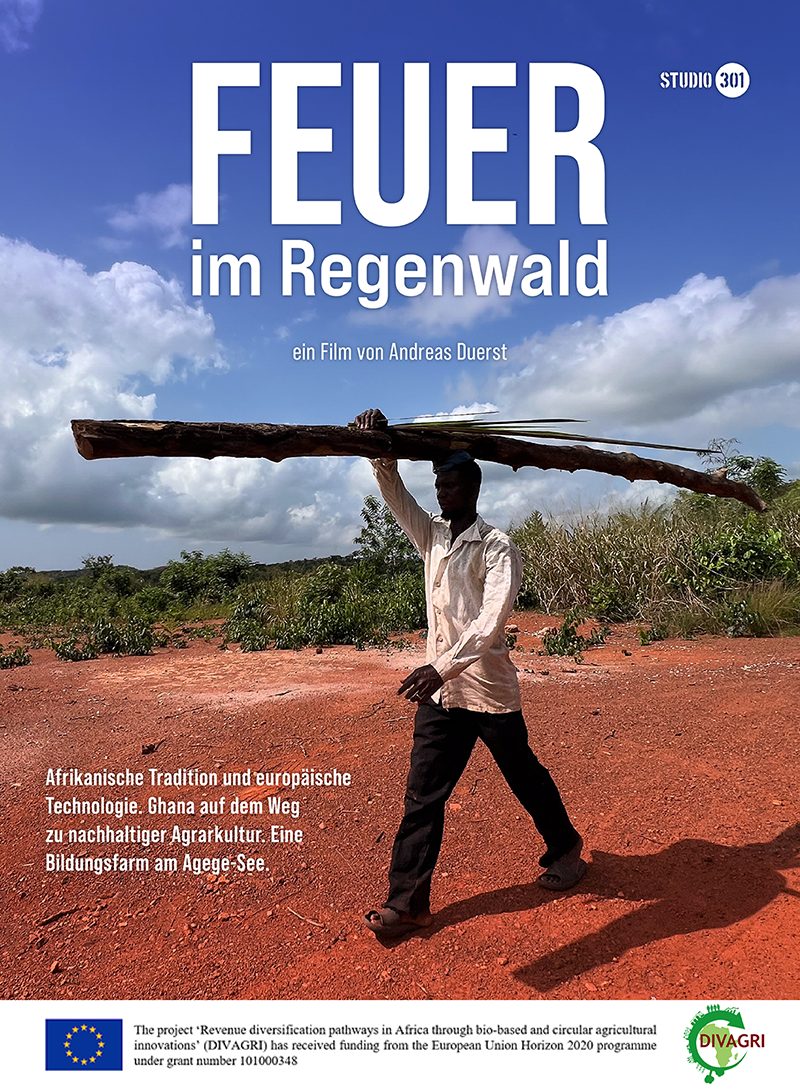
The film documentary about Lake Agege Farm and the workshop
“Fire in the rainforest"
African tradition and European technology. Ghana on the path to sustainable agriculture. An educational farm on Lake Agege.
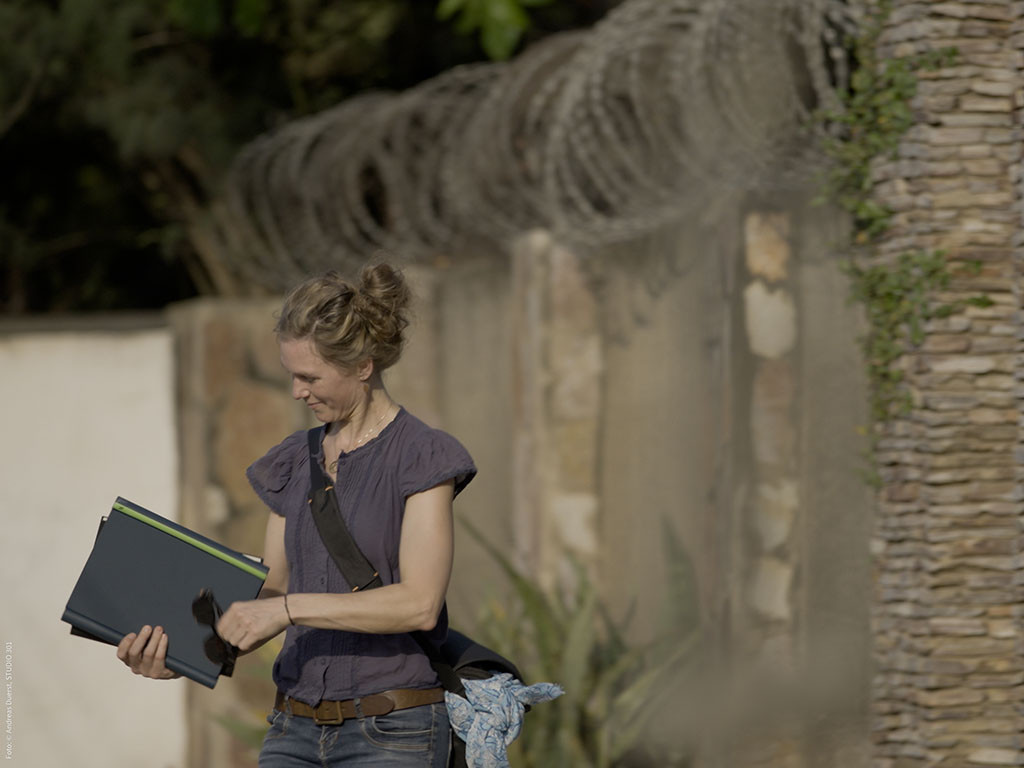
A film by Andreas Duerst
The trailer for the documentary will be available on this website shortly.
More information about the director: www.studio-301.de
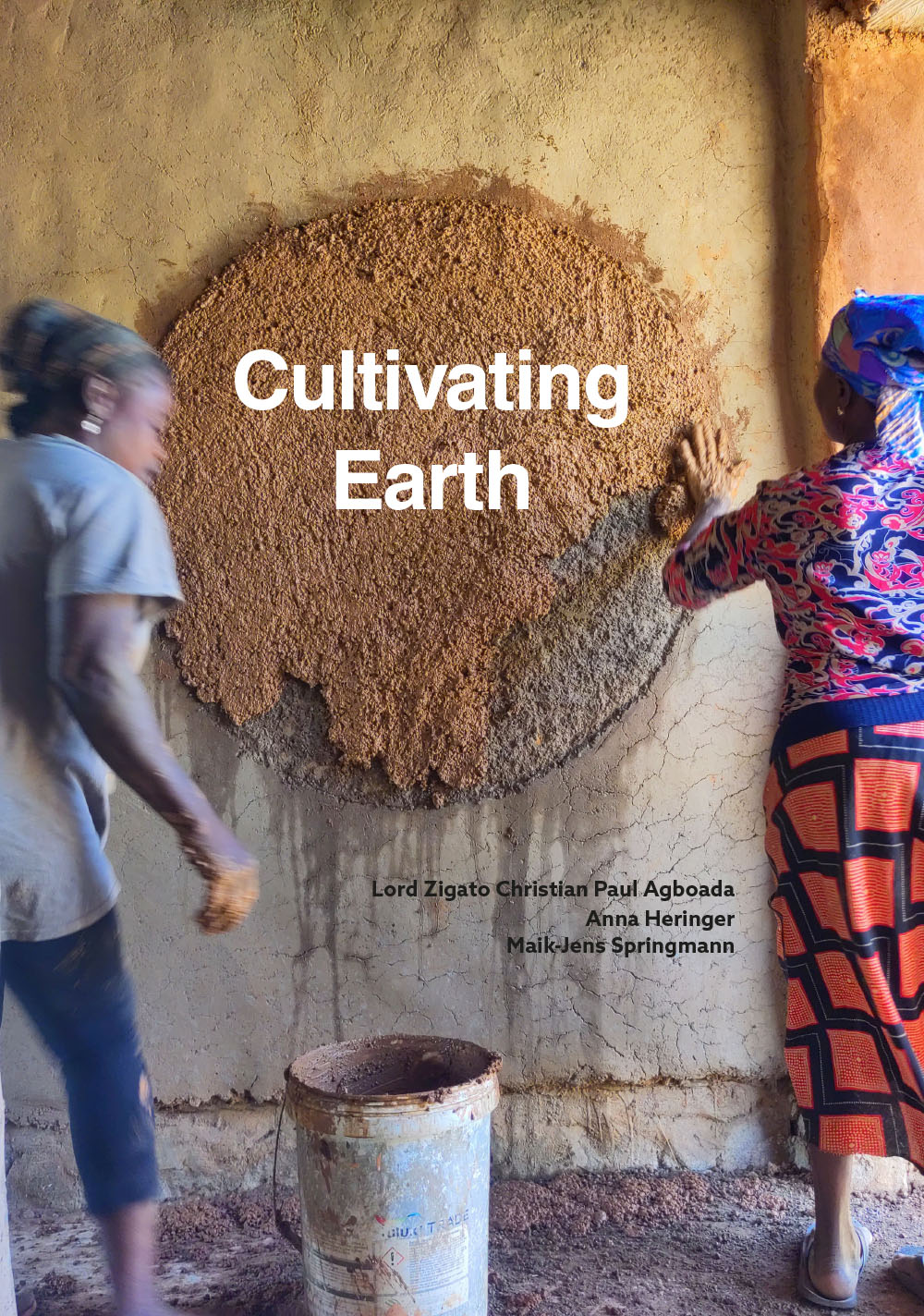
A book by Christian Paul Lord Zigato Agboada, Anna Heringer and Maik-Jens Springmann
“Cultivating Earth"
The upcoming book is created in connection with and in conjunction with the experiences and implementations of the workshop.
This book (Expected publication: Spring 2026) presents the “African Farmhouse of the Future" as an answer to rural exodus and ecological crises. The authors, Christian Paul Lord Zigato Agboada, Anna Heringer and Maik-Jens Springmann, advocate for a renaissance of affordable clay construction instead of soulless concrete buildings. The goal is a symbiosis of sustainable agriculture and modern architecture for a self-determined future.
The authors’ vision inextricably links sustainable, ecological agriculture with modern architecture to counteract current rural exodus and impoverishment. Instead of chemical fertilizers and deforestation, the concept relies on the following pillars:
- Holistic management: Implementation of agroforestry systems and mixed cropping as an ecological alternative to the degradation of rainforest areas.
- Resource efficiency: Upgrading waste products into biochar and biogas to directly reduce farmers’ living costs in their local environment.
- Site loyalty: A shift away from traditional transhumance towards permanent agriculture, which creates social security through the acquisition of land ownership.
- Economic participation: Creation of infrastructure for processing and storing harvested crops, enabling farmers to share in prosperity beyond mere subsistence.
- Cultural identity: Utilization of modernized adobe architecture, which is cost-effective and transforms the natural features into “true culture" rather than “formless civilization."
The book will be published in the near future.
The authors include:
Christian Agboada Lord Zigato is a Ghanaian engineer and project manager who works in various African countries. As head of the Department of Rural Housing, he promotes projects for safe and affordable housing in rural and peri-urban areas of Ghana and supports adopting innovative applications of natural building materials. Since 2008, he has worked for the Ada East District Assembly, the local government authority in Ghana, and since 2009 as a technical advisor for the Salesians of Don Bosco West African South Province. A notable project he is involved in is the Don Bosco Earth Campus in Tatale, Ghana, in collaboration with Studio Anna Heringer.
Anna Heringer, a pioneer in ecological building, primarily earthen architecture, and also teaches at various universities in Europe. Her award-winning work always focuses on a holistic approach that includes local communities. She has published several books and articles in renowned journals (de.wikipedia.org/wiki/Anna_Heringer). In northern Ghana, she is currently collaborating with the Ghanaian architect Lord Zigato on a village building project.
Dr. Maik-Jens Springmann co-founded one of the first organic farms in Mecklenburg-Western Pomerania in 1995 (www.grenzer-oekohof.de). In 2000, he founded Lake Agege Farm near Cape Coast. He has written several books and articles on cultural landscape inventory and cultural development.
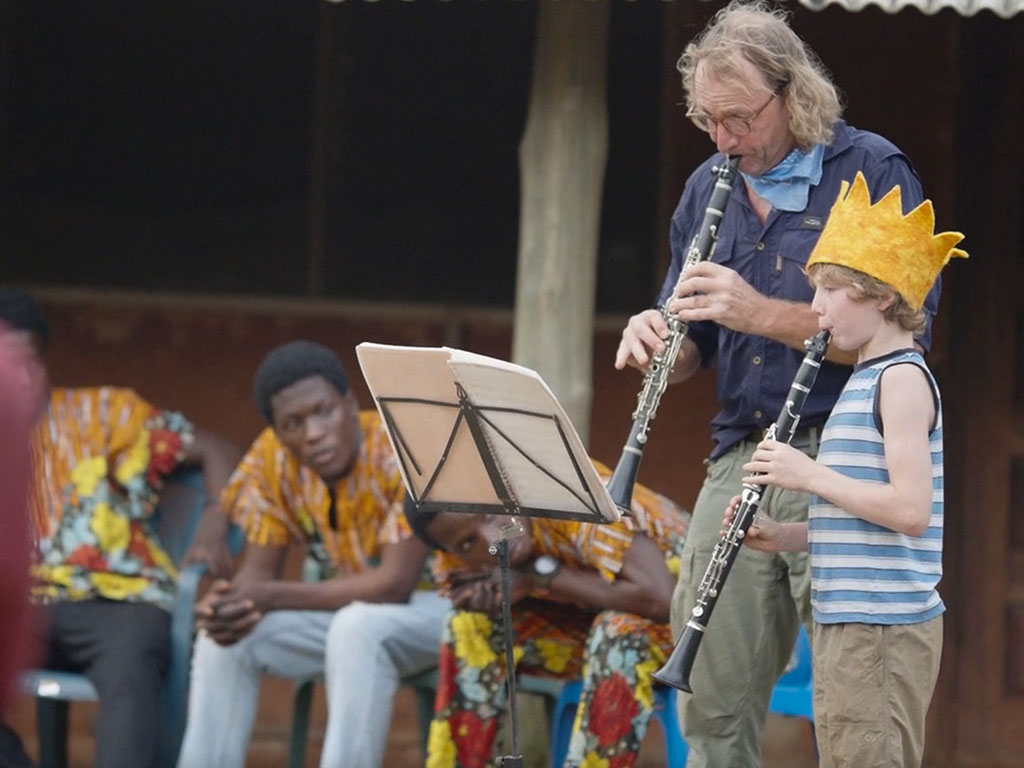
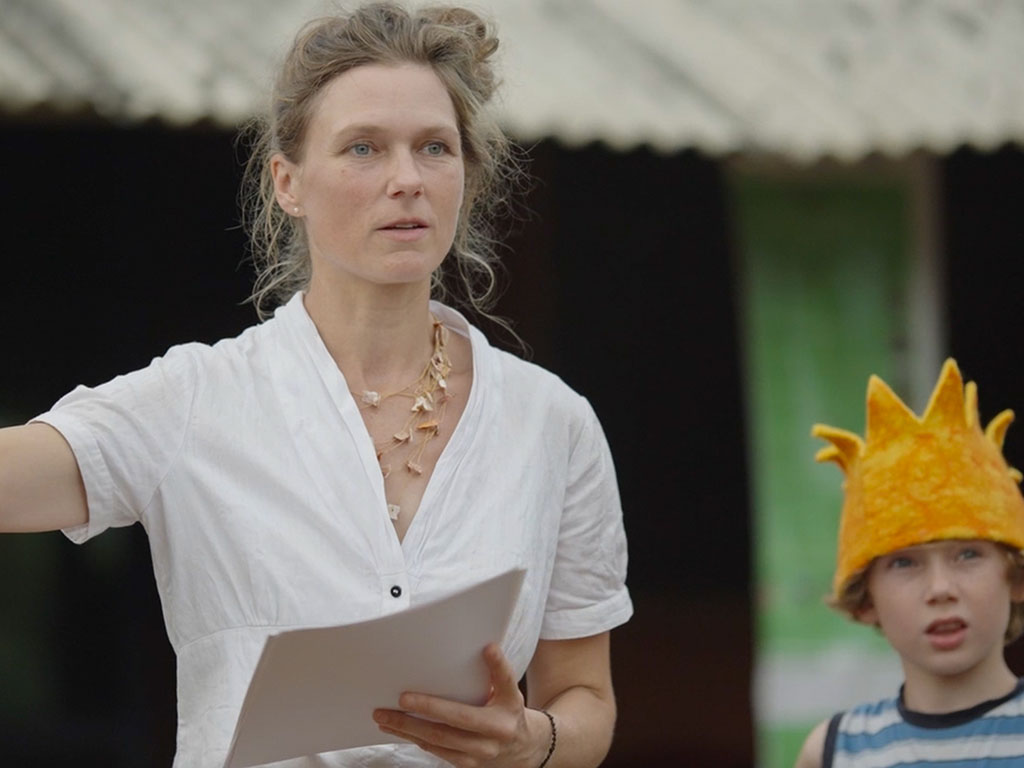
General impressions of the workshop
Photos by Andreas Duerst (www.studio-301.de)
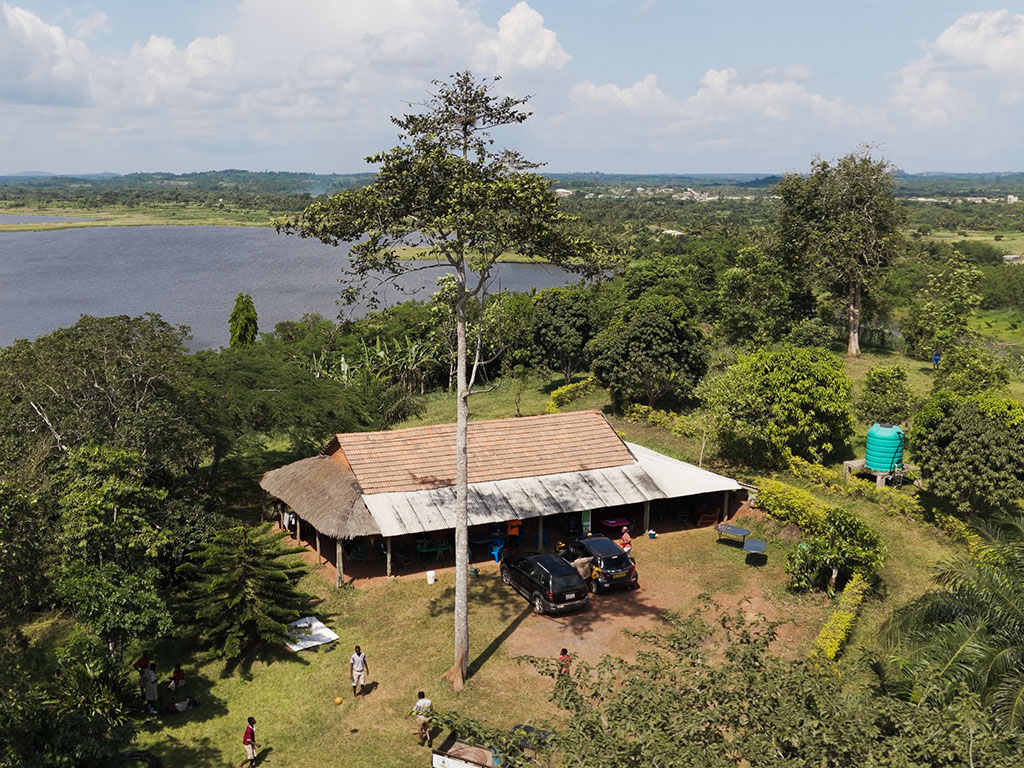
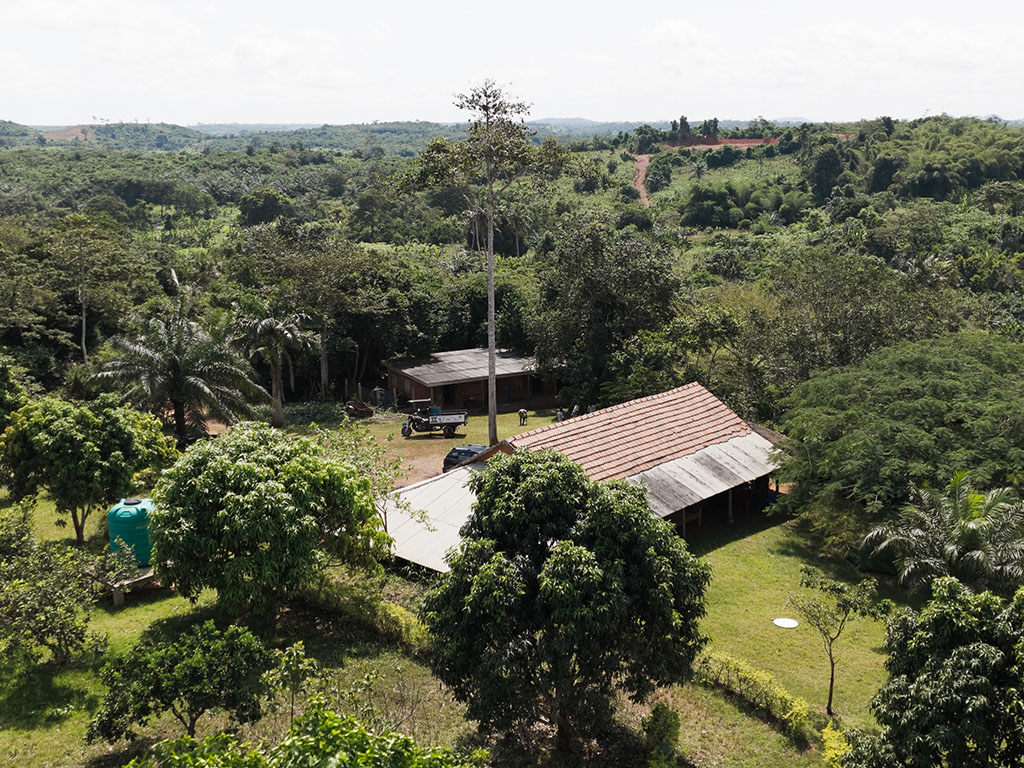
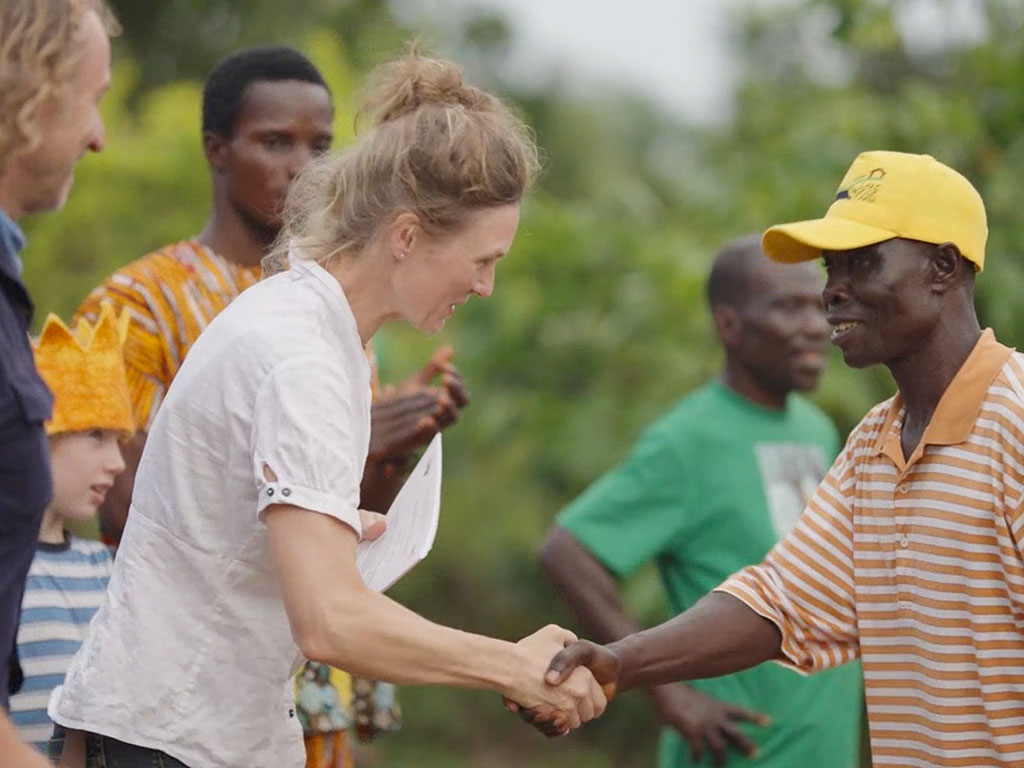
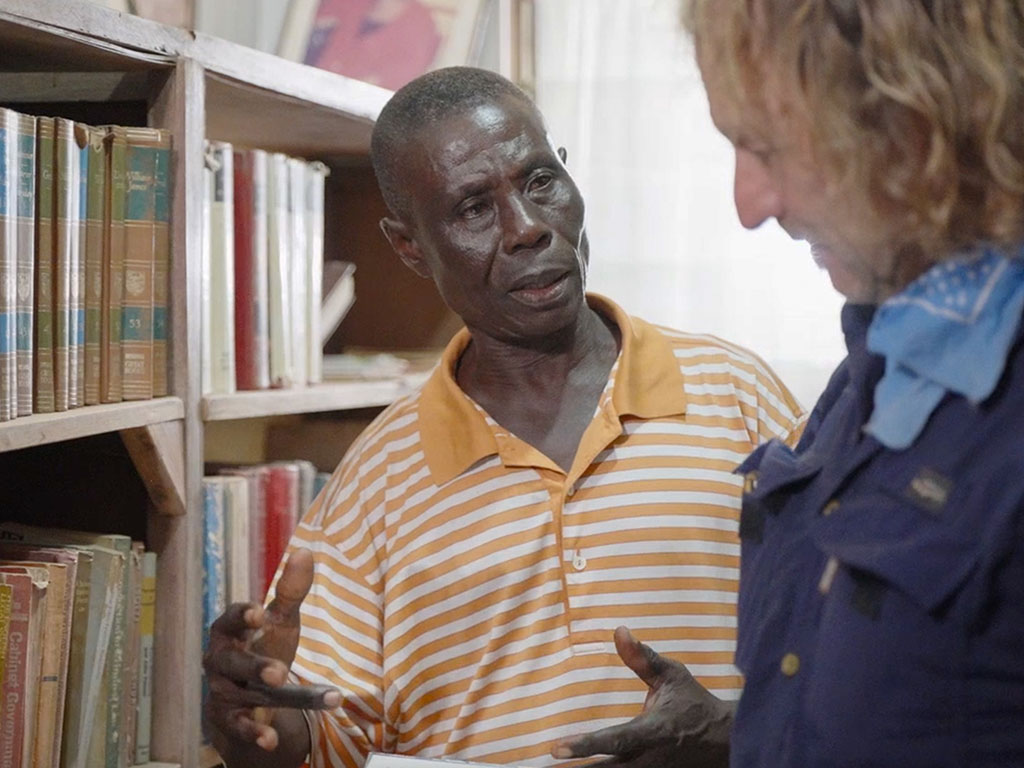
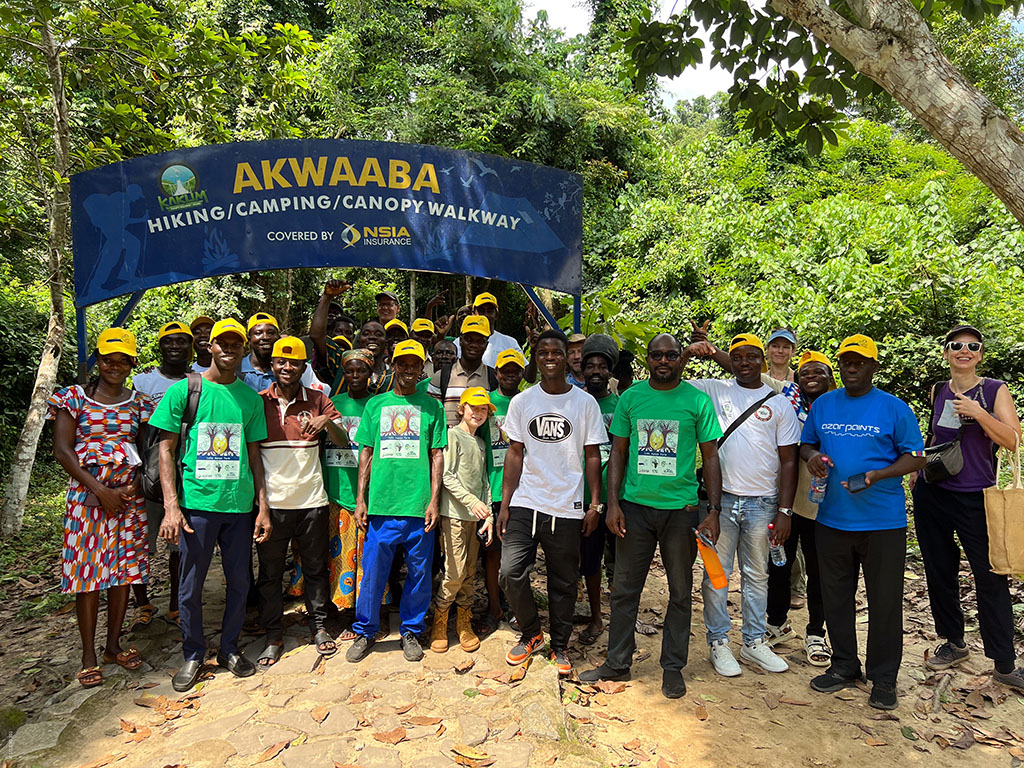
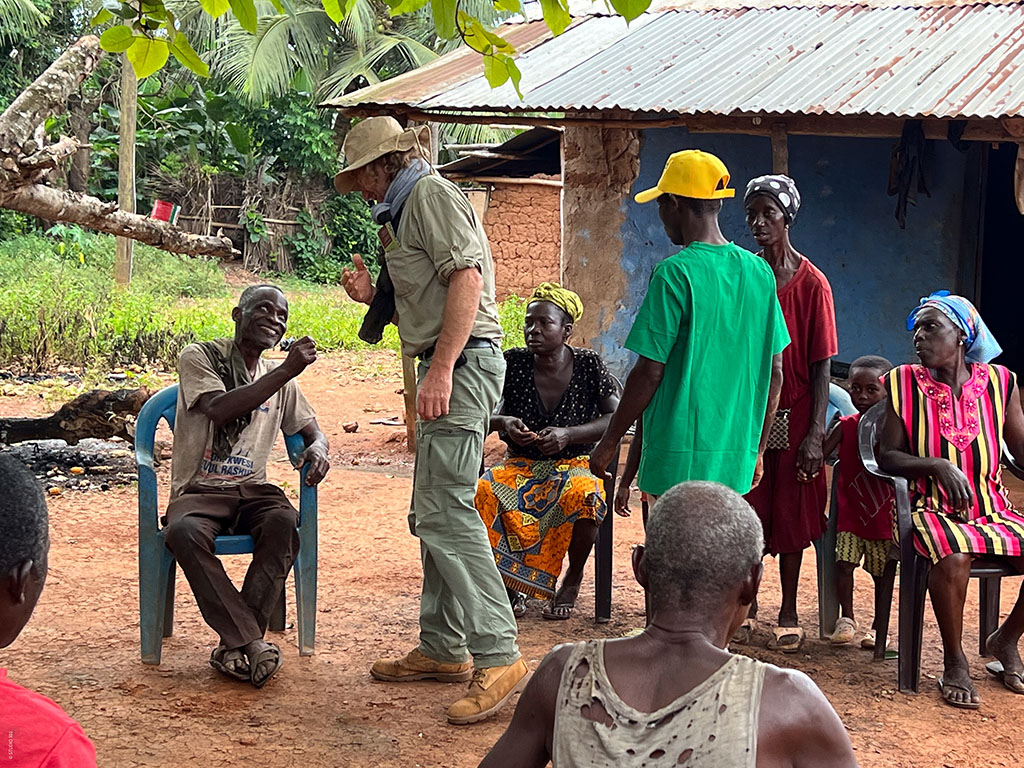
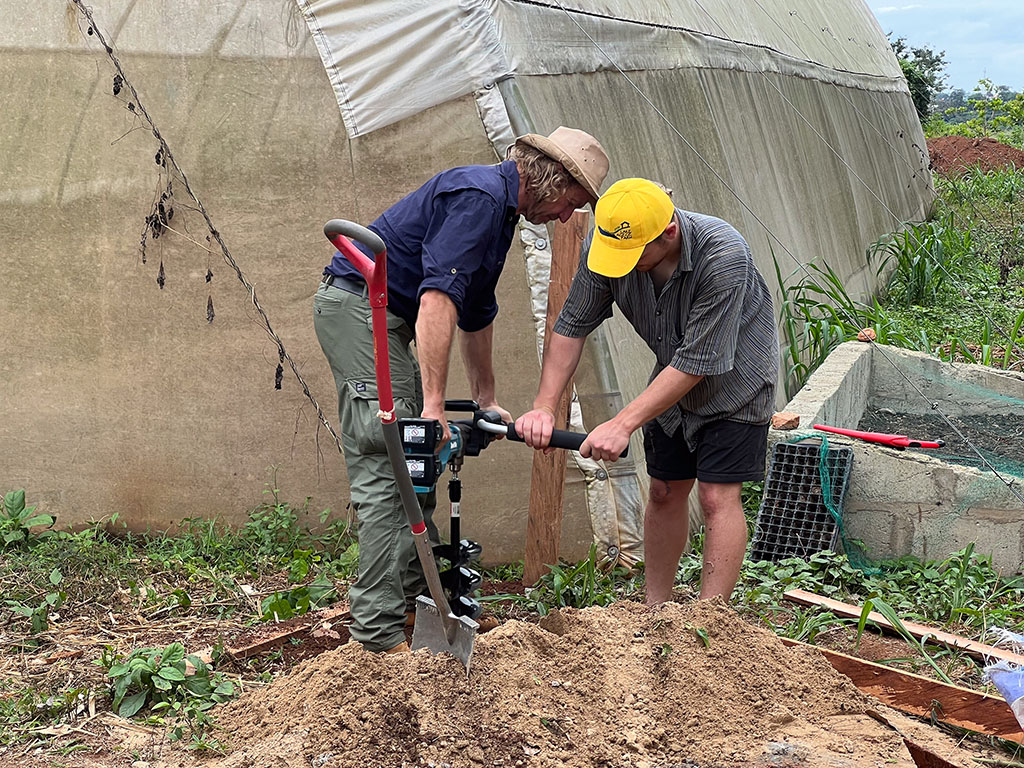
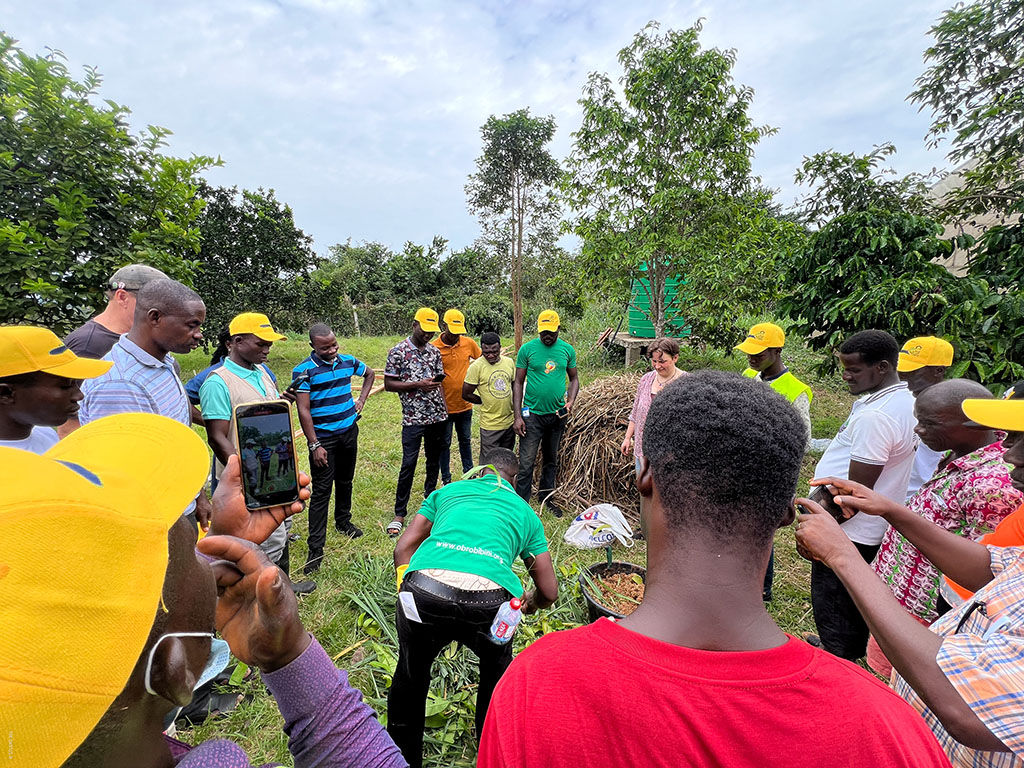
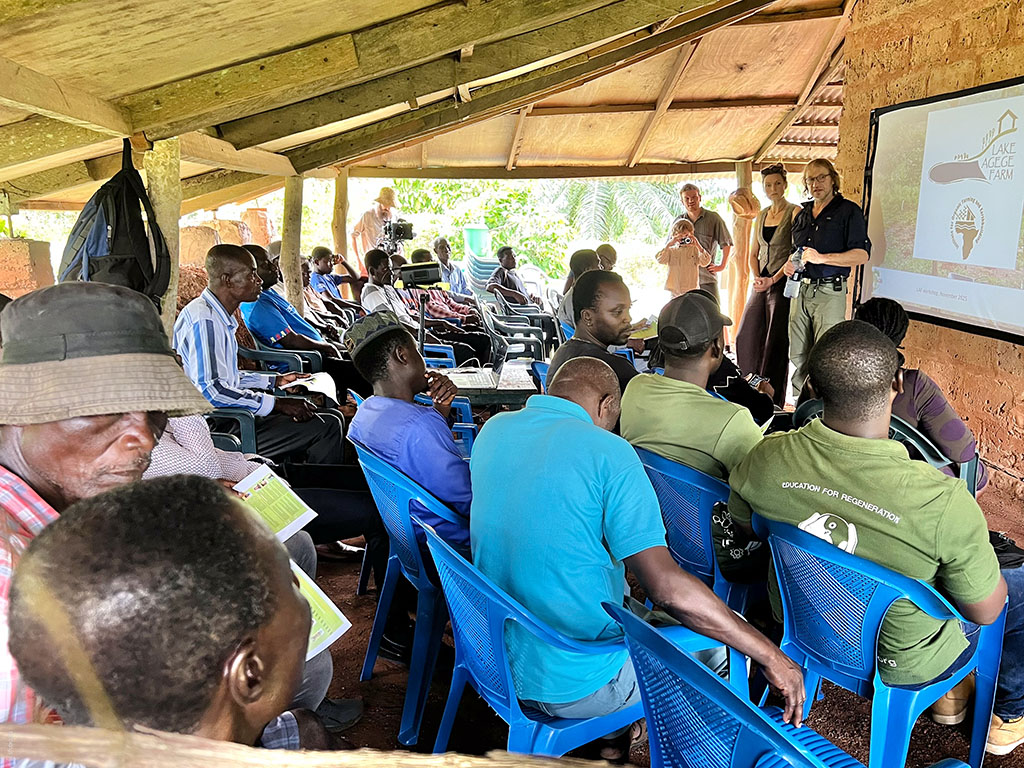
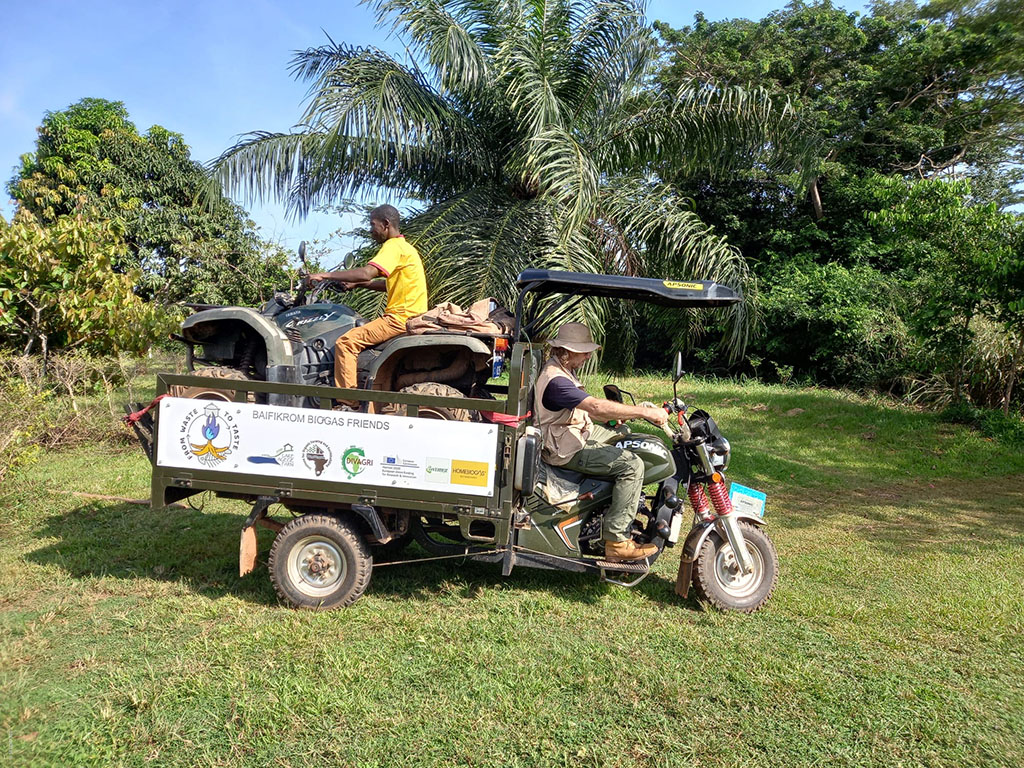
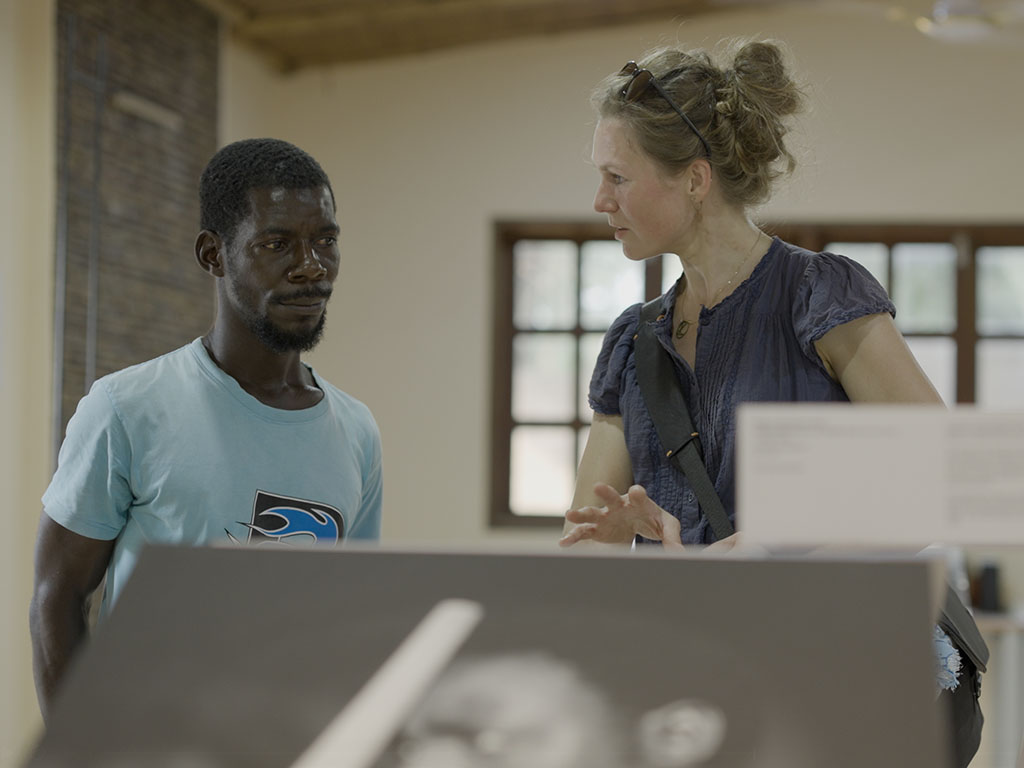
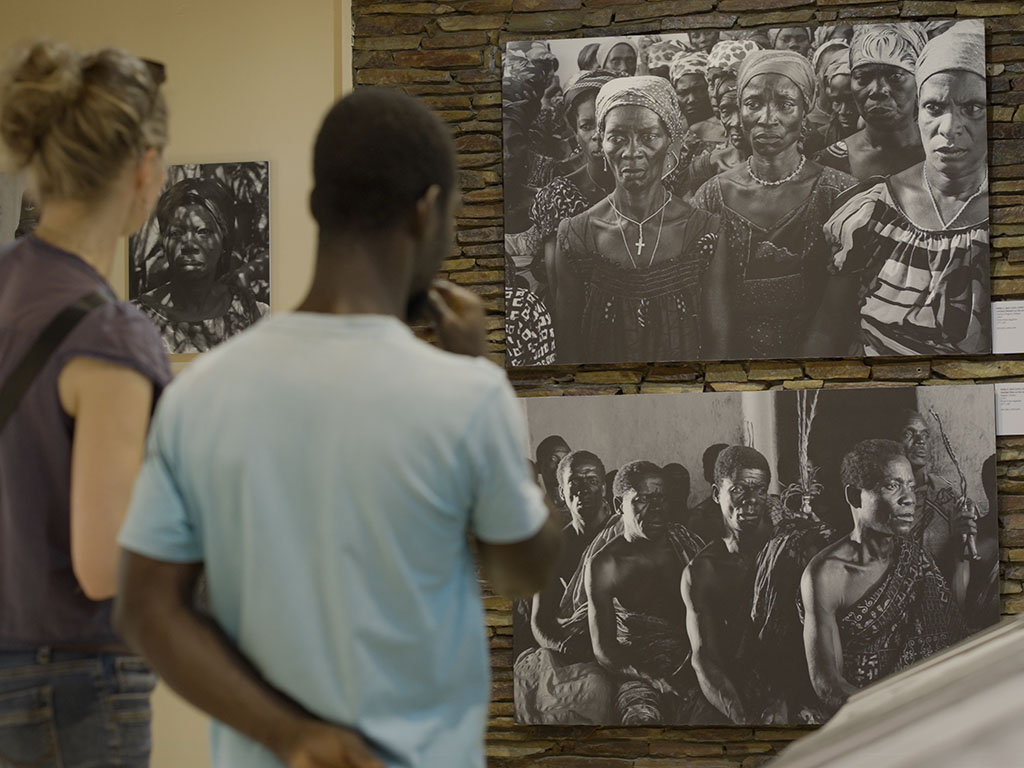
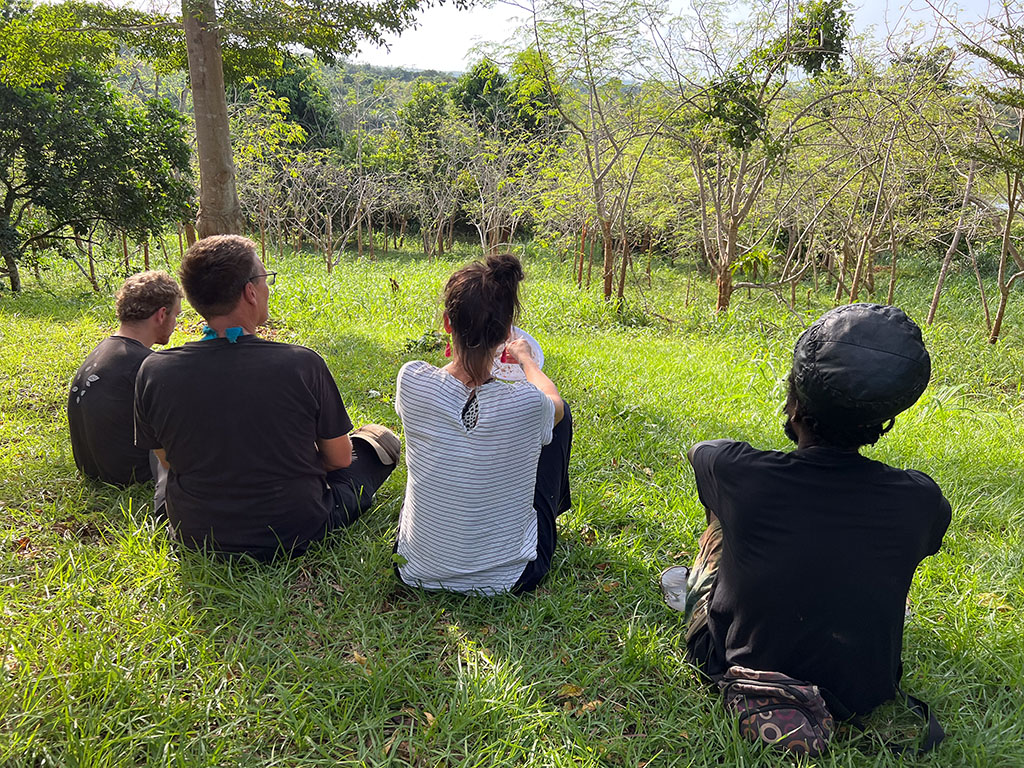
Impressions: Seminar situation
Photos by Andreas Duerst (www.studio-301.de)
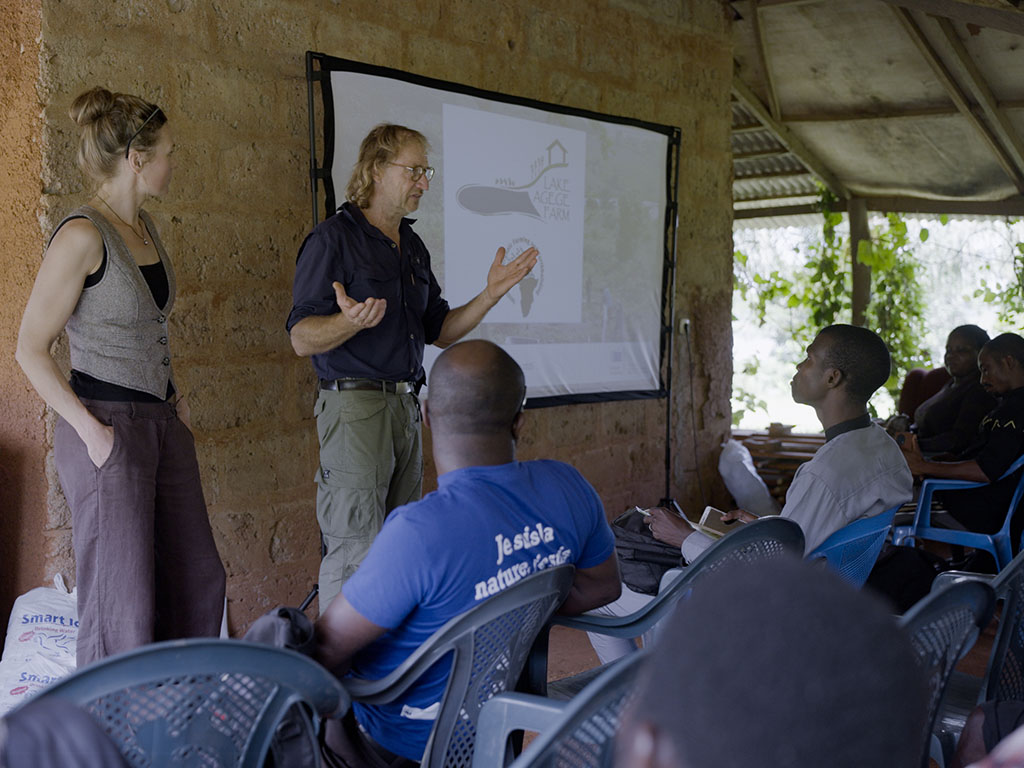
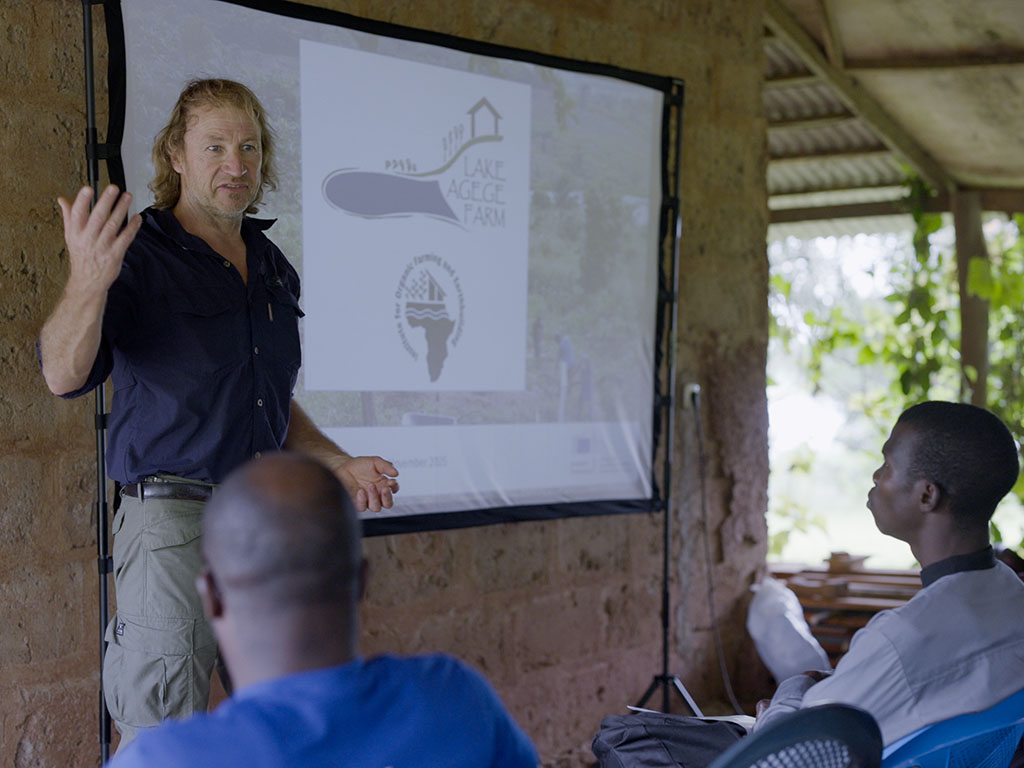
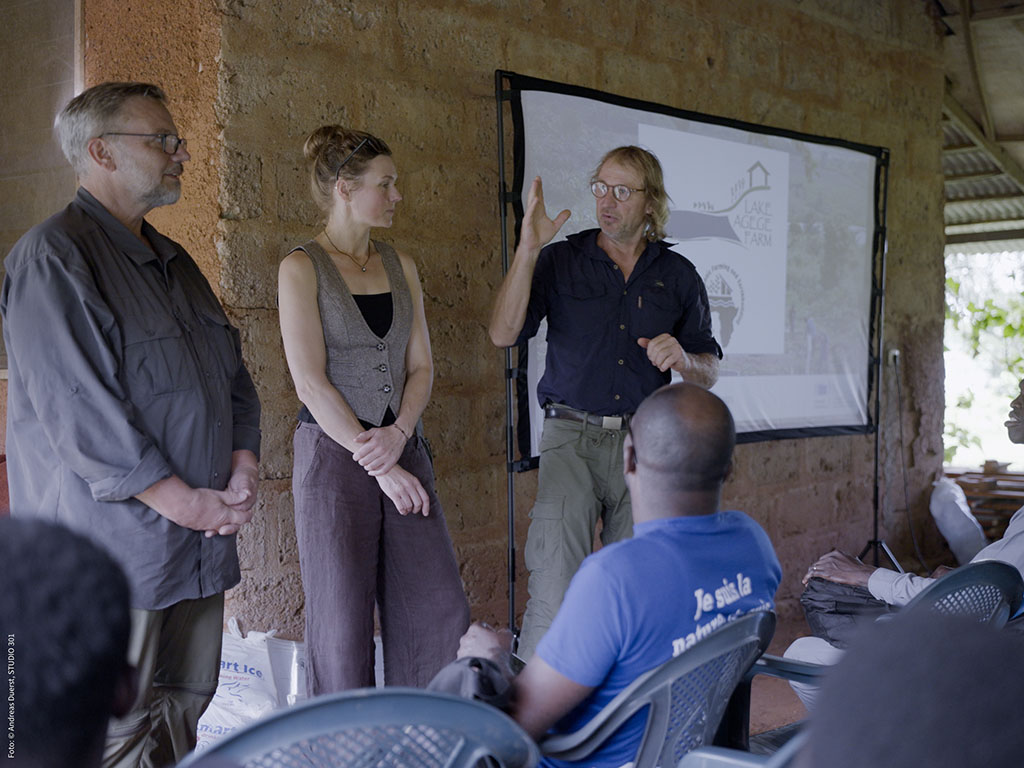
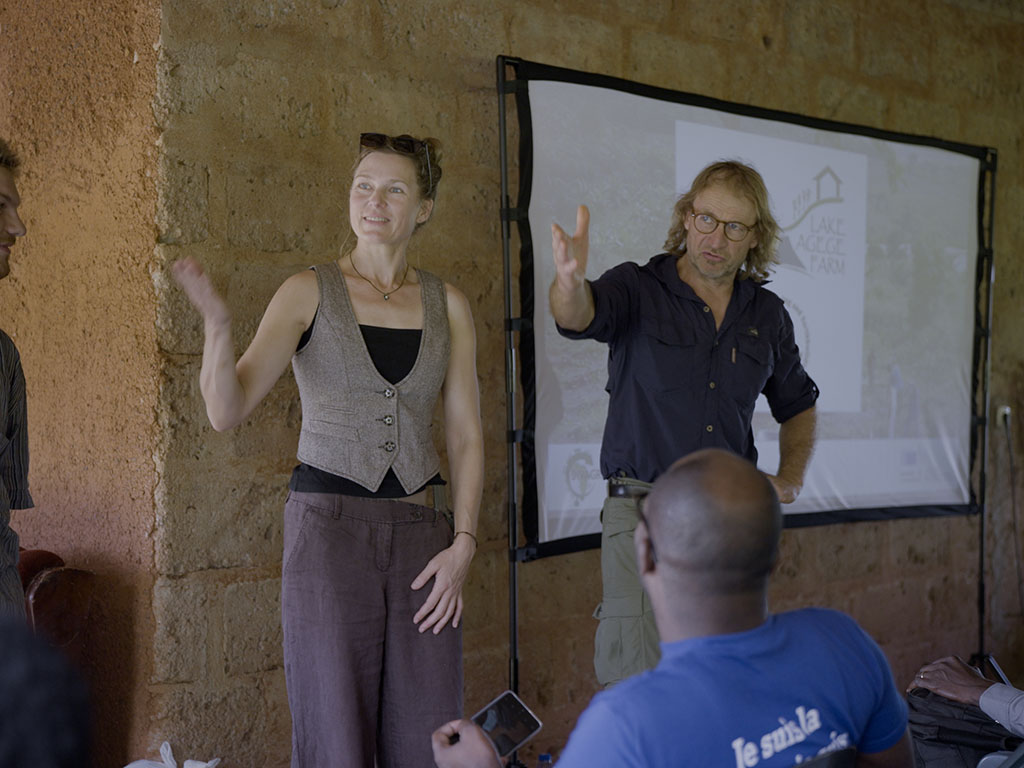
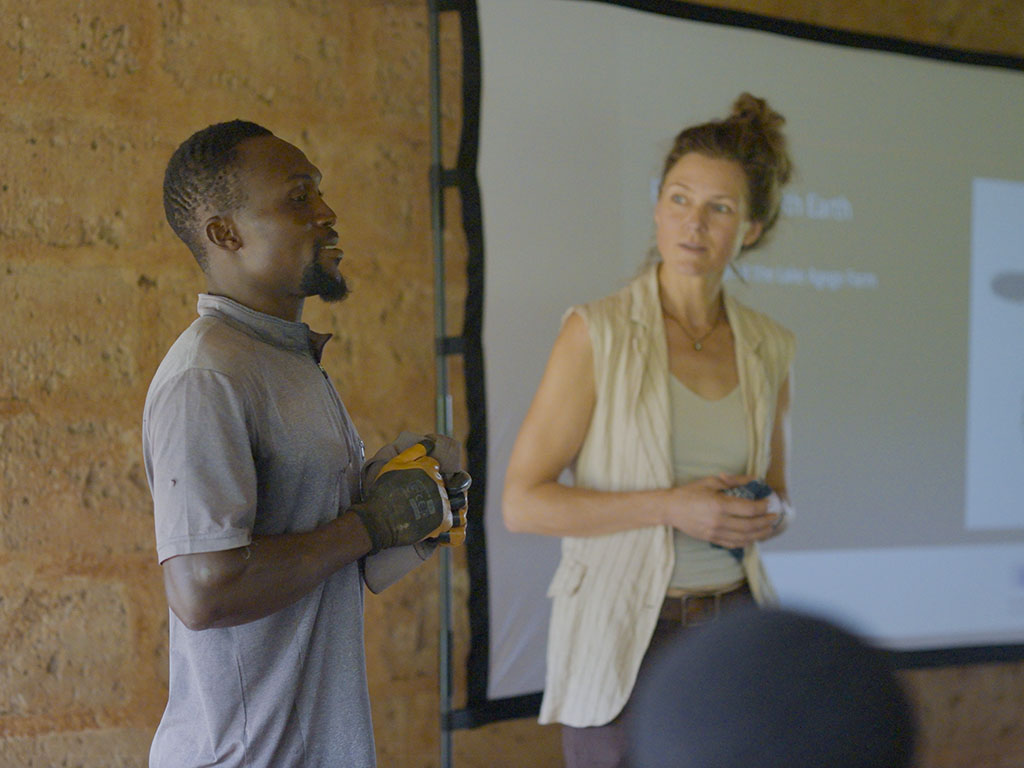
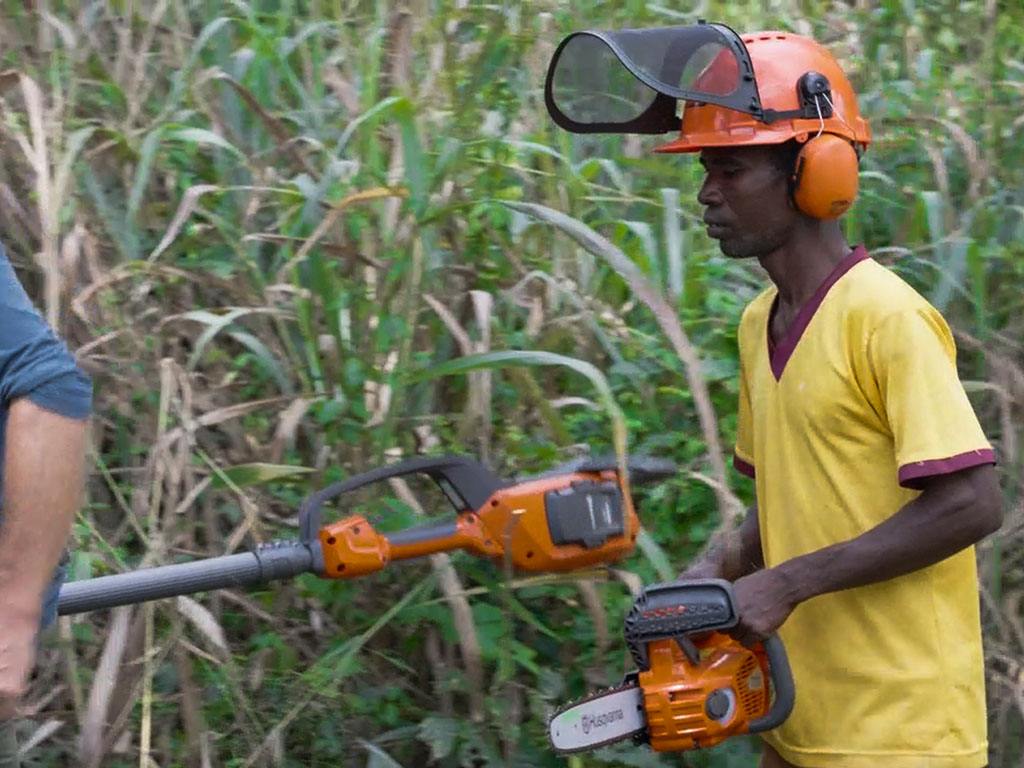
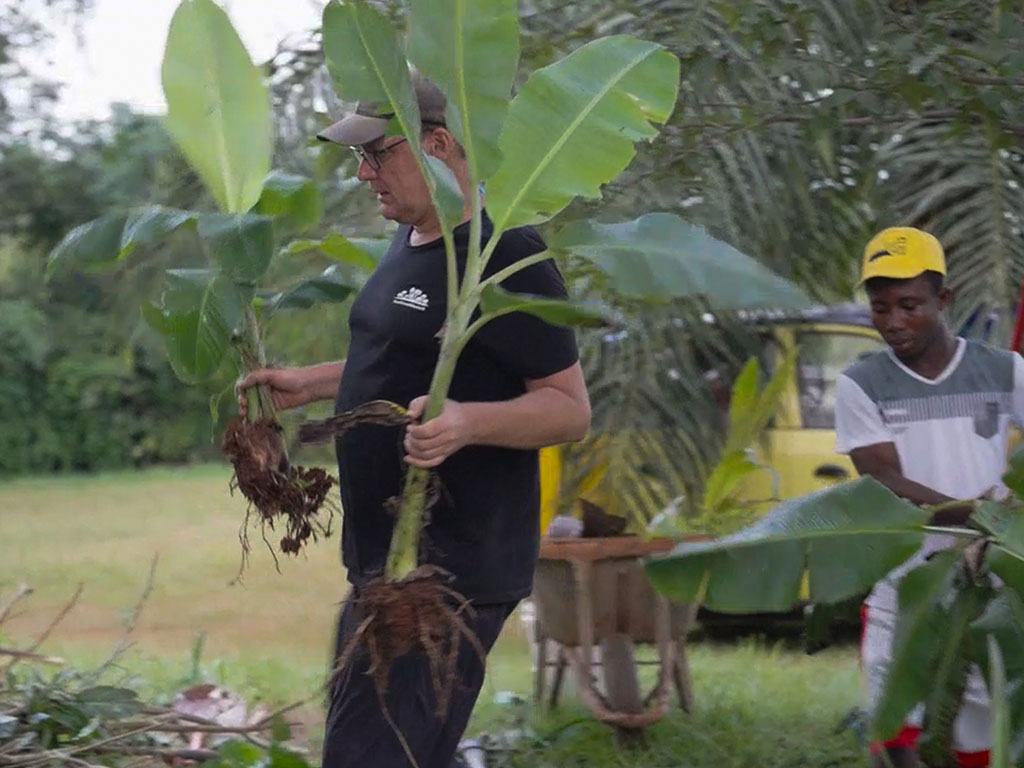
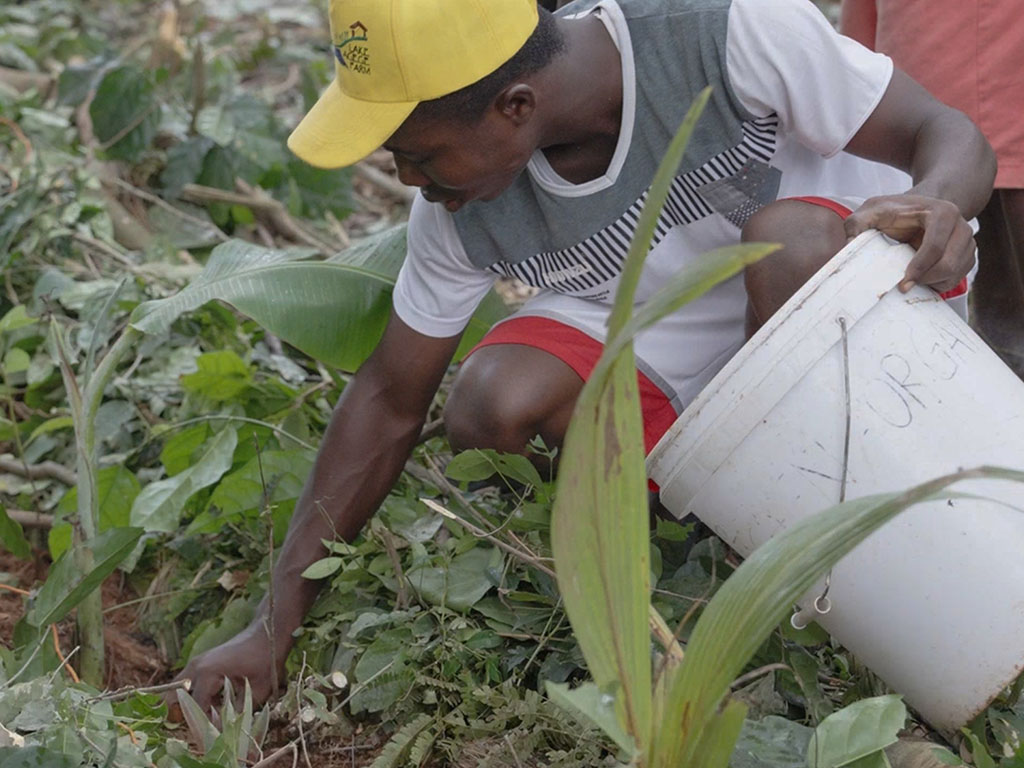
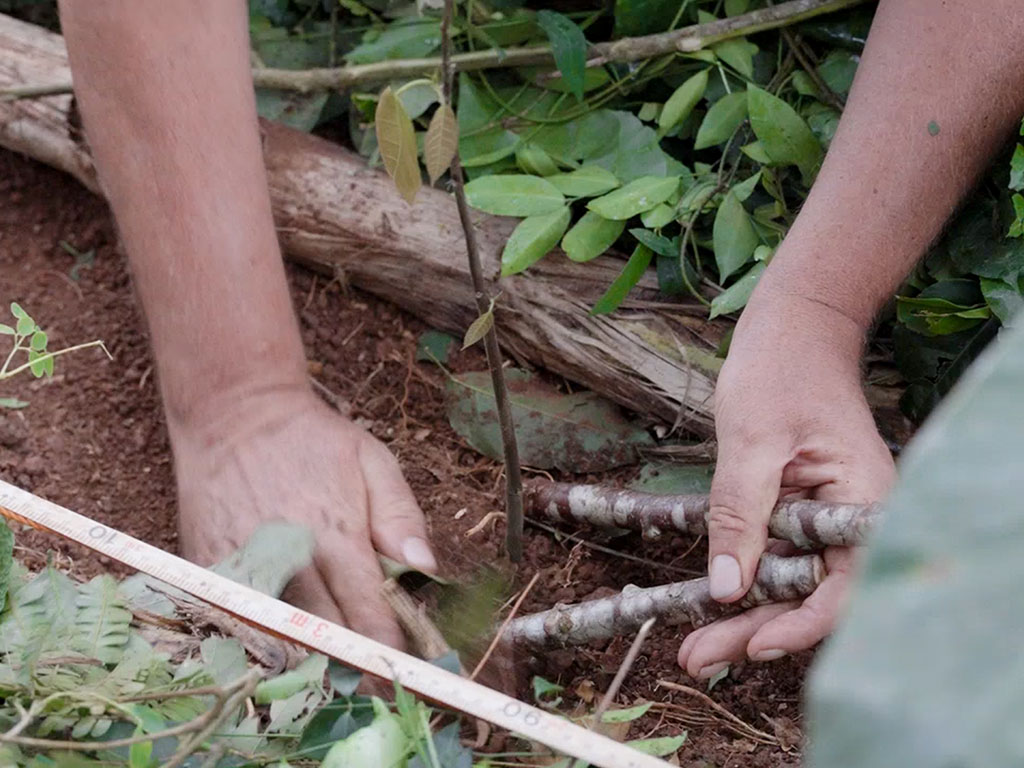
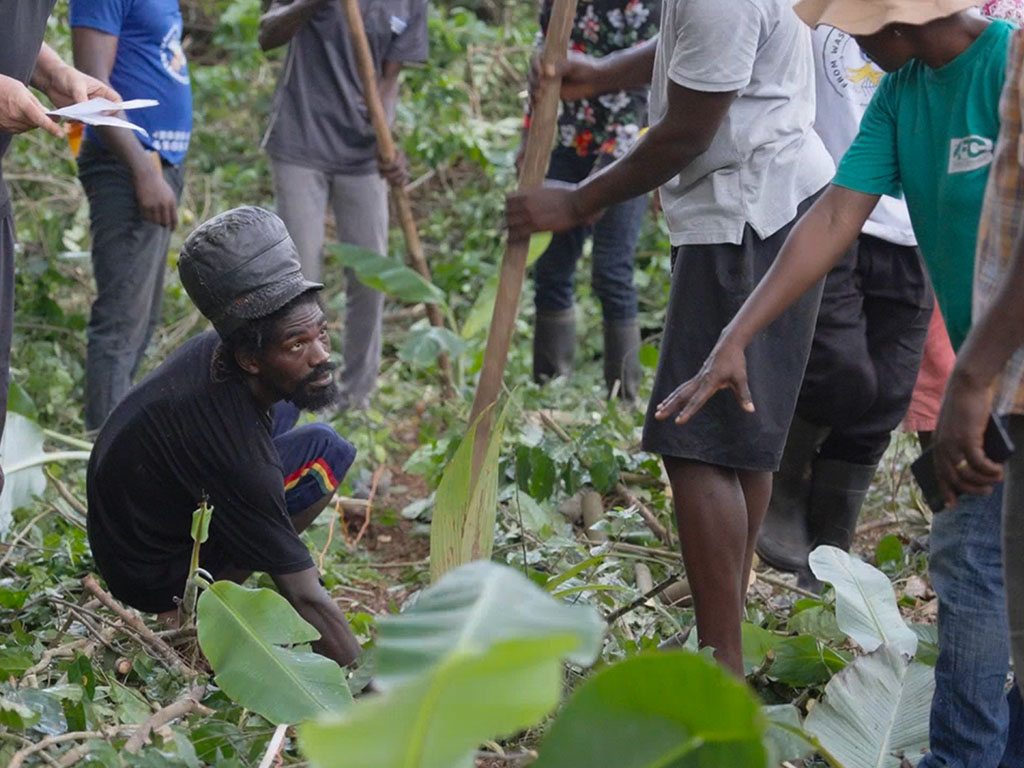
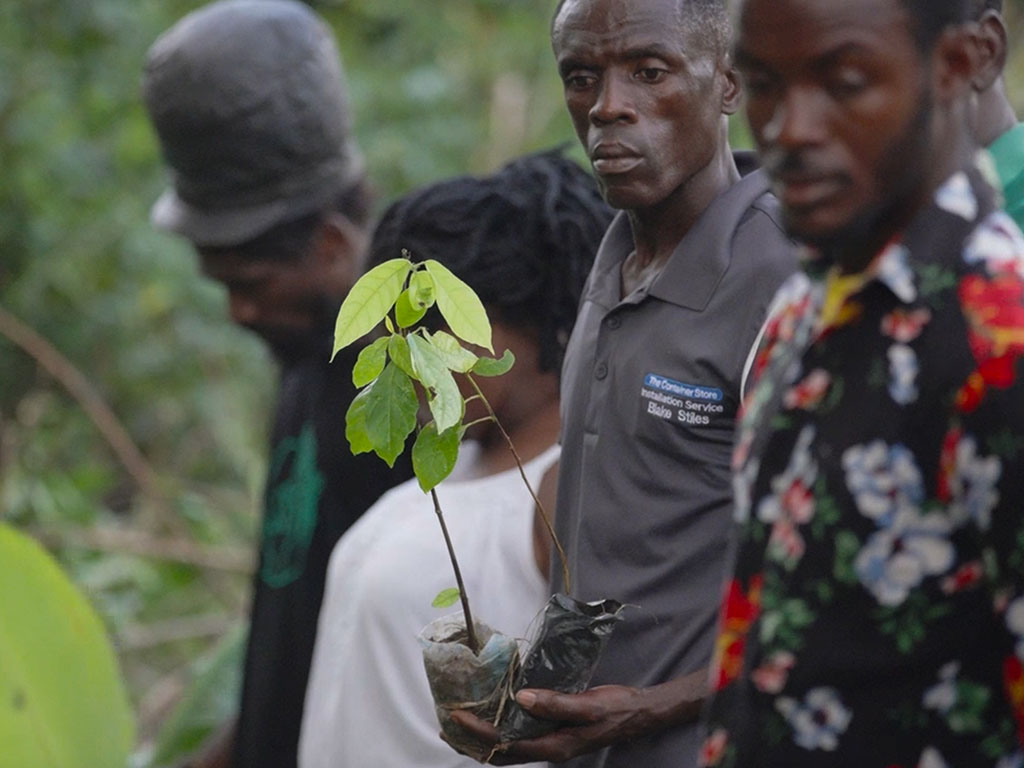
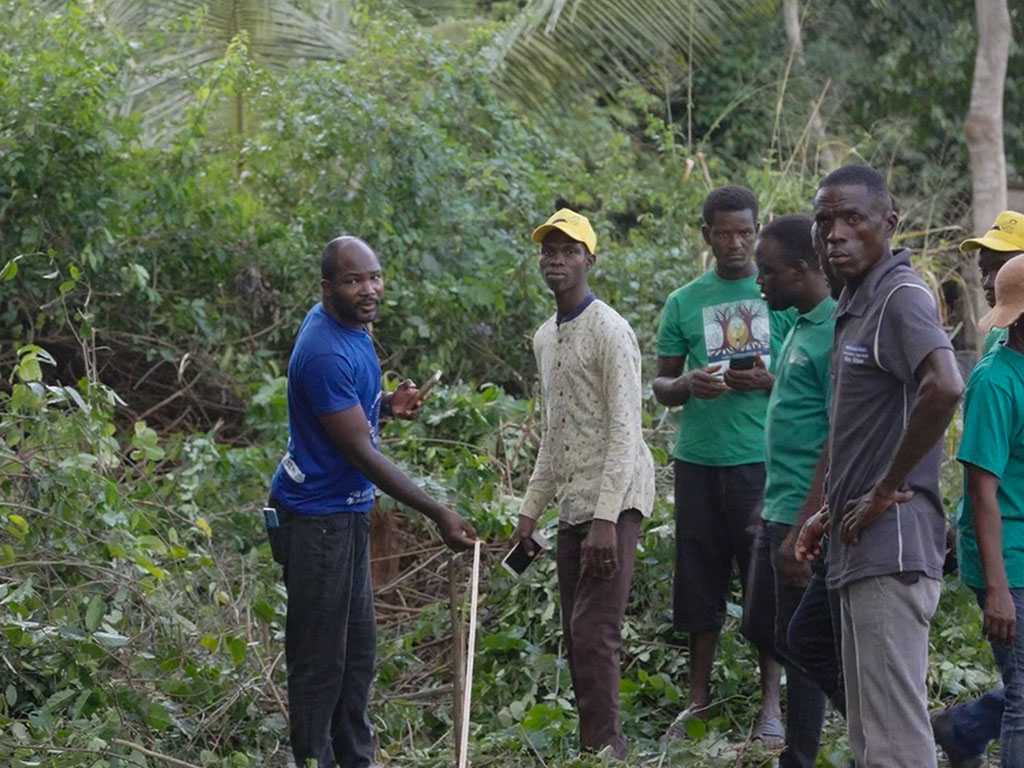
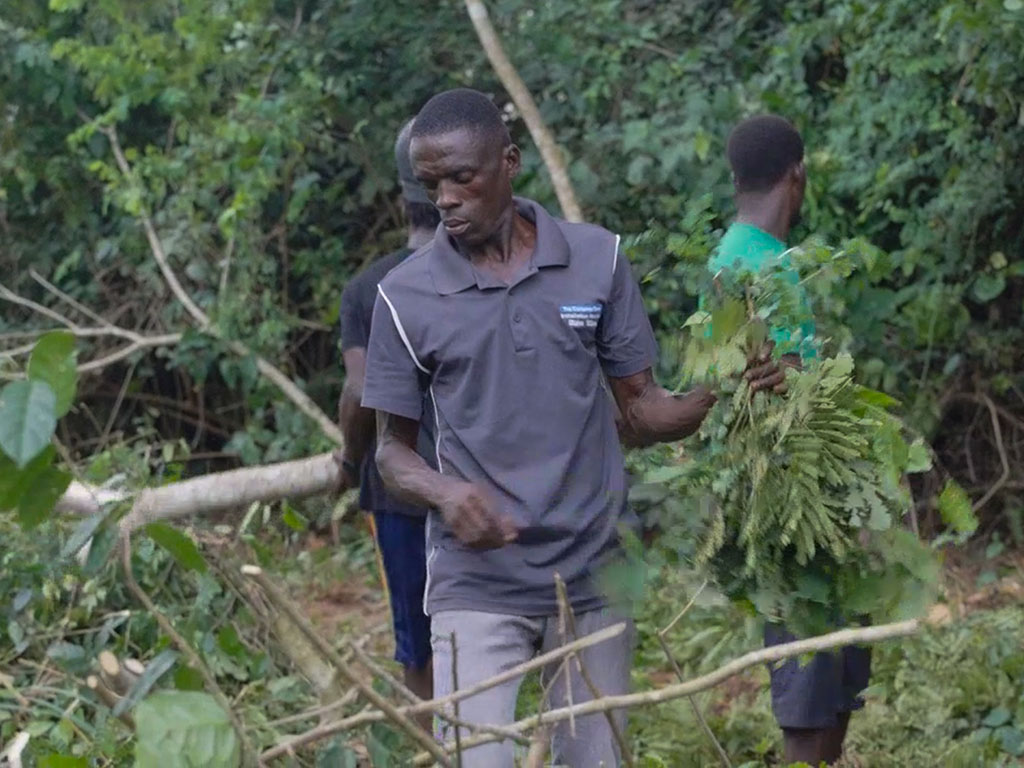
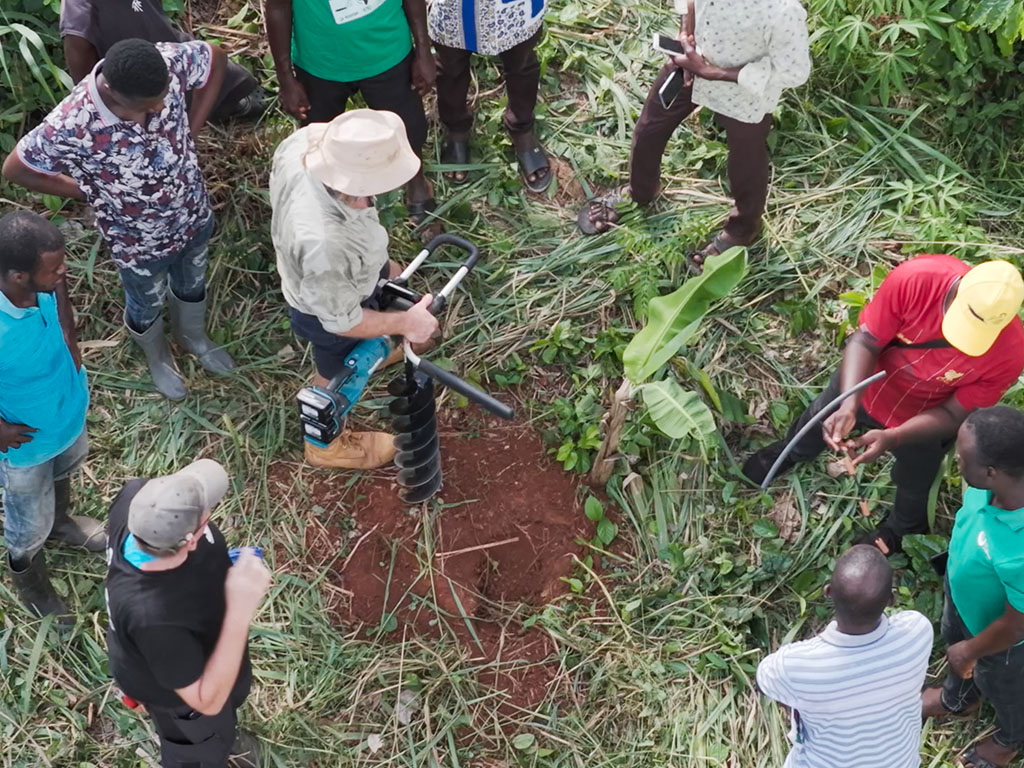
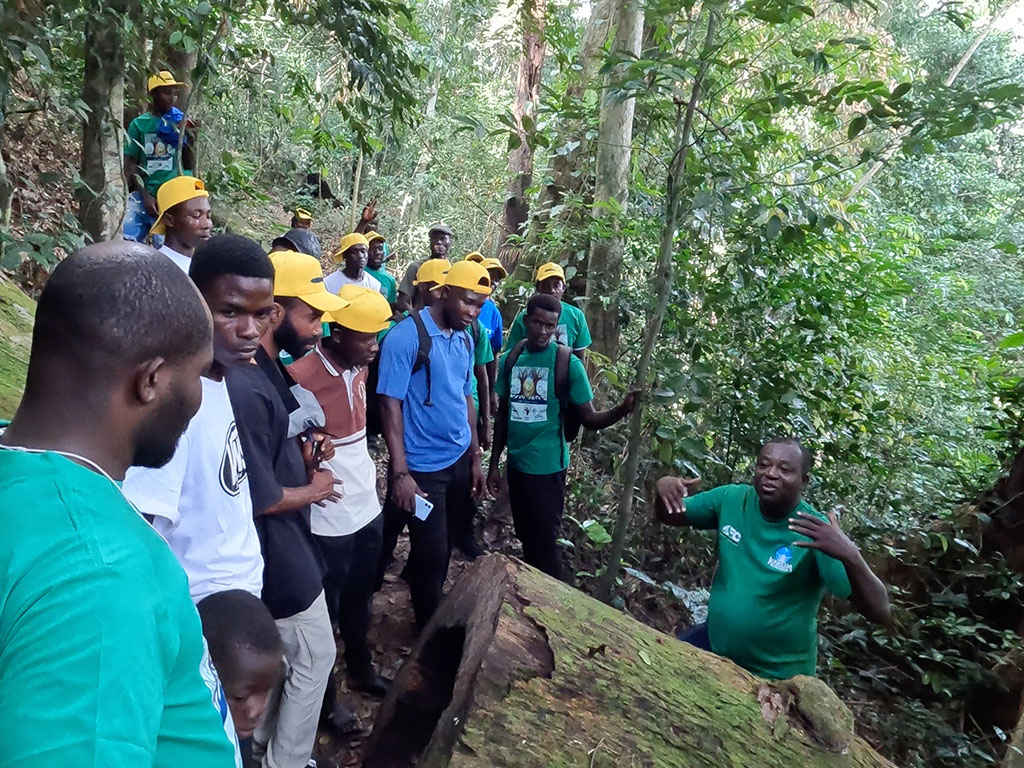
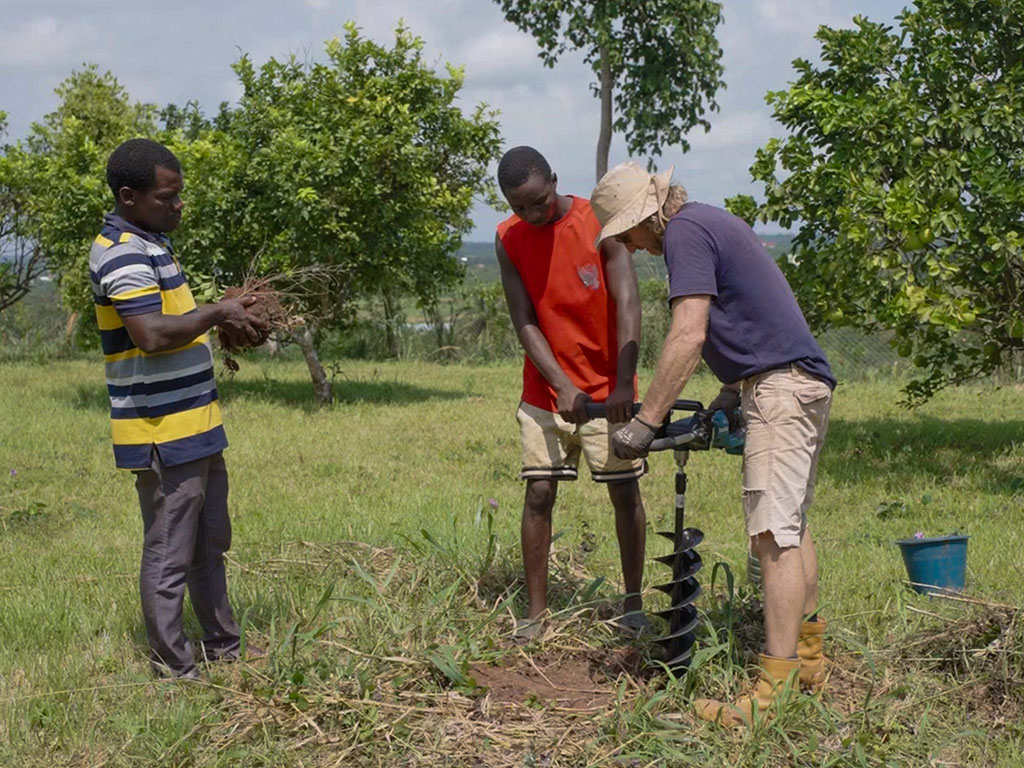
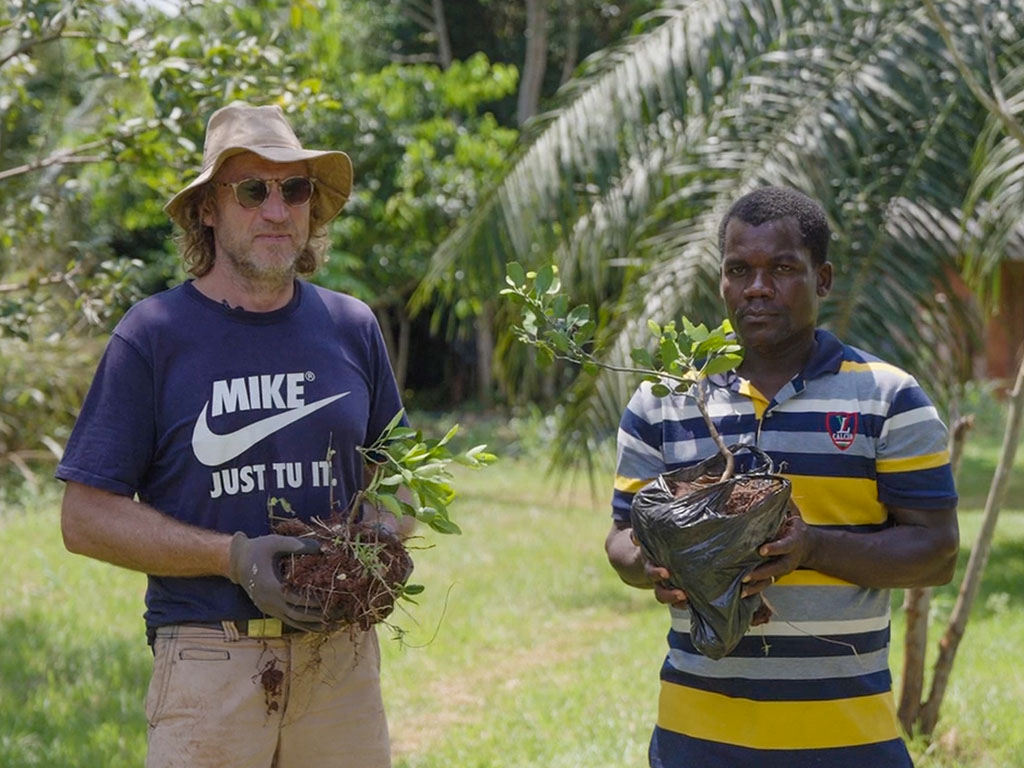
Impressions: Agroforst
Photos by Andreas Duerst (www.studio-301.de)
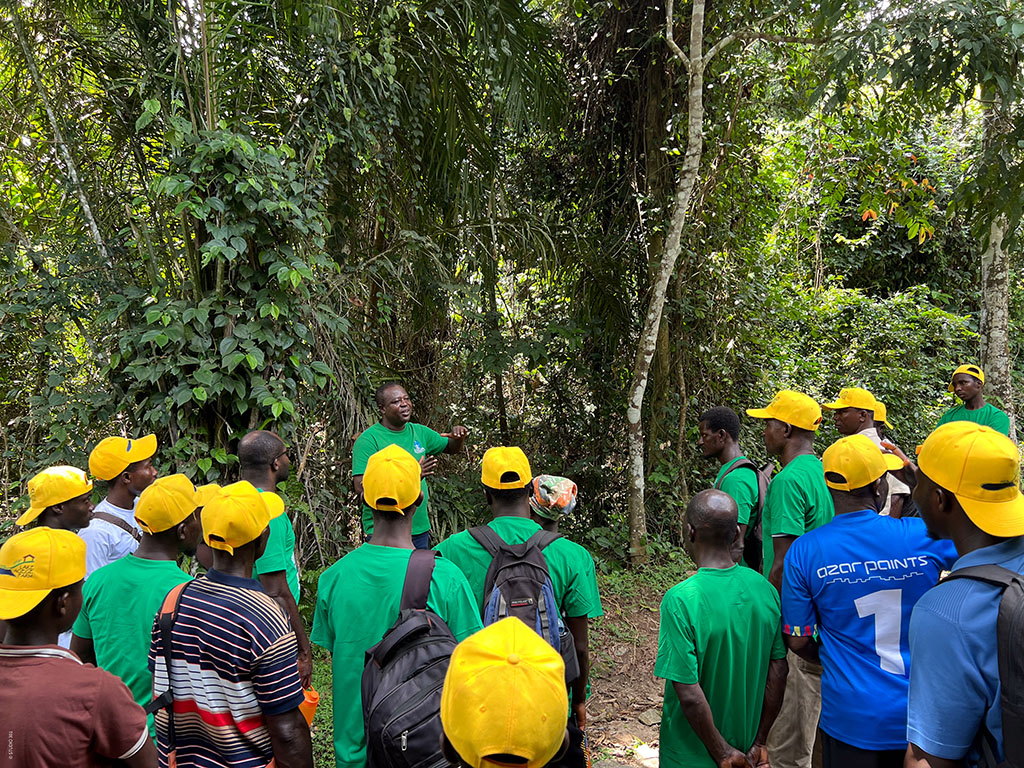
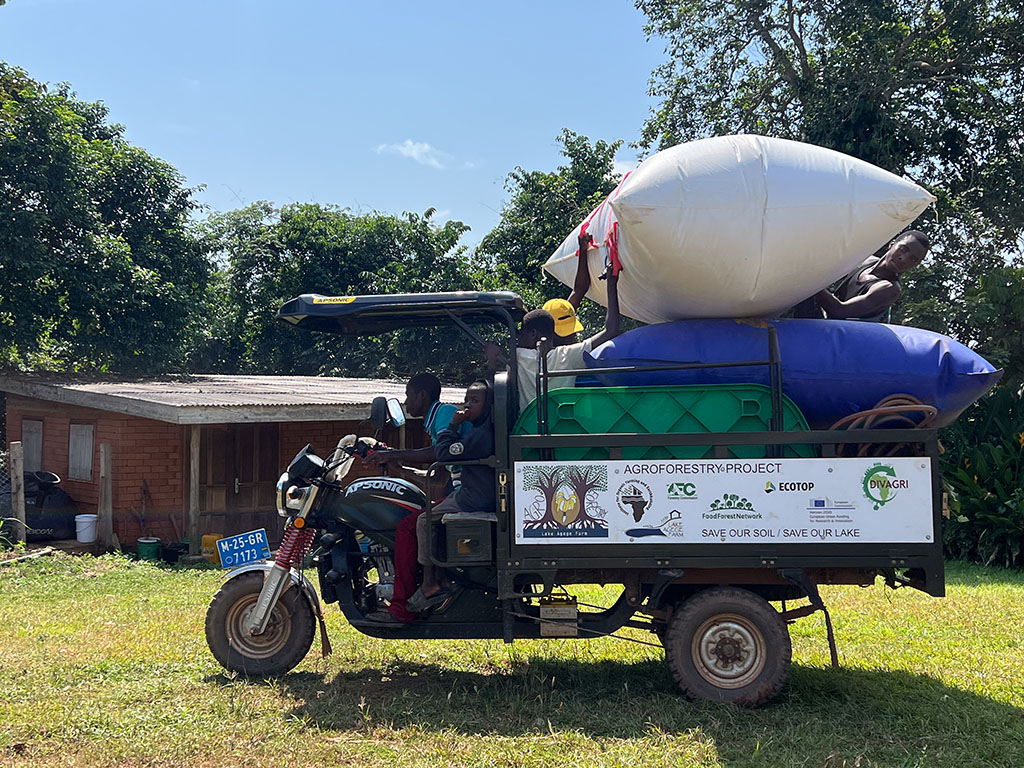
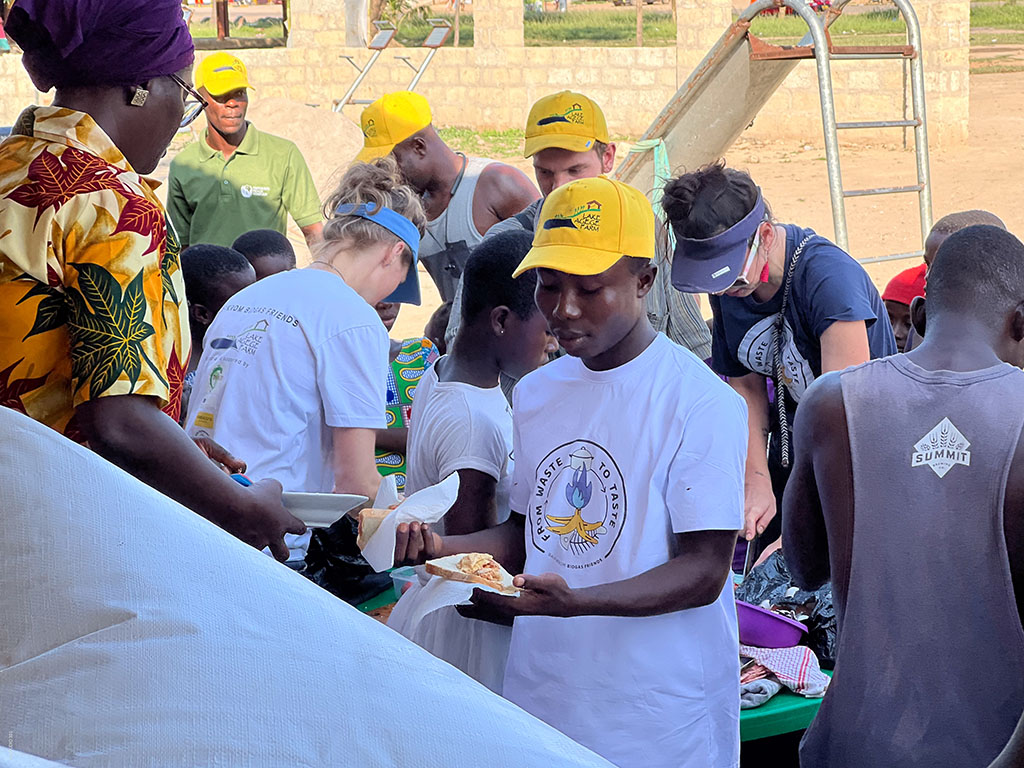
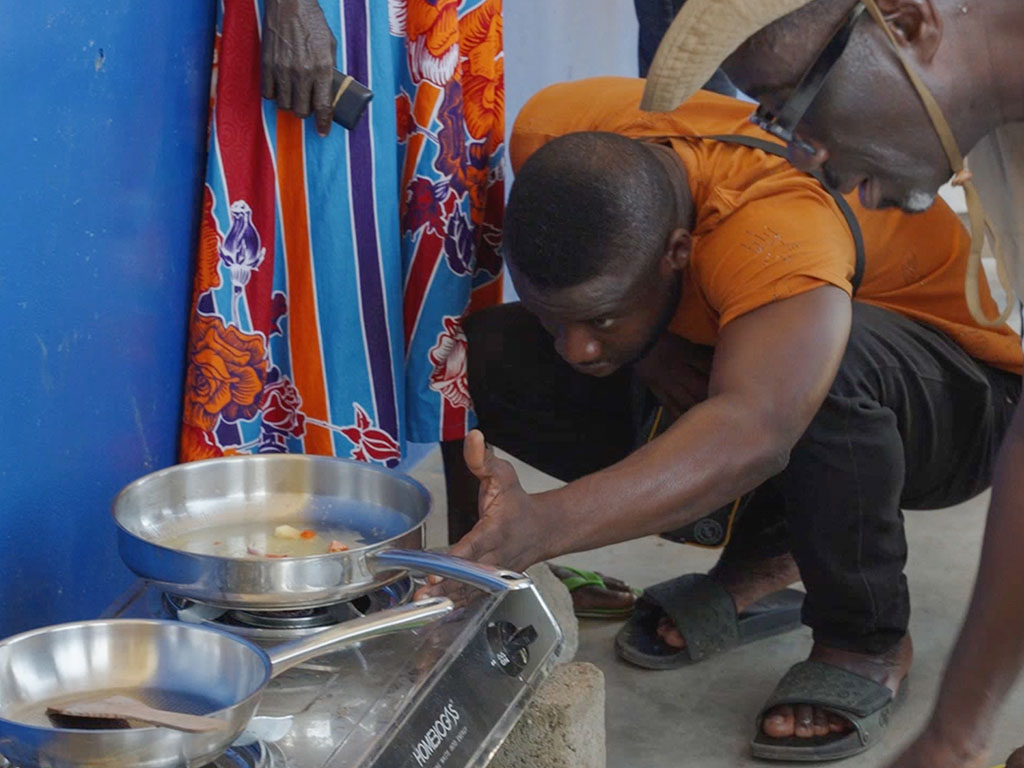
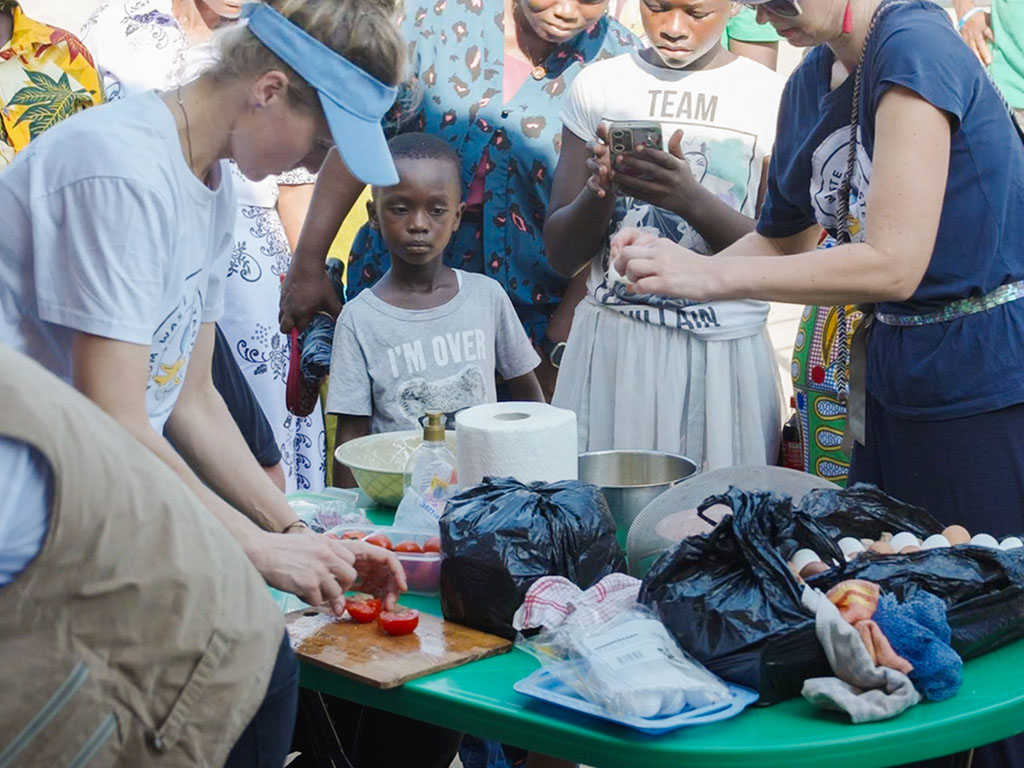
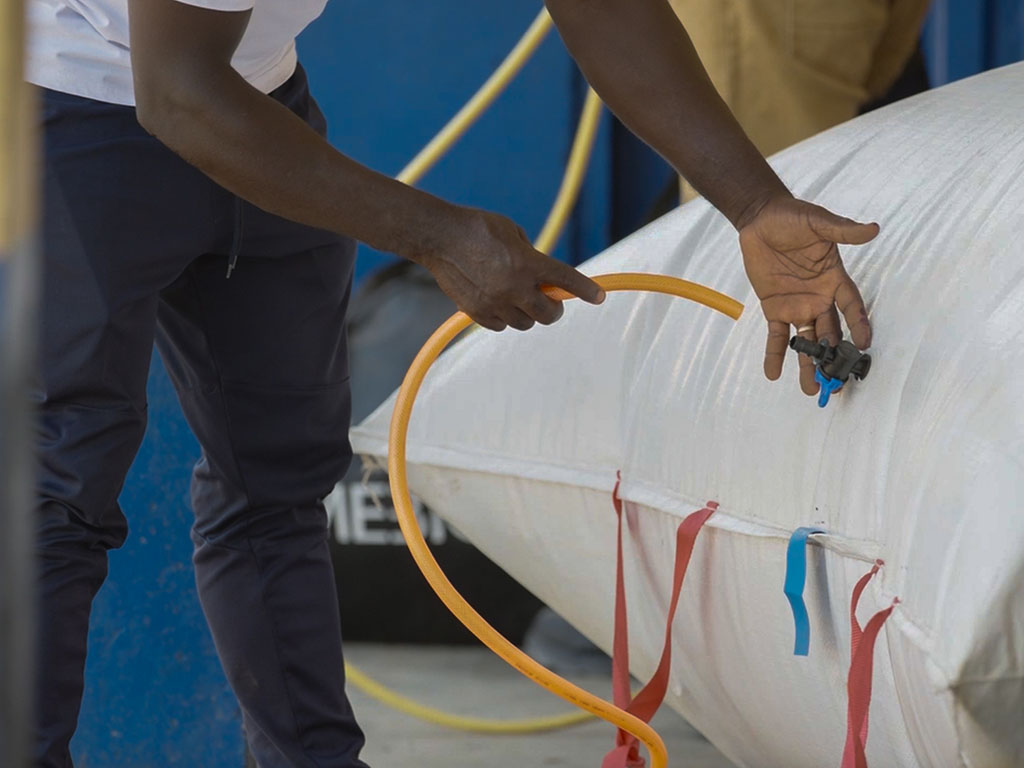
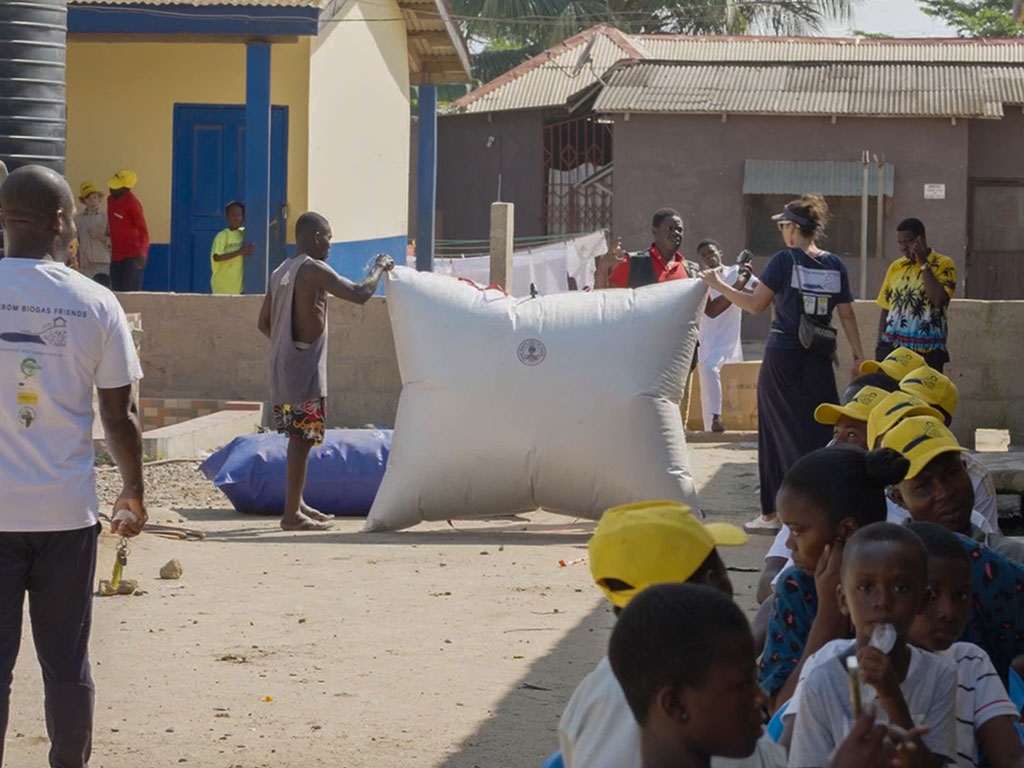
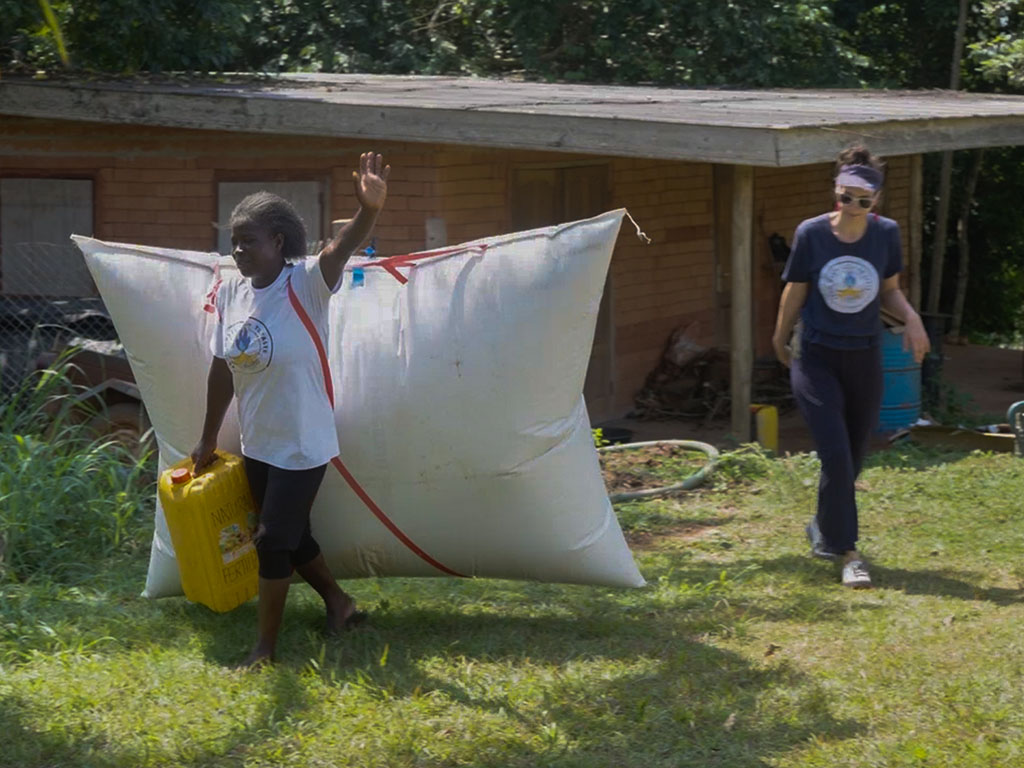
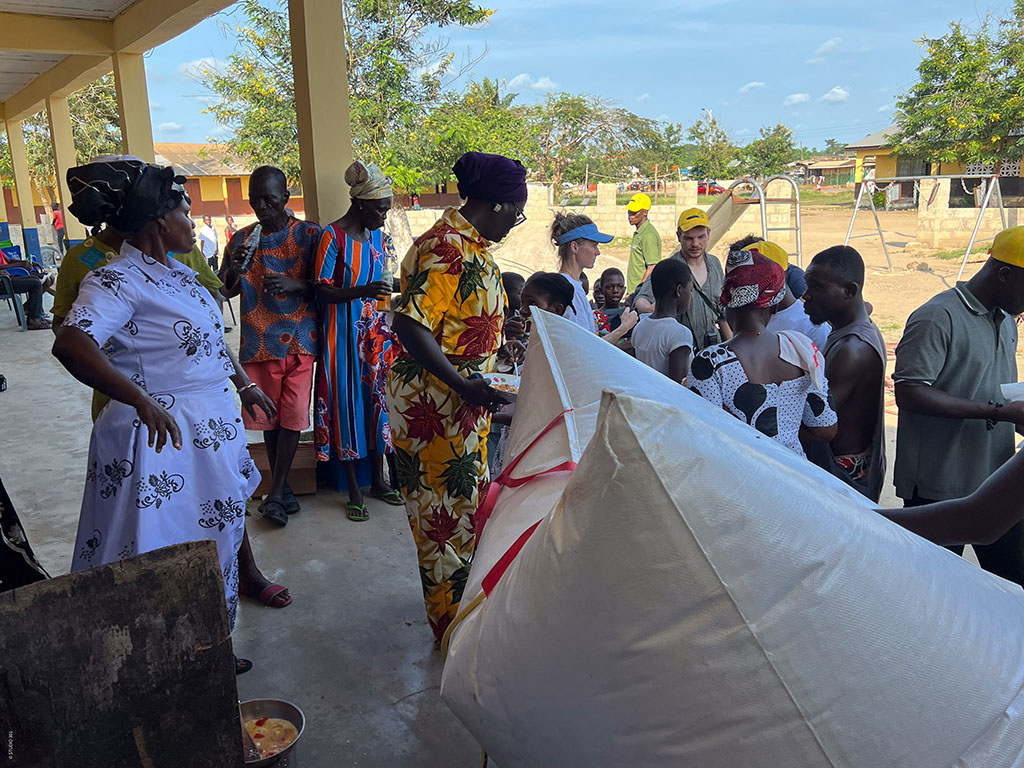
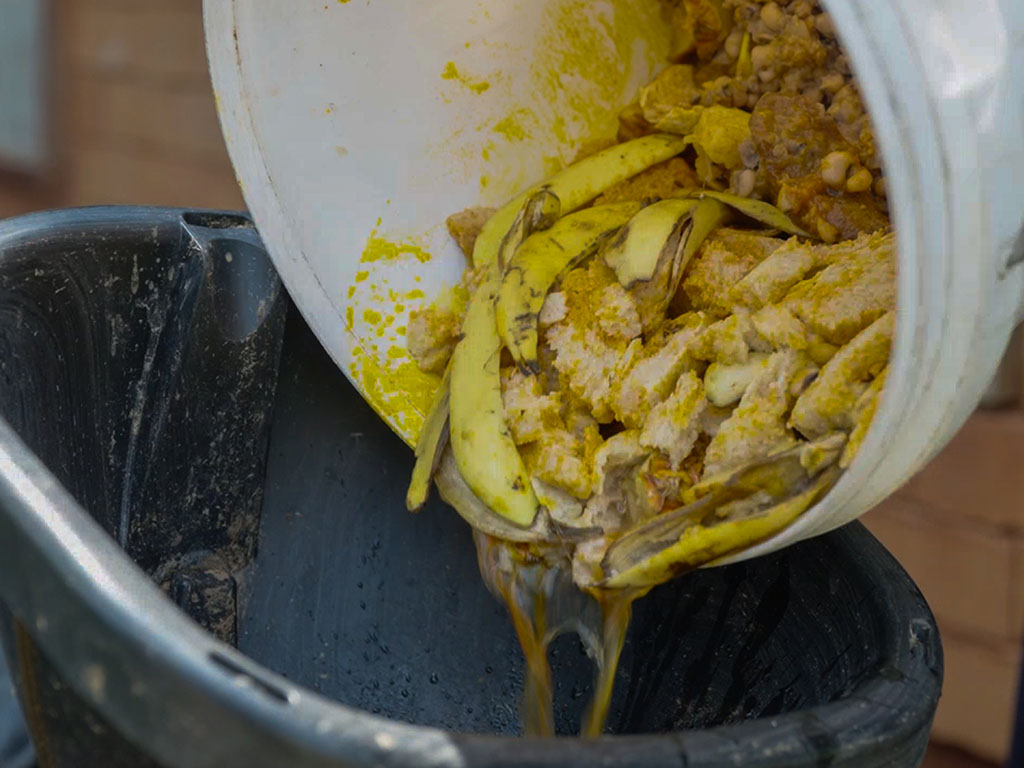
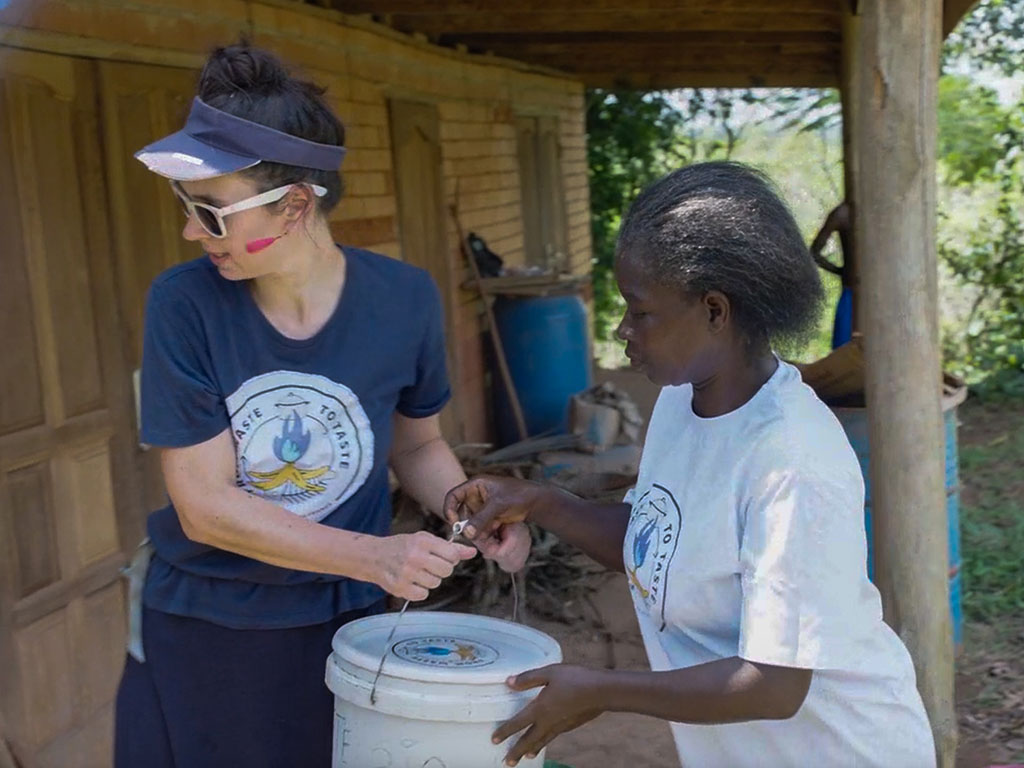
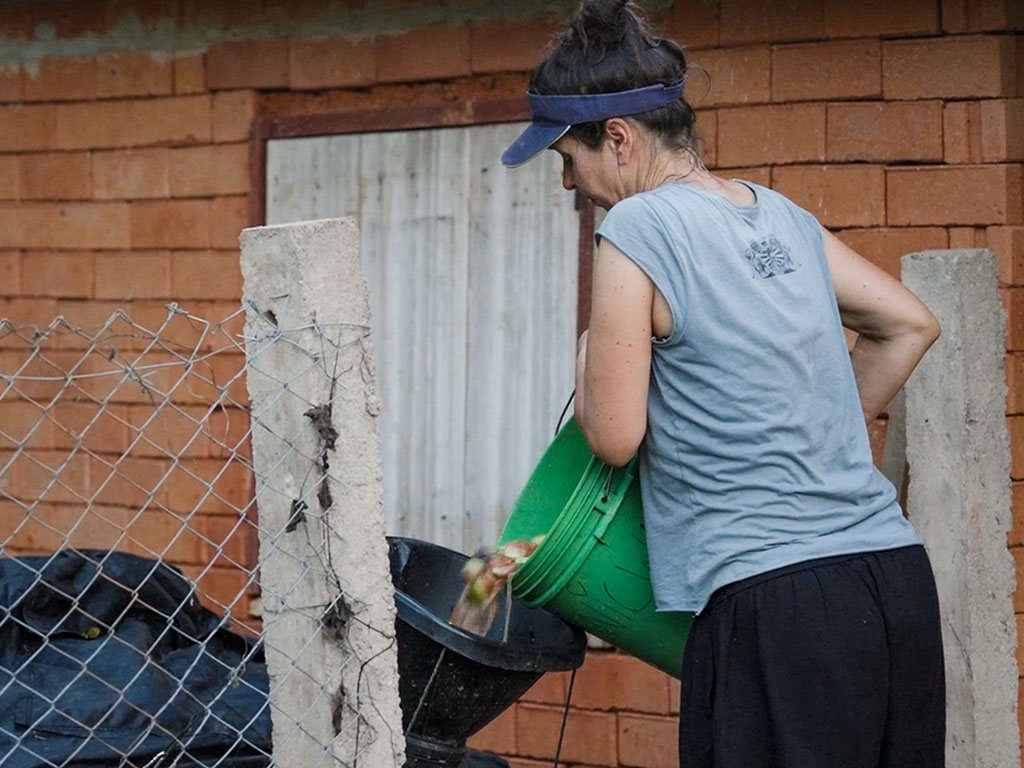
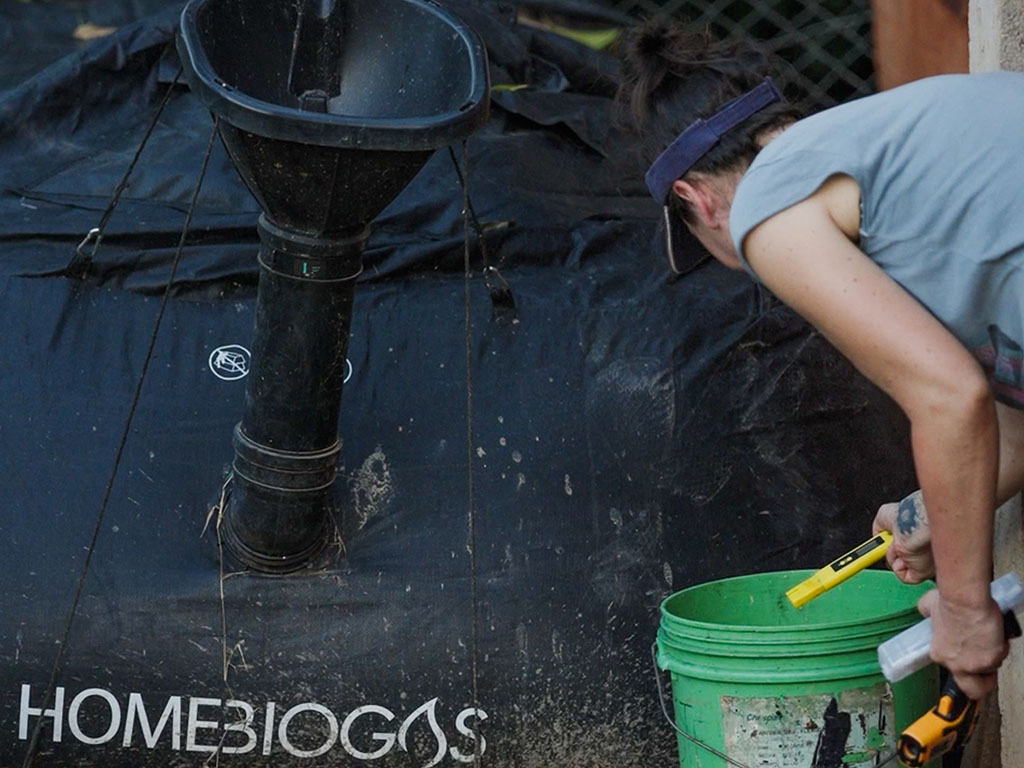
Impressions: Biogas
Photos by Andreas Duerst (www.studio-301.de)
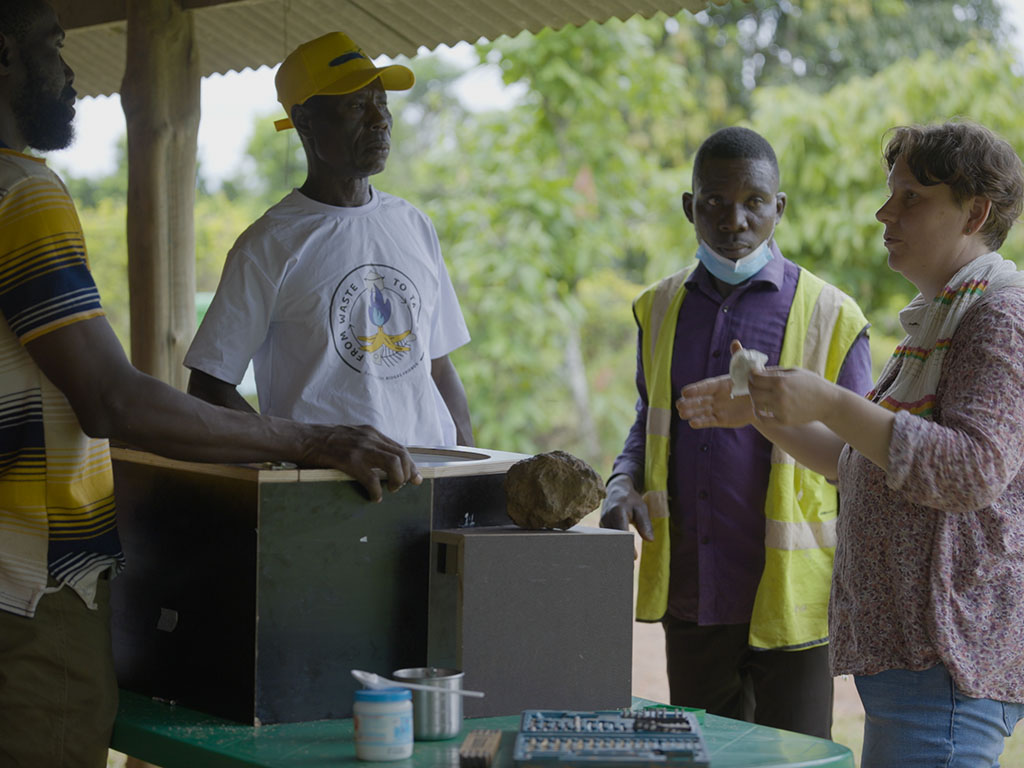
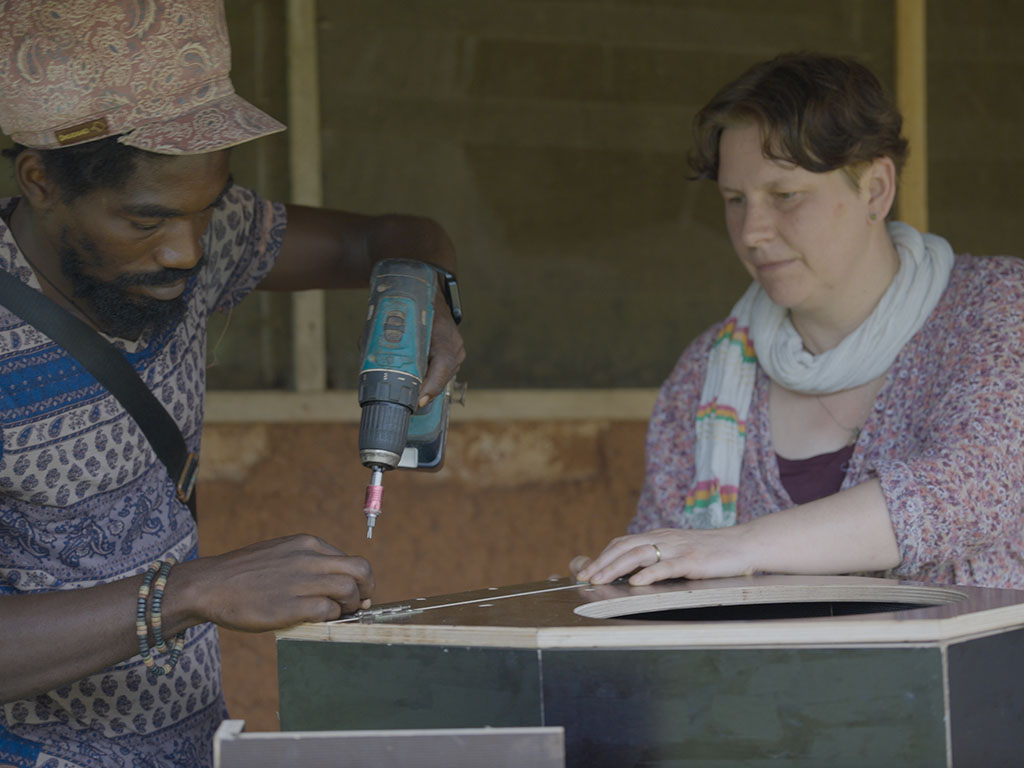
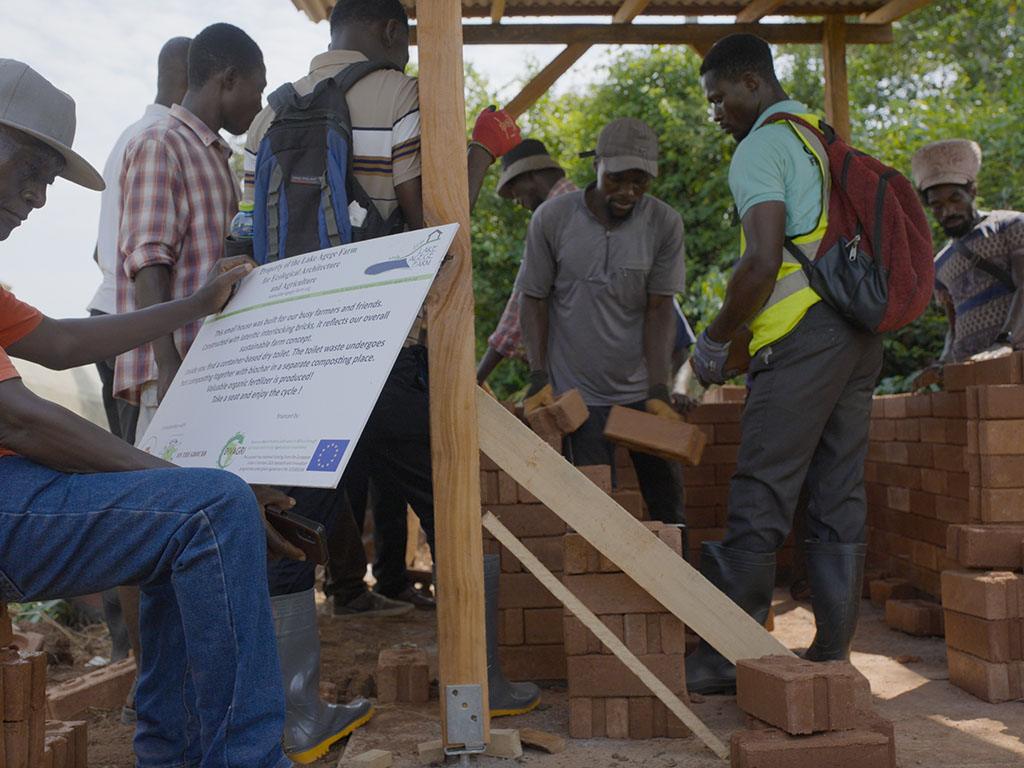
Impressions: Biochar toilet
Photos by Andreas Duerst (www.studio-301.de)
Impressions: Sleci Irrigation
Photos by Andreas Duerst (www.studio-301.de)
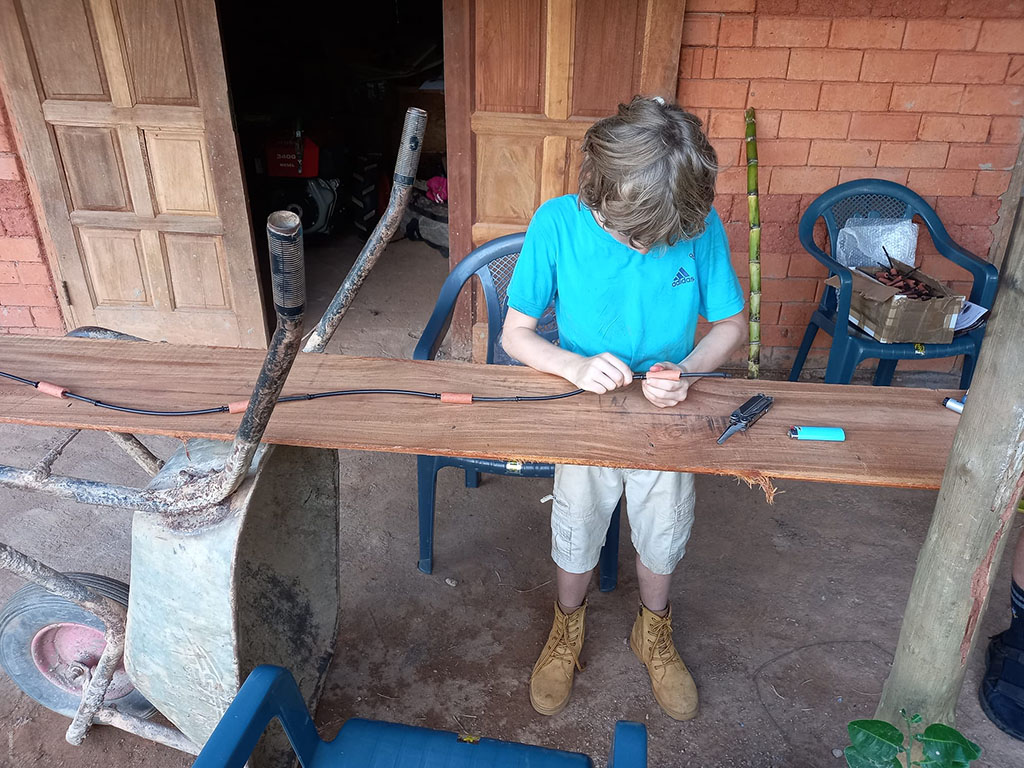
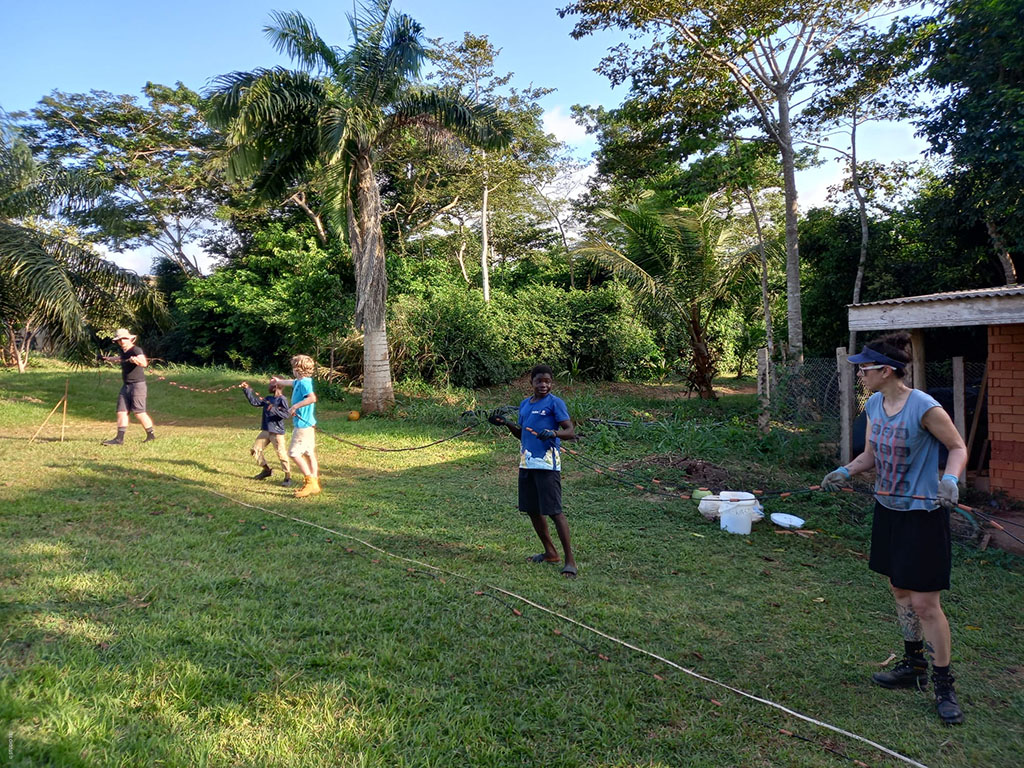
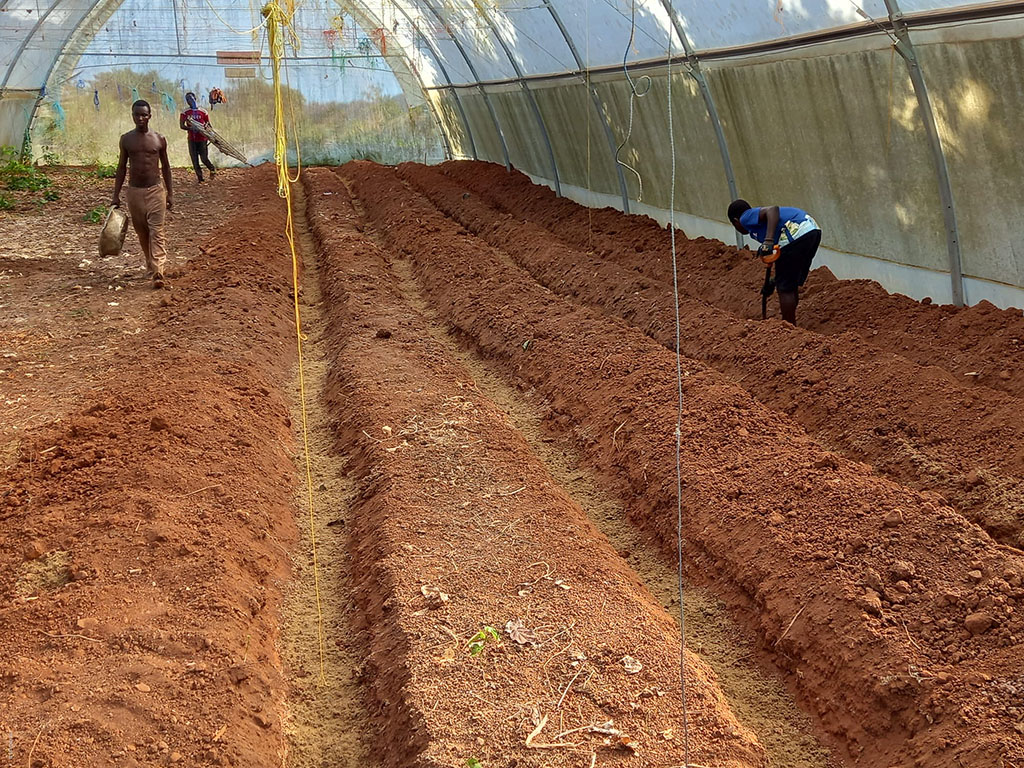
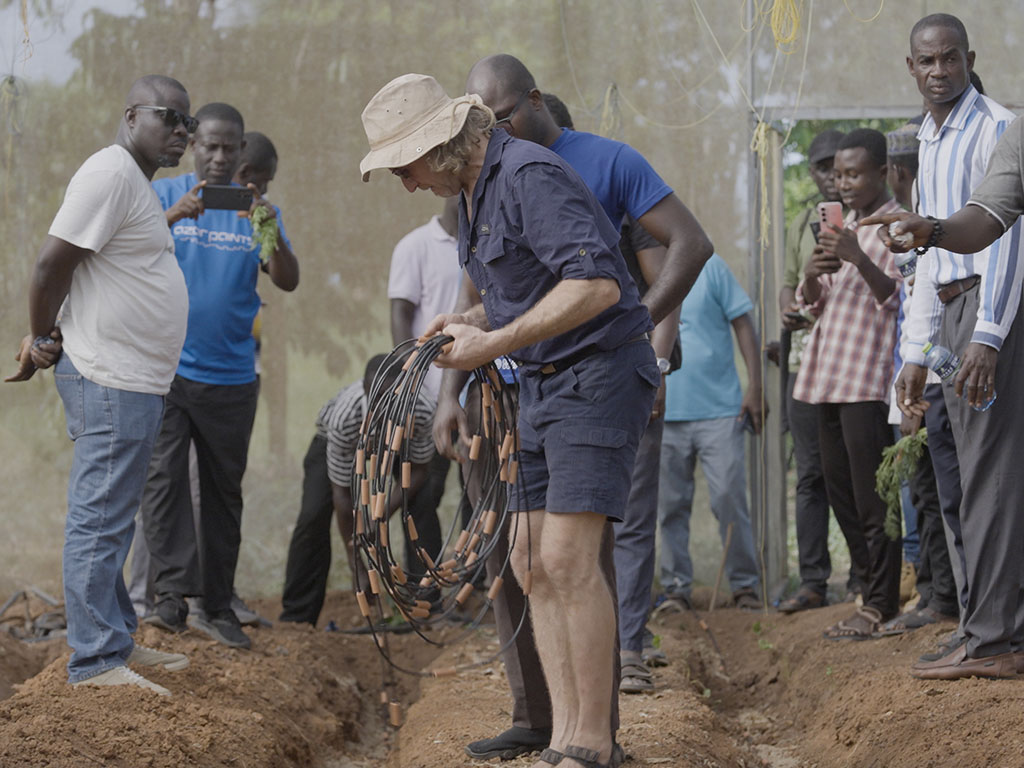
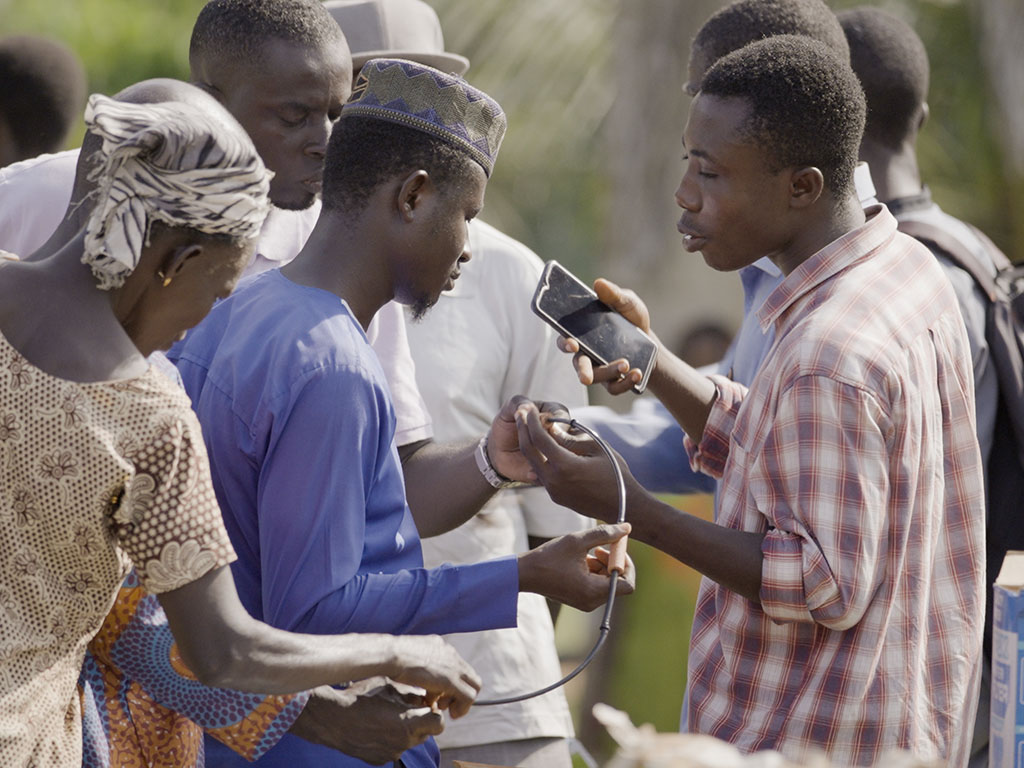
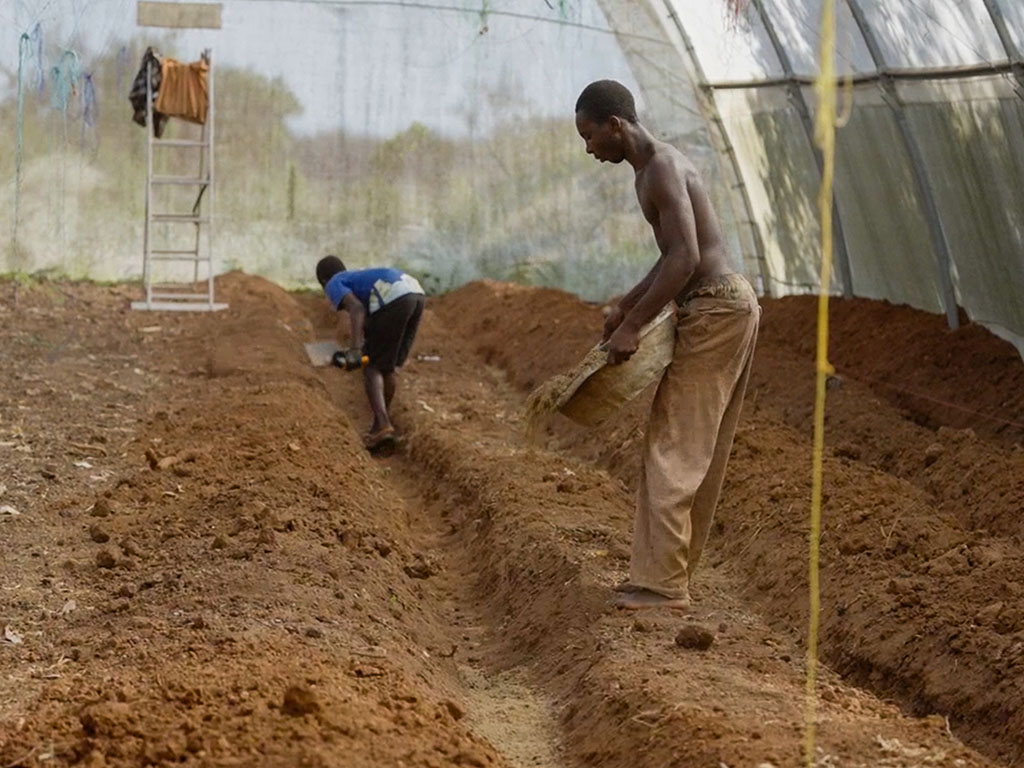
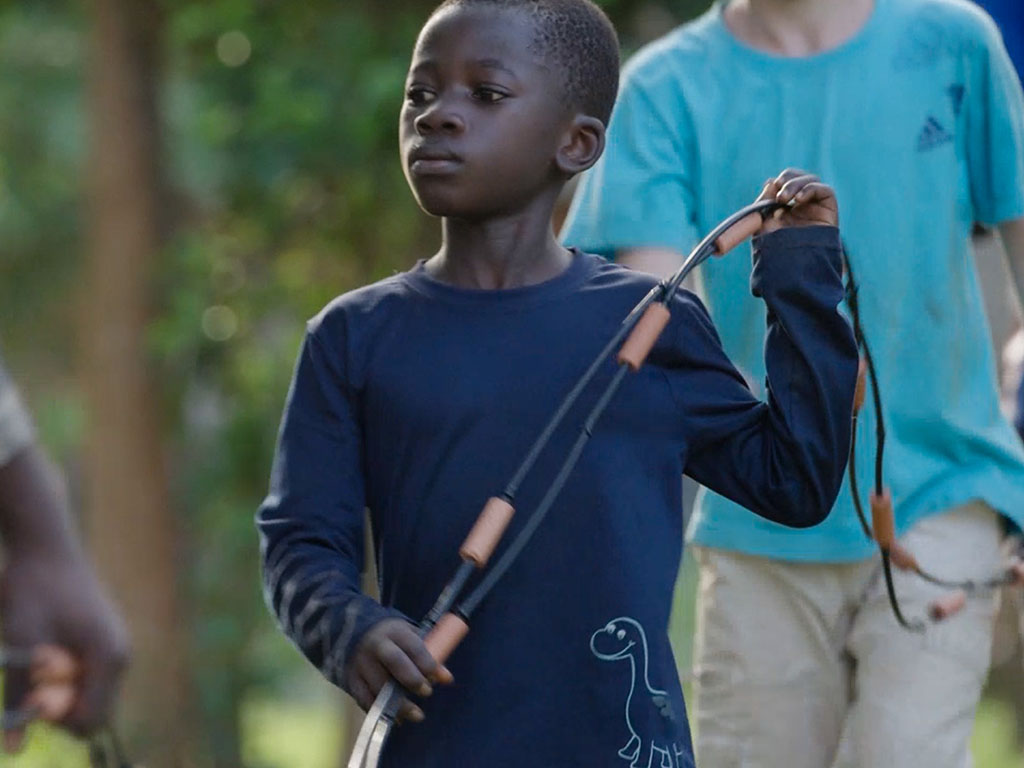
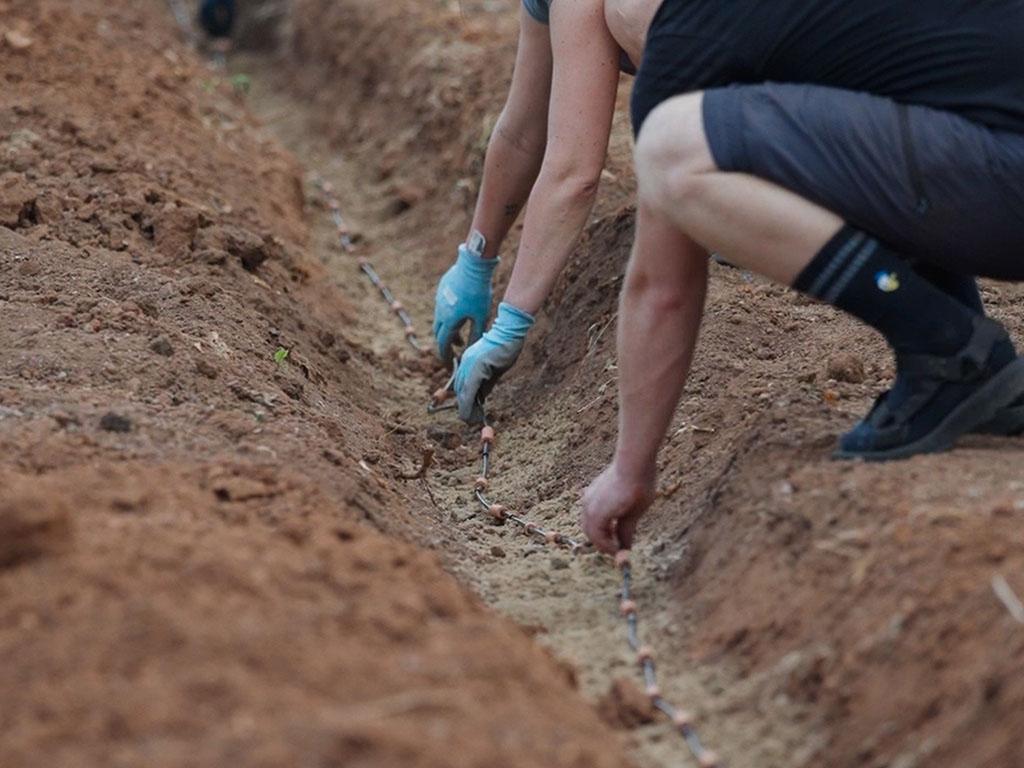
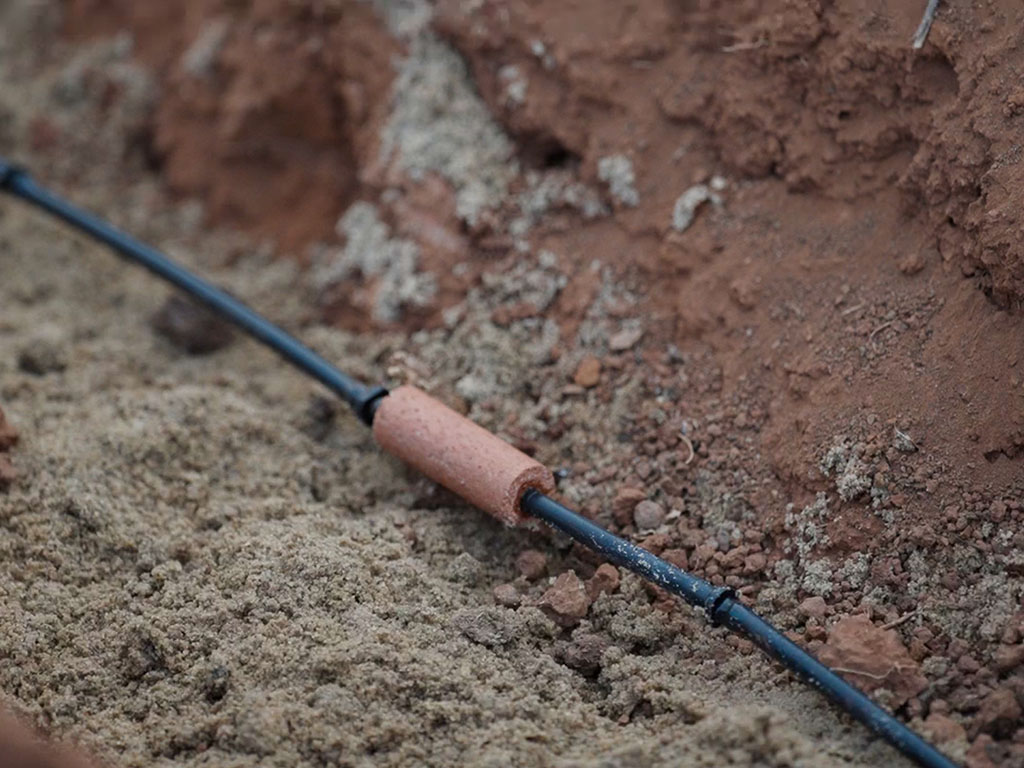
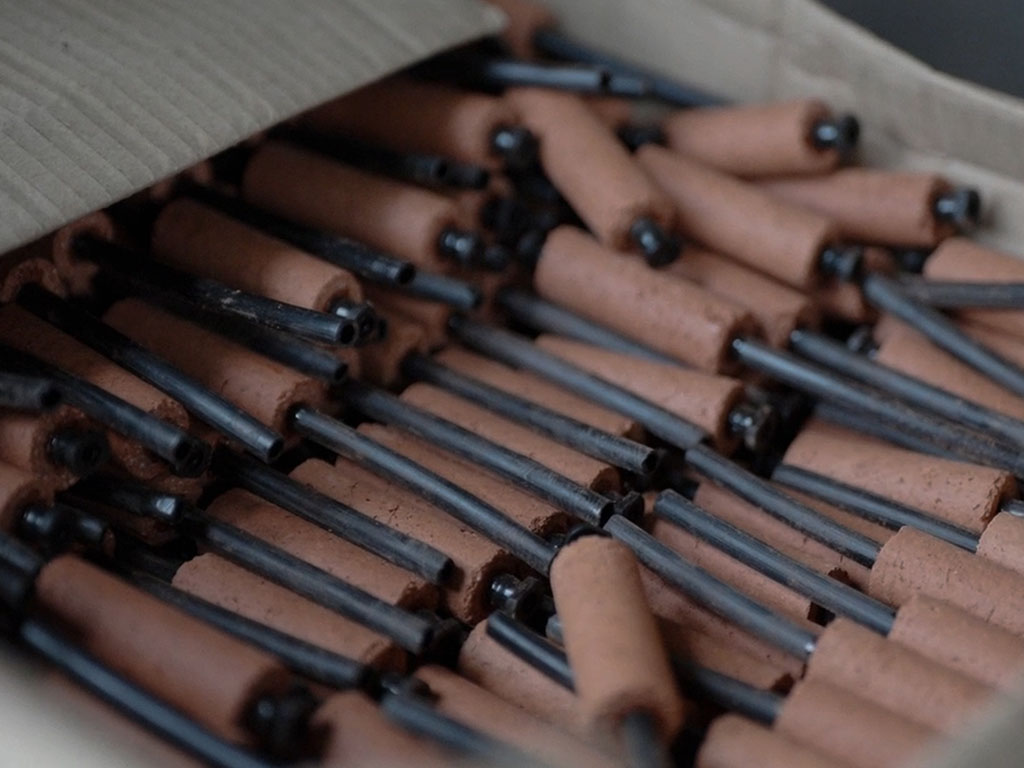
Impressions: Greenhouse cooling
Photos by Andreas Duerst (www.studio-301.de)
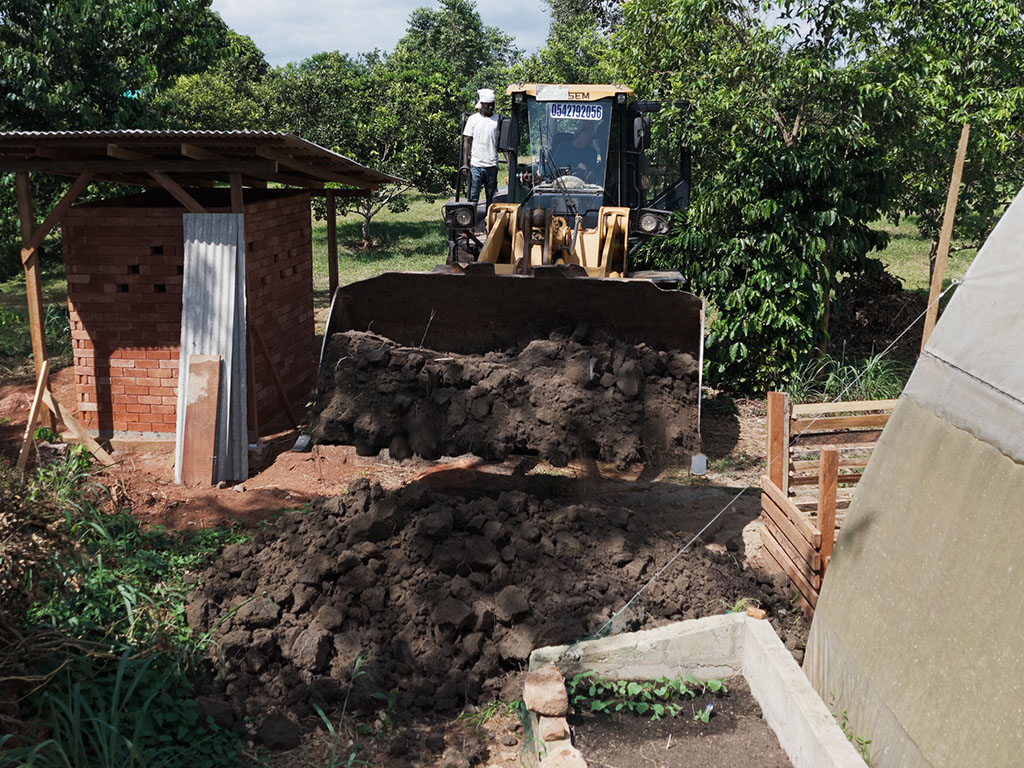
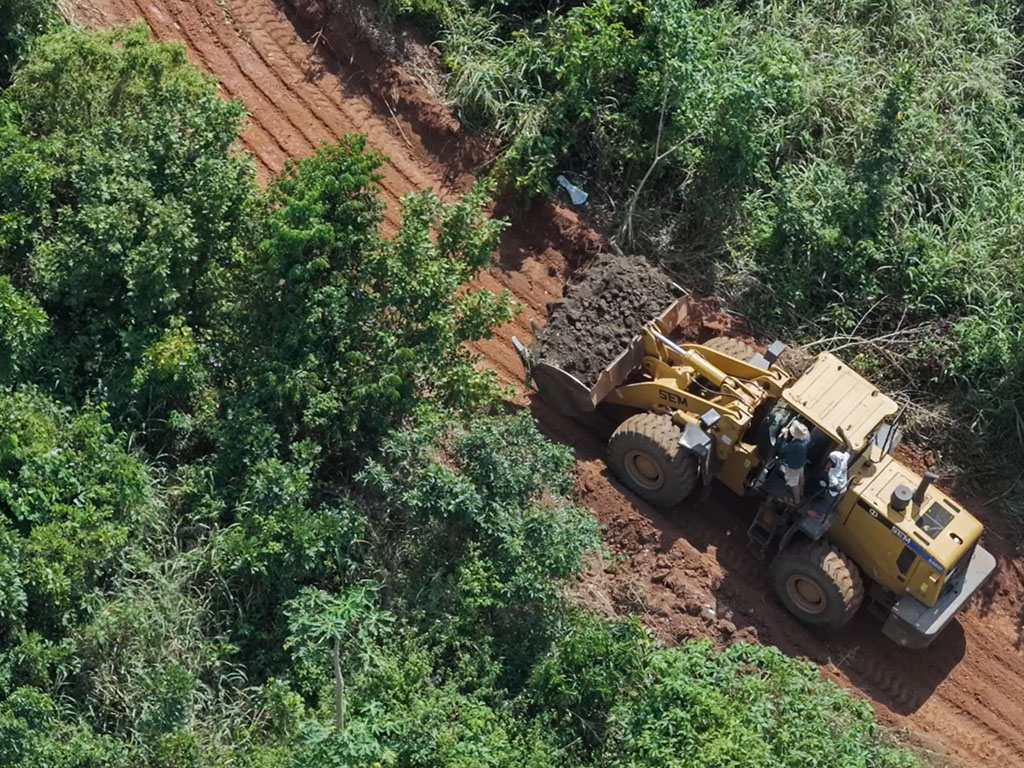
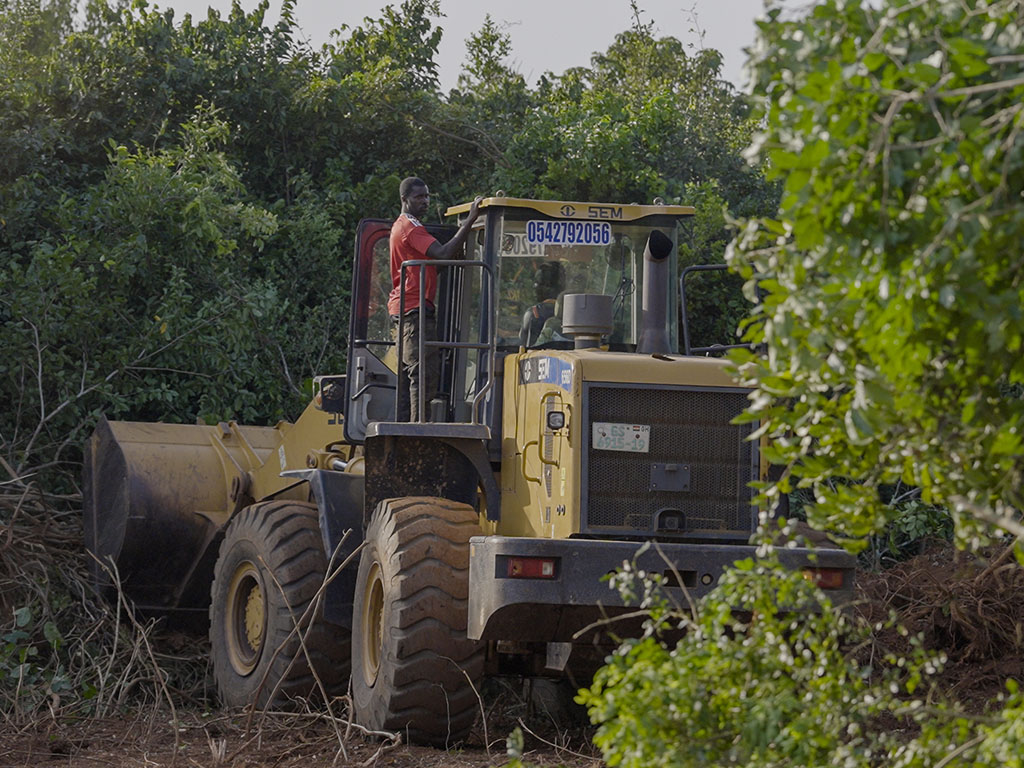
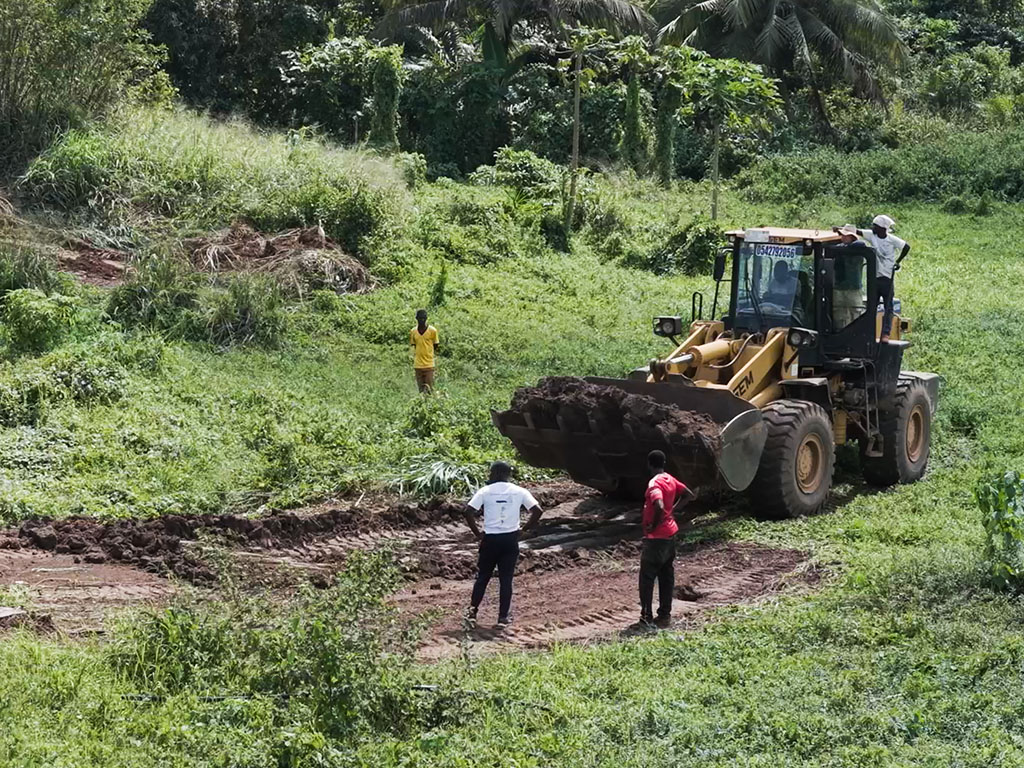
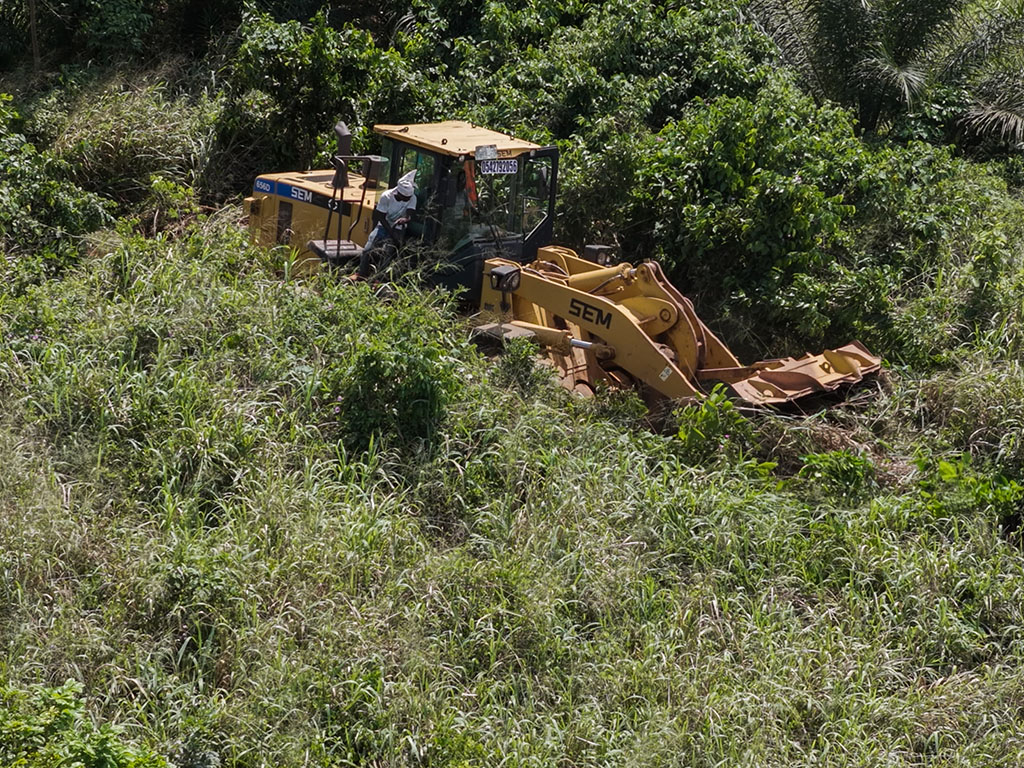
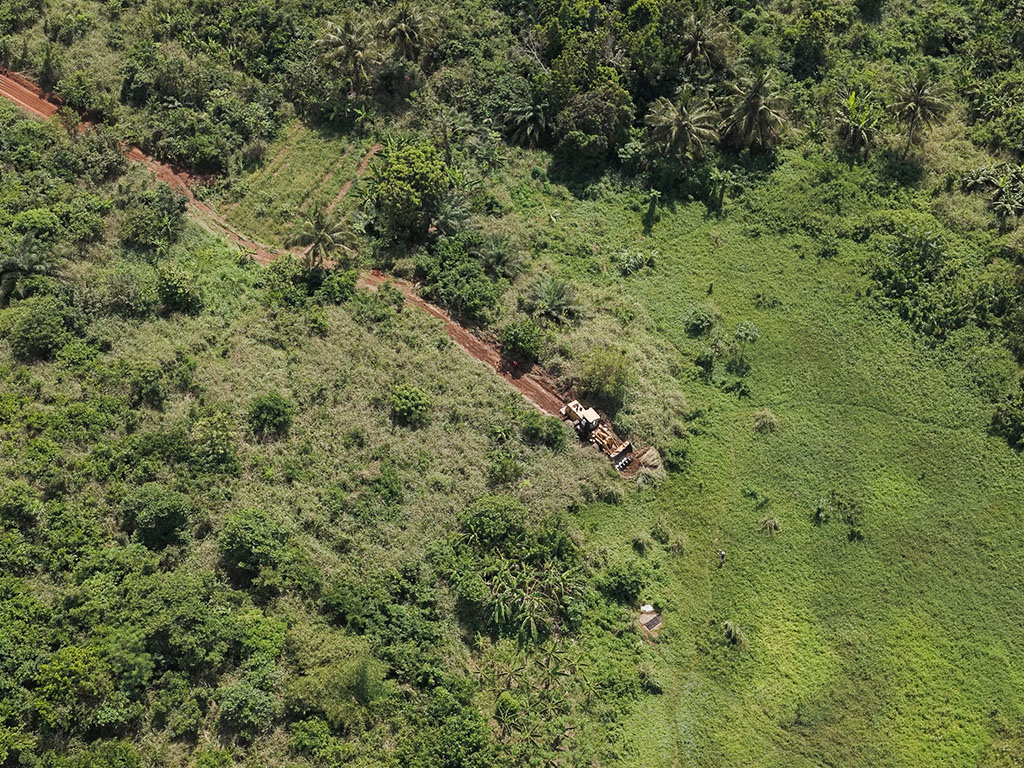
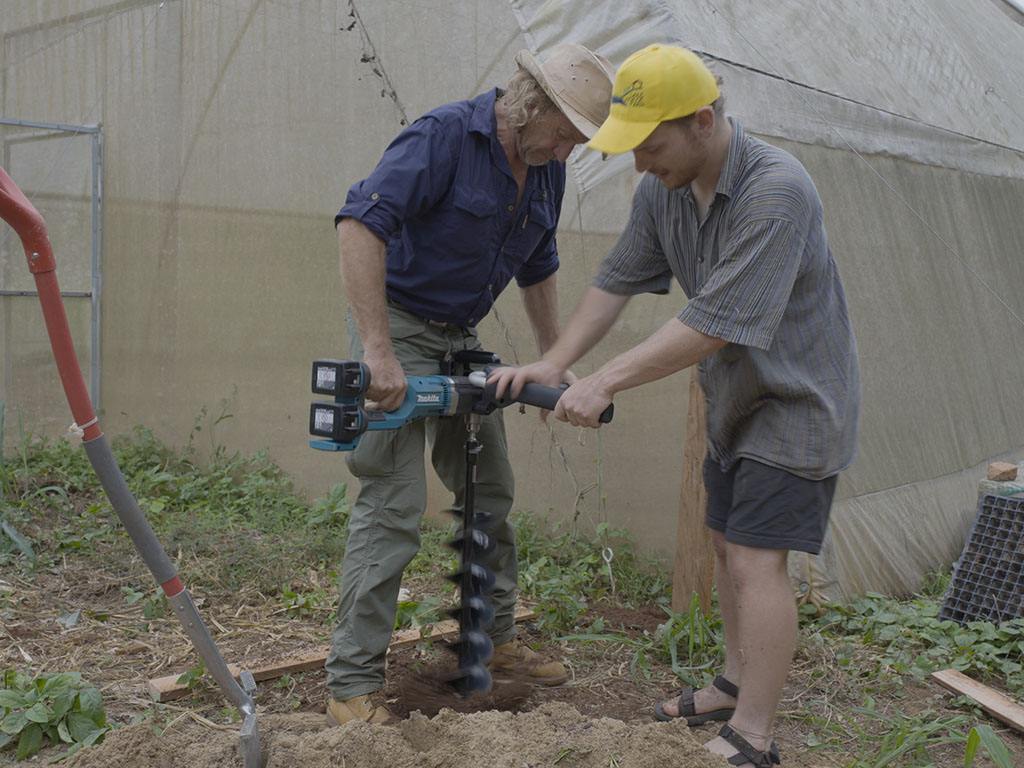
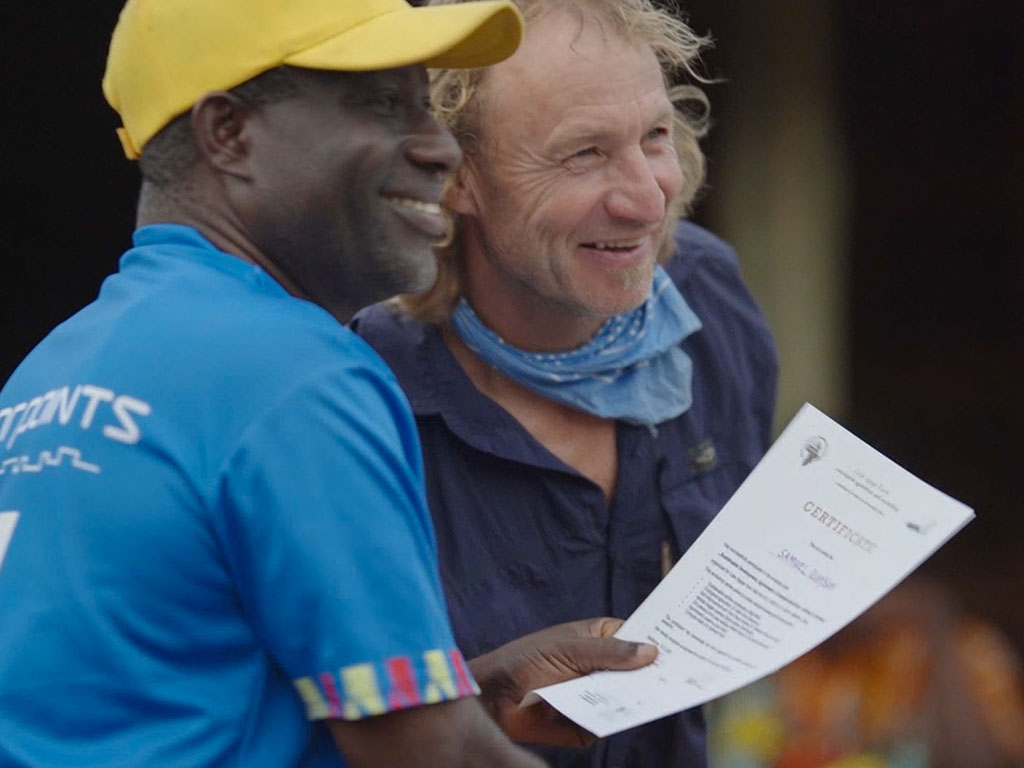
Impressions: Certificates
Photos by Andreas Duerst (www.studio-301.de)
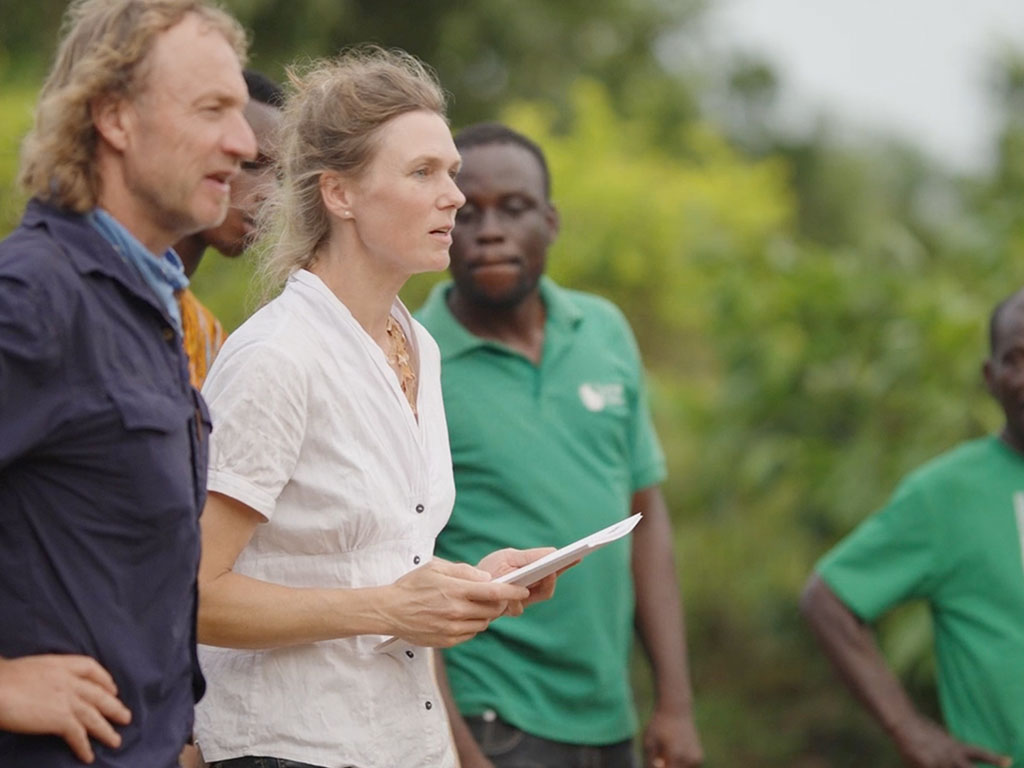
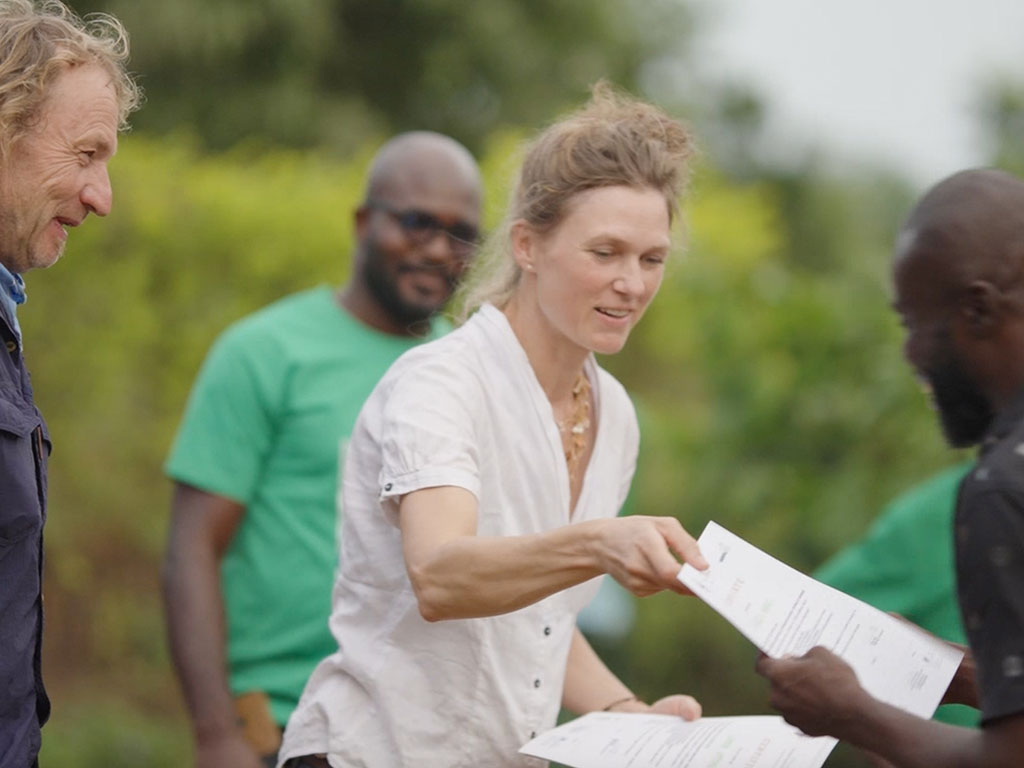
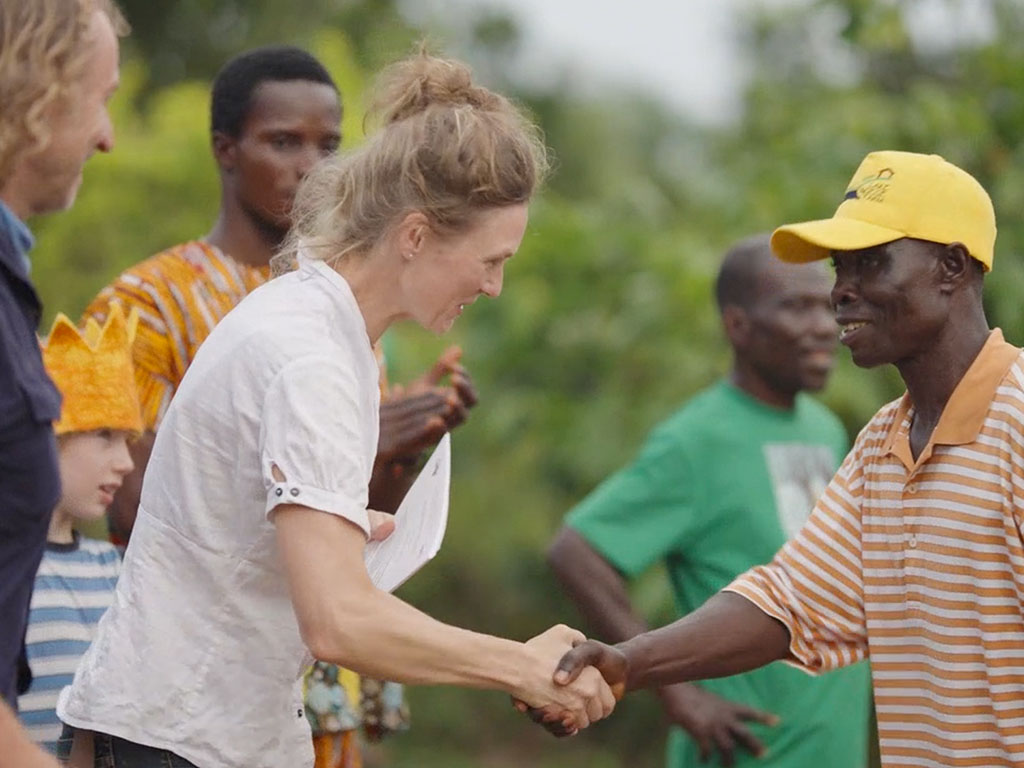
Impressions: Organic oils
Photos by Andreas Duerst (www.studio-301.de)
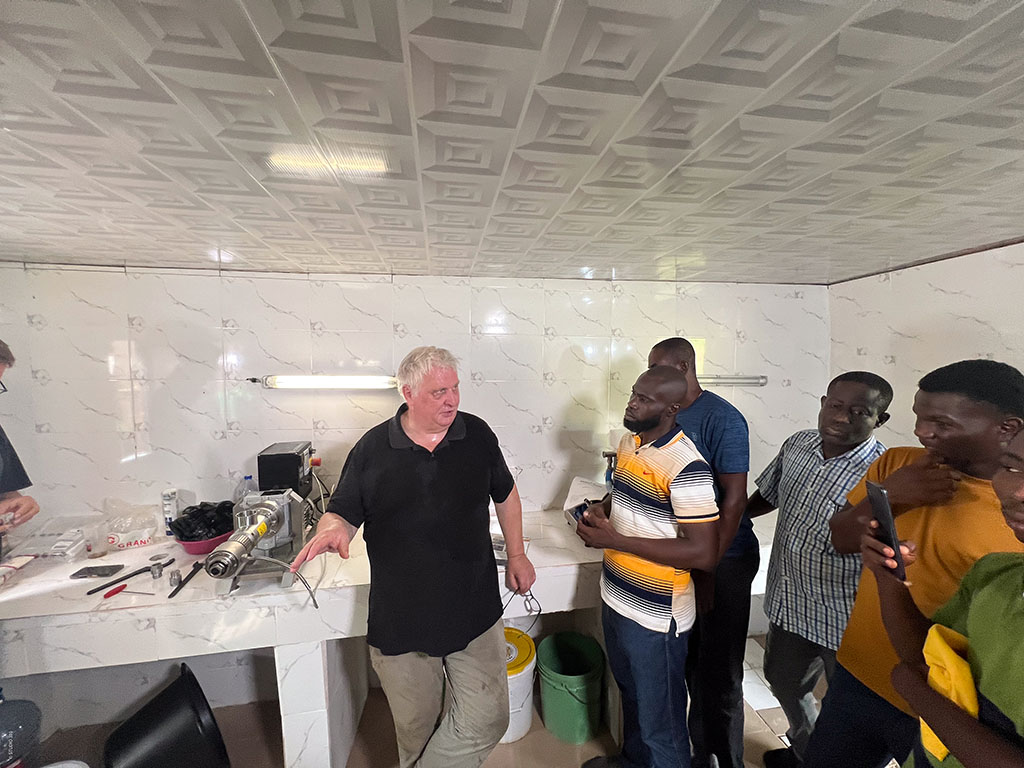
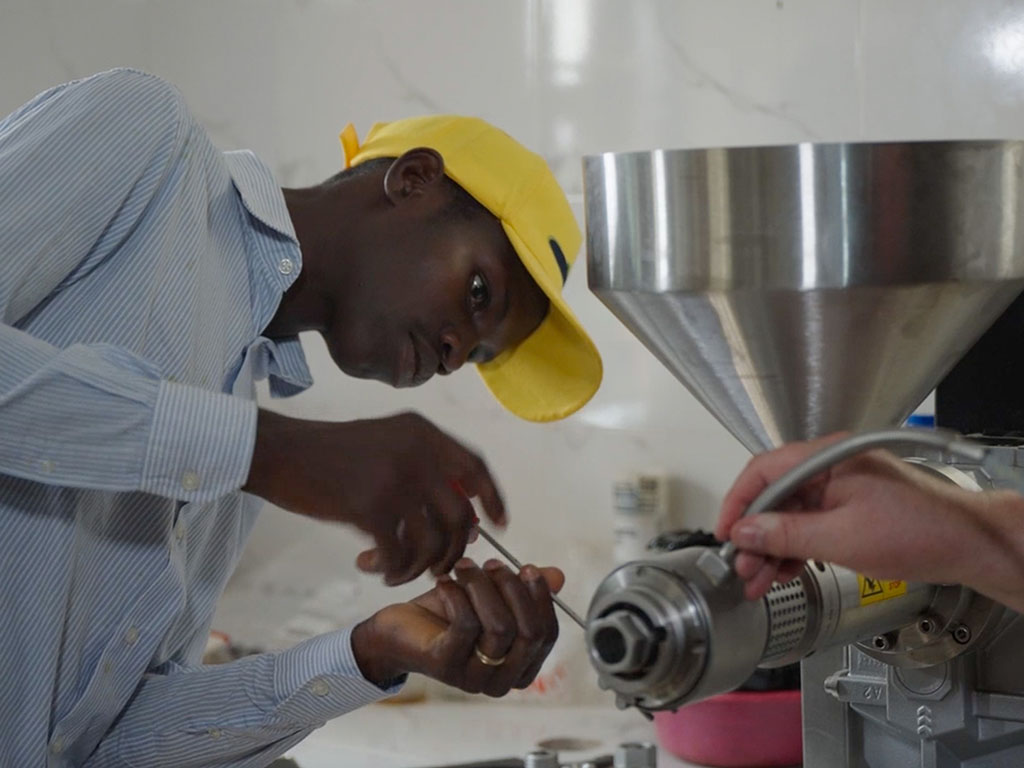
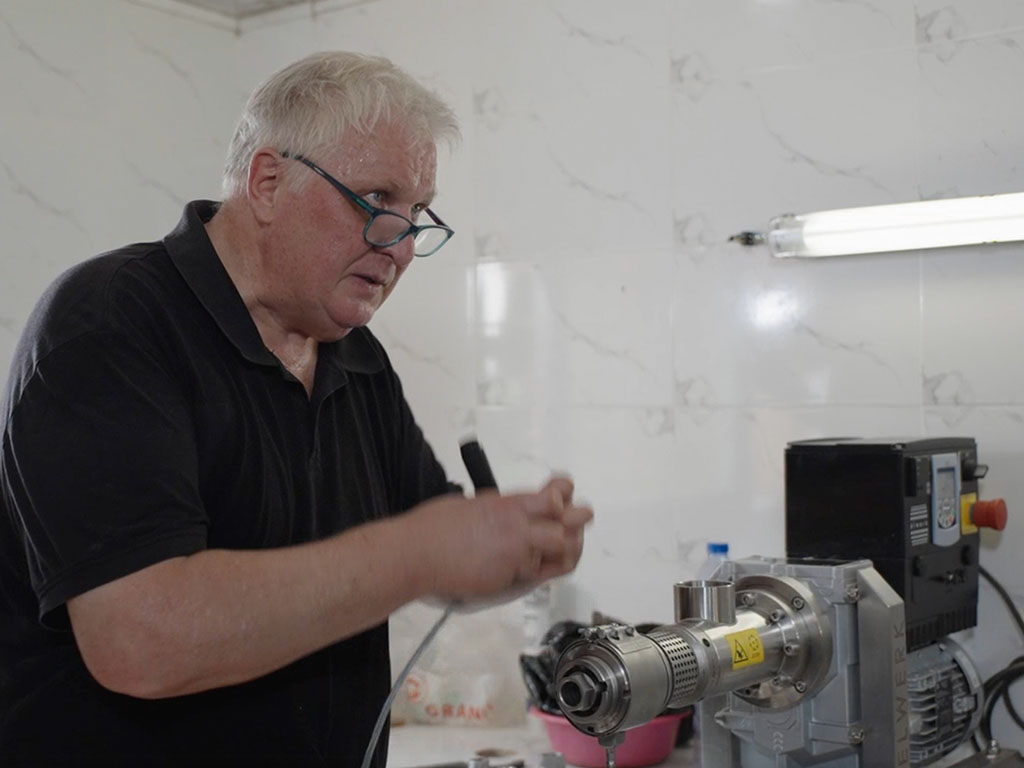
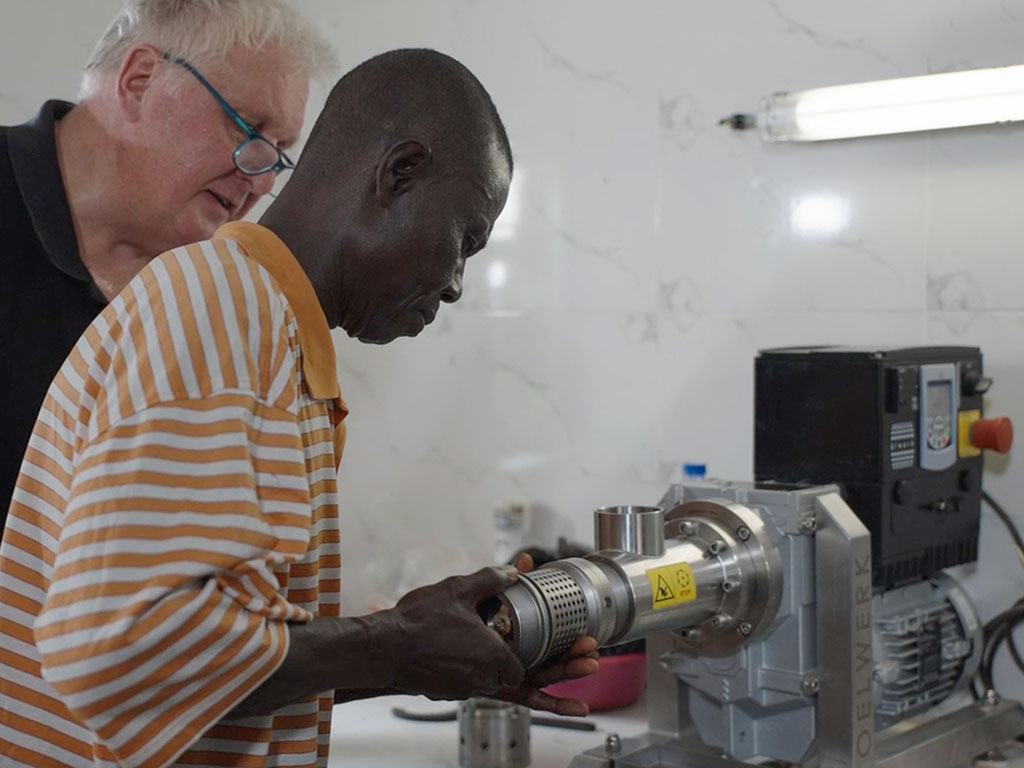
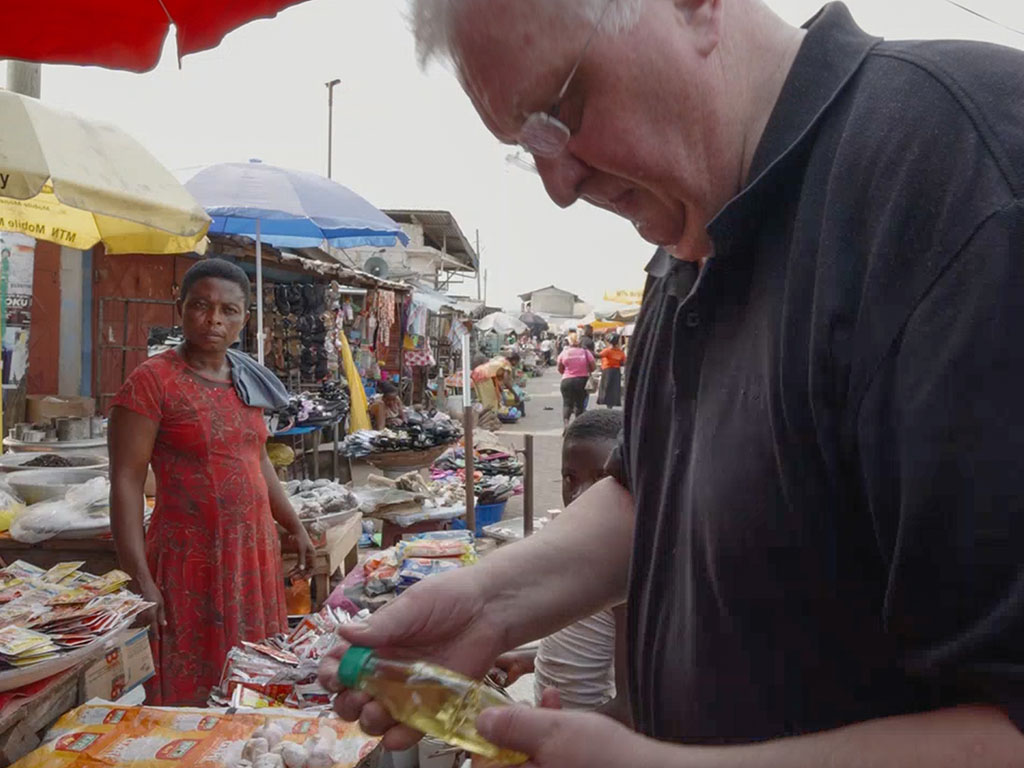
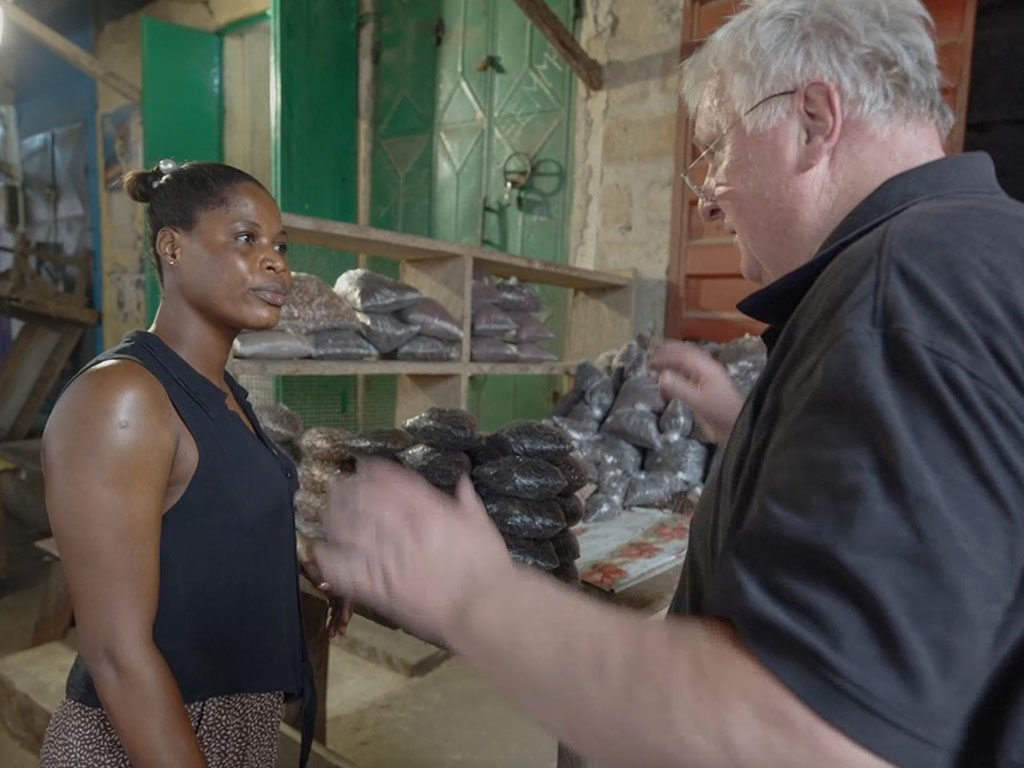
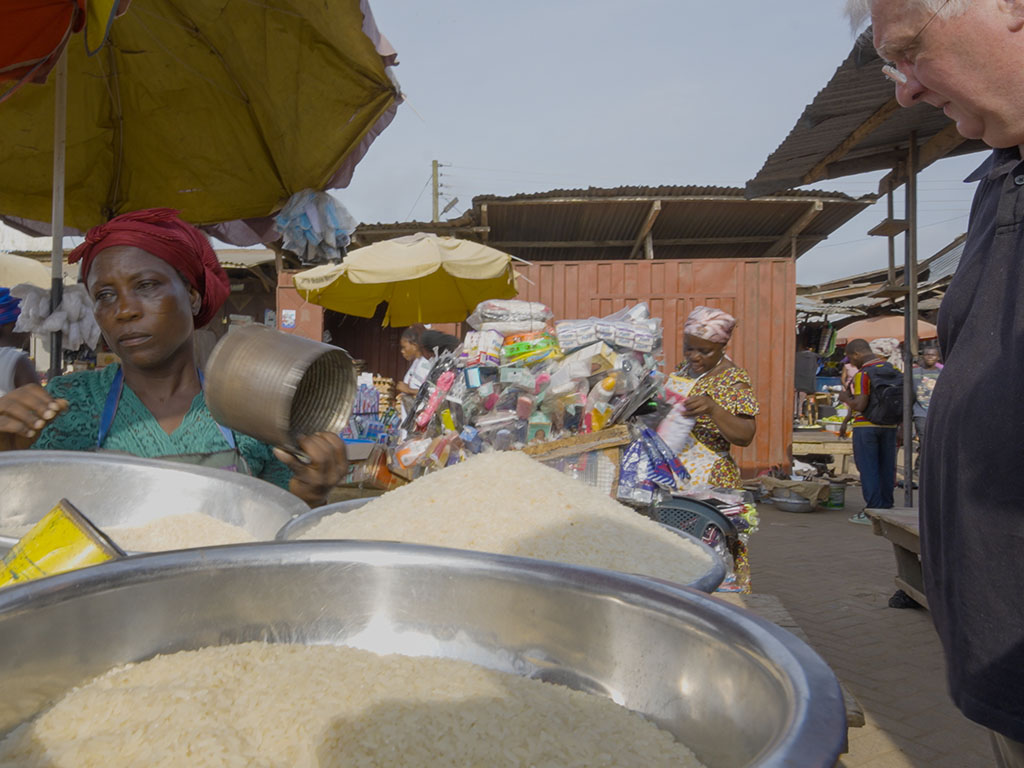
Impressions: Intercropping
Photos by Andreas Duerst (www.studio-301.de)
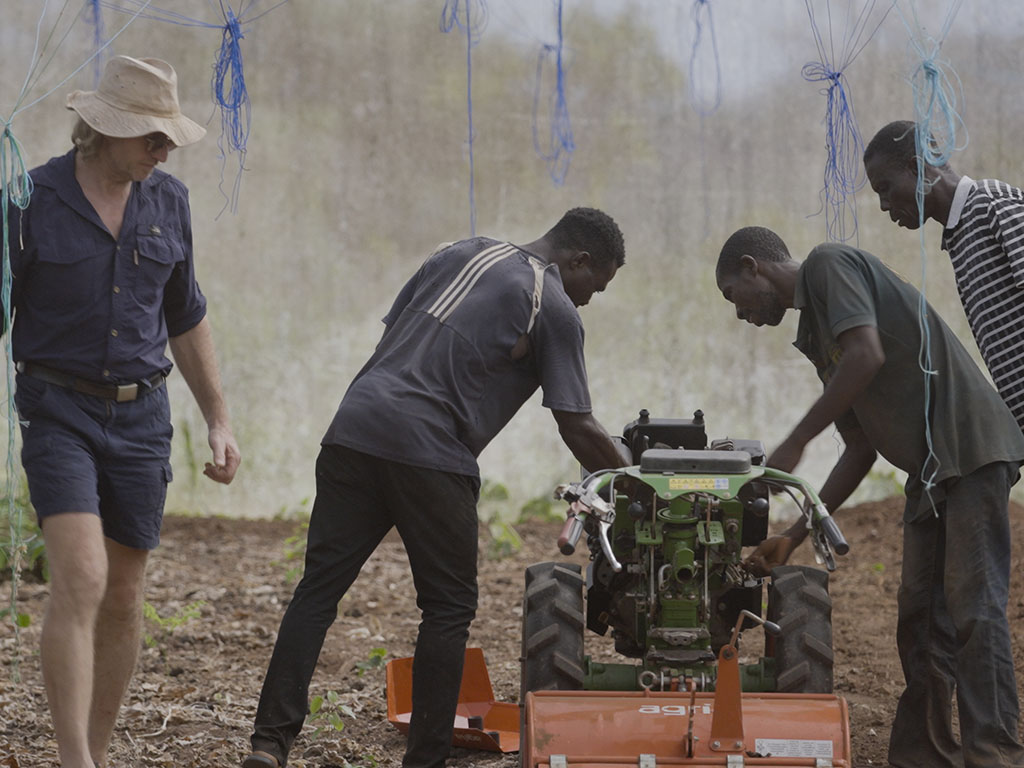
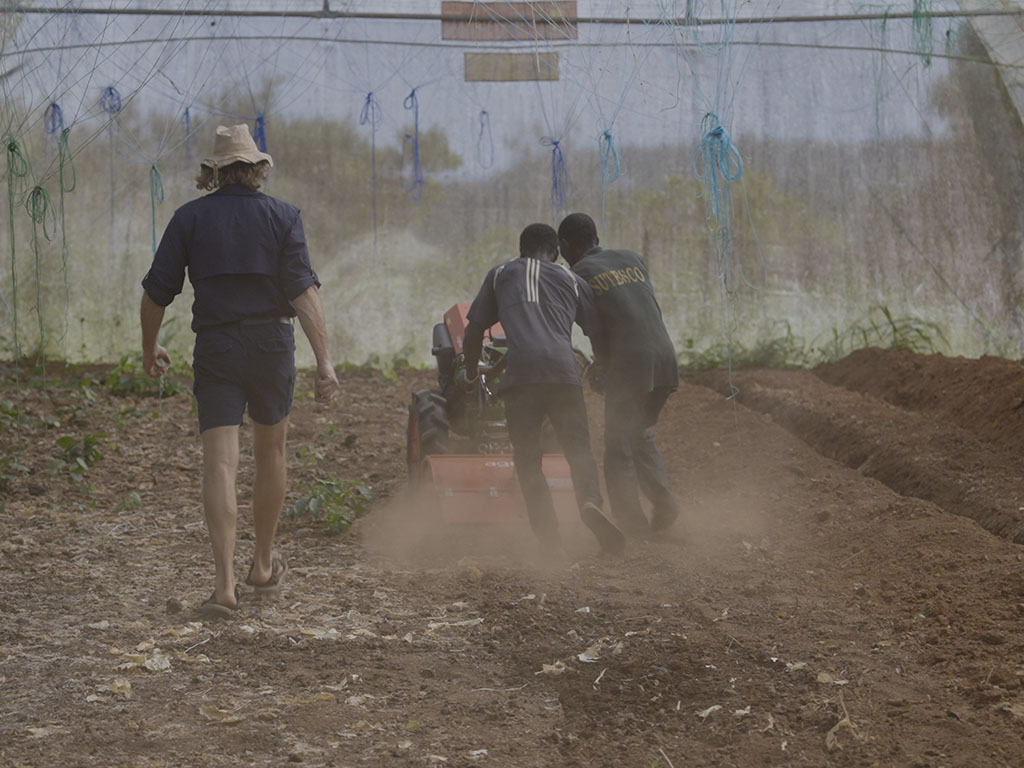
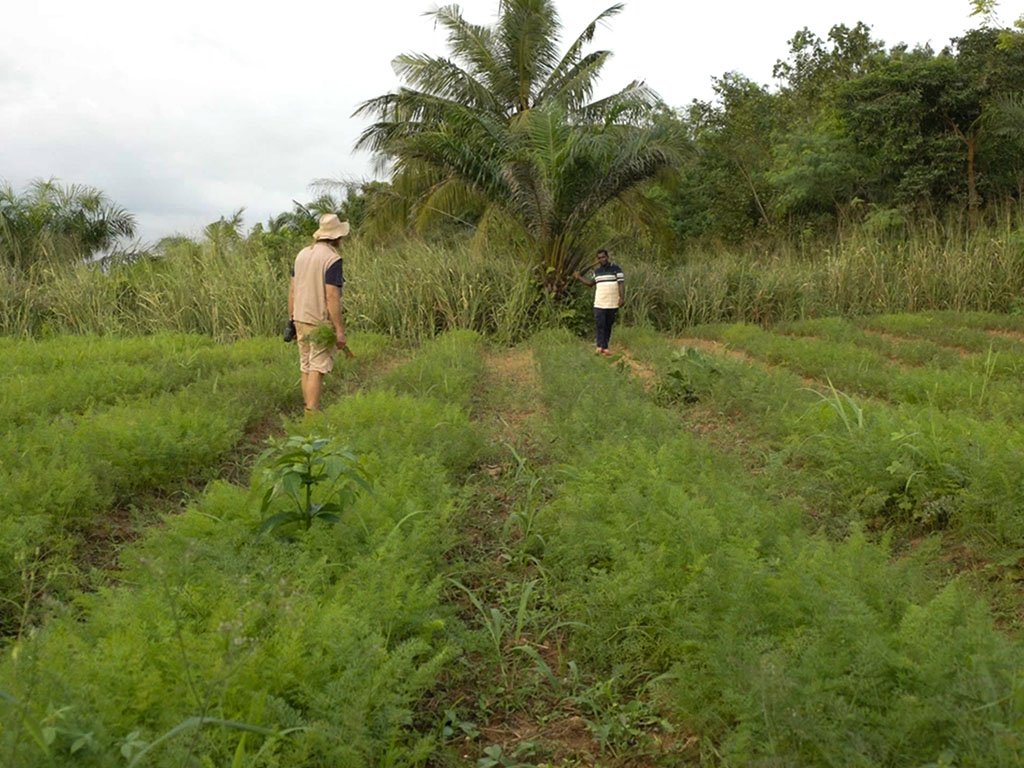
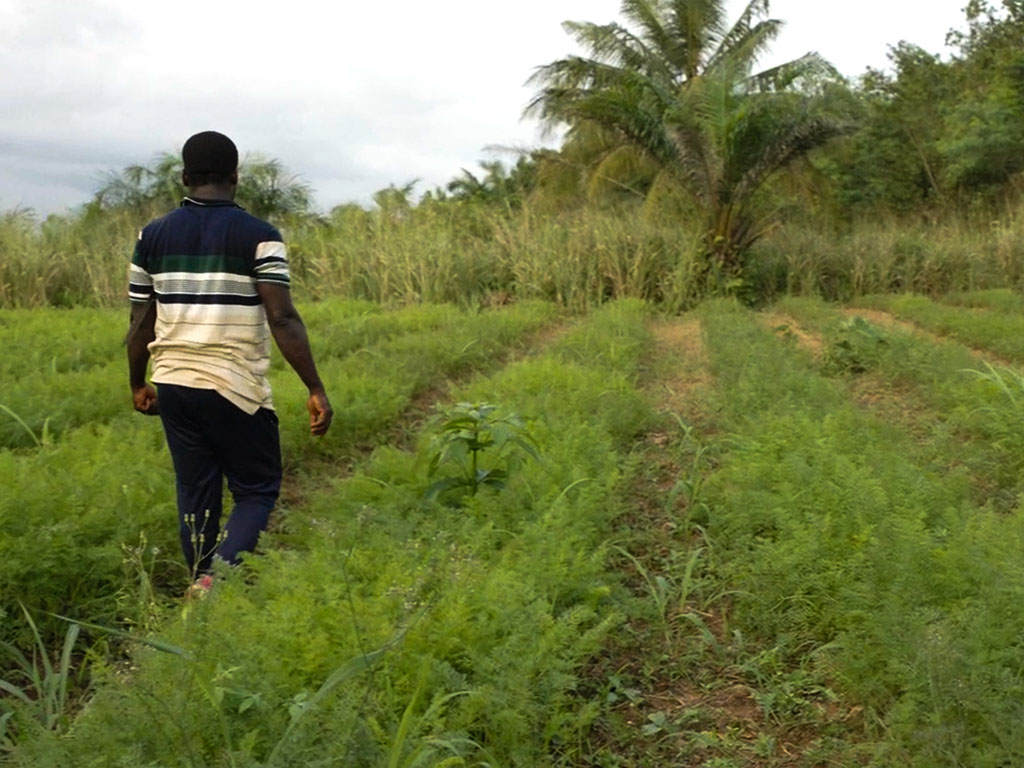
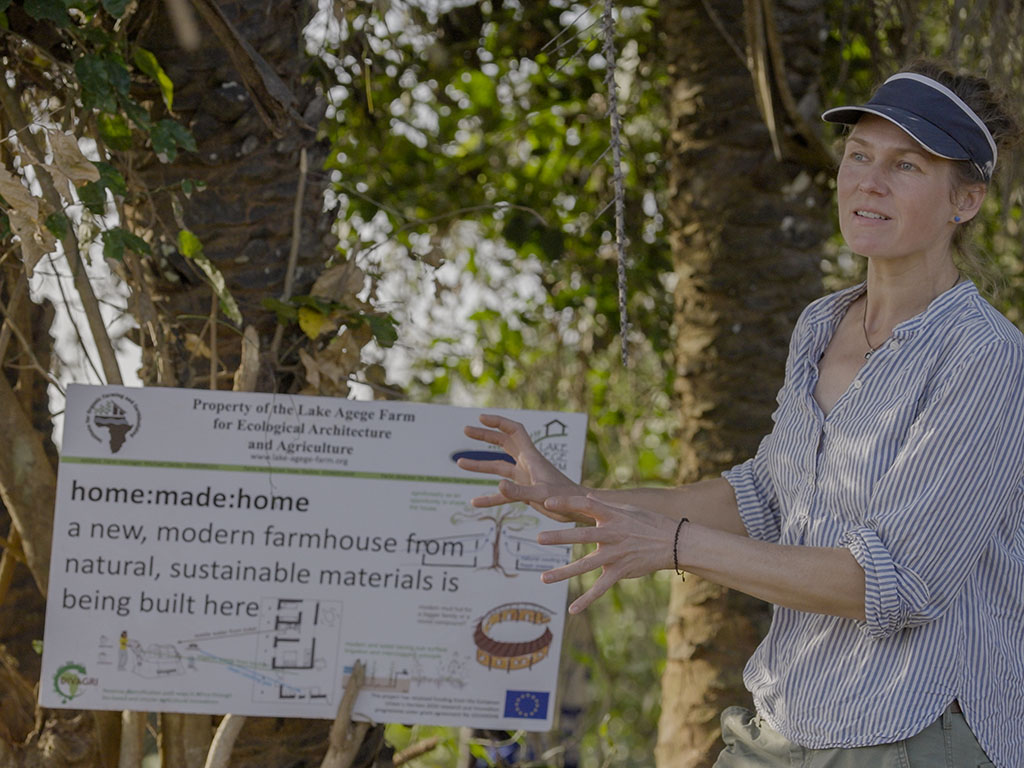
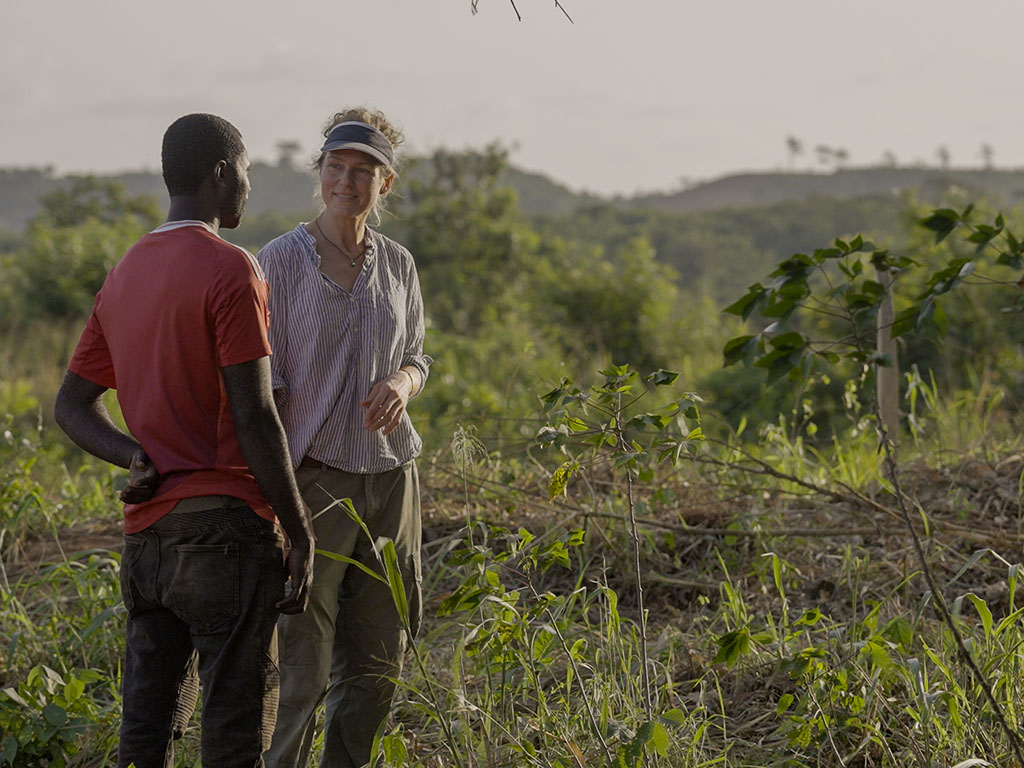
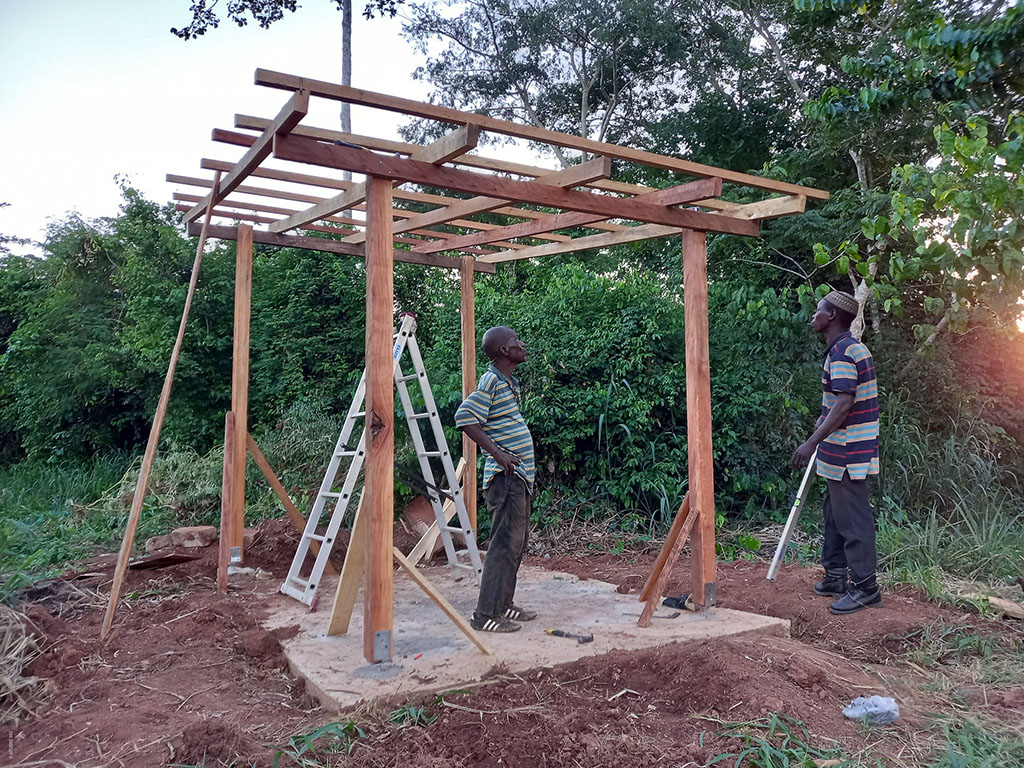
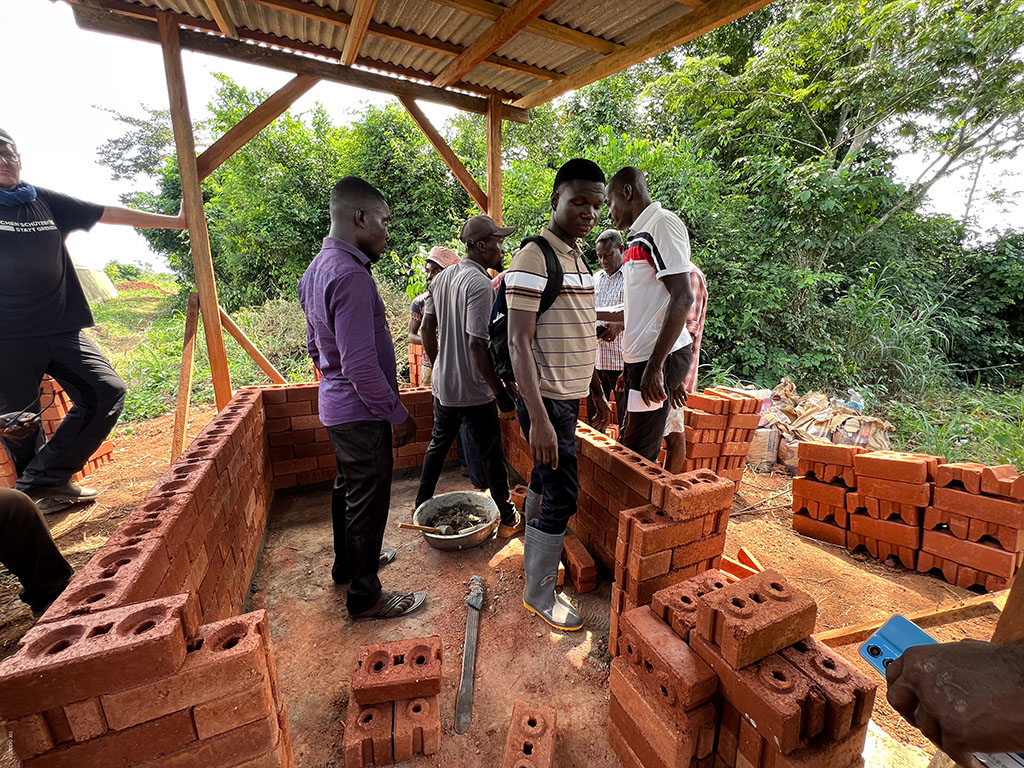
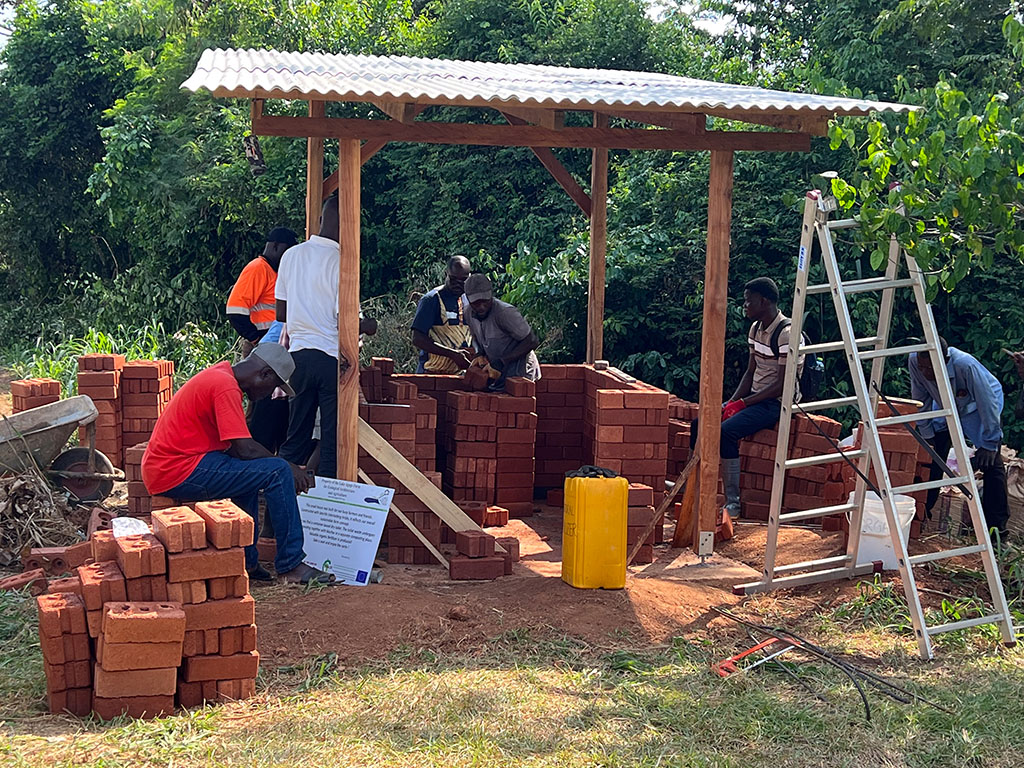
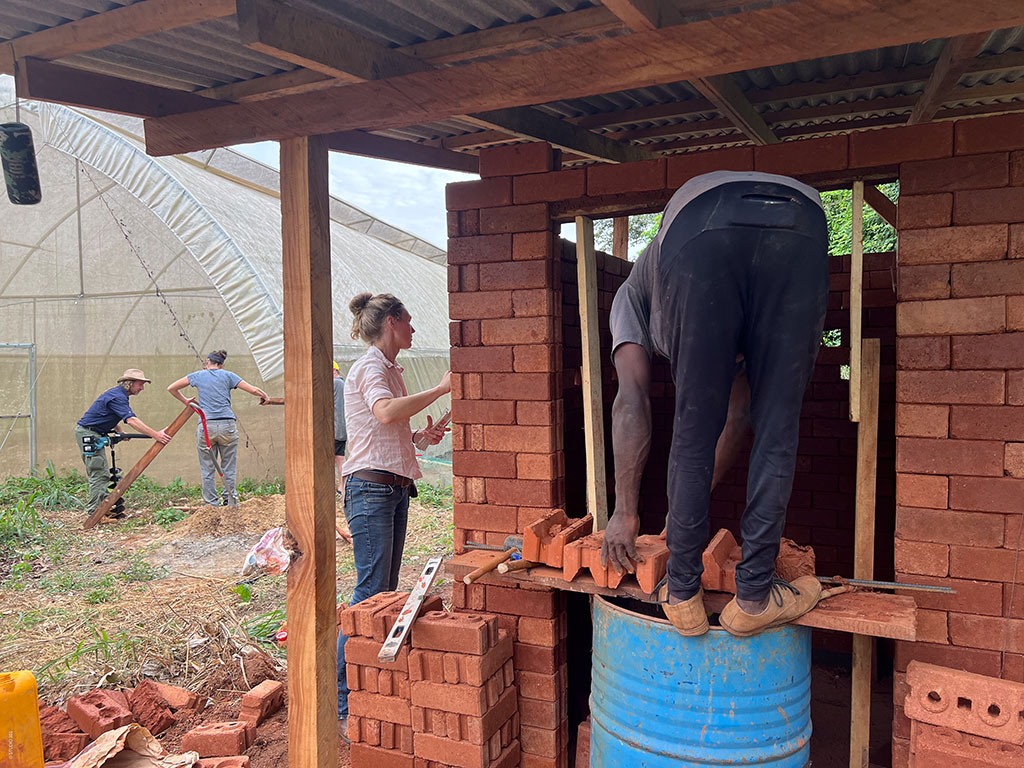
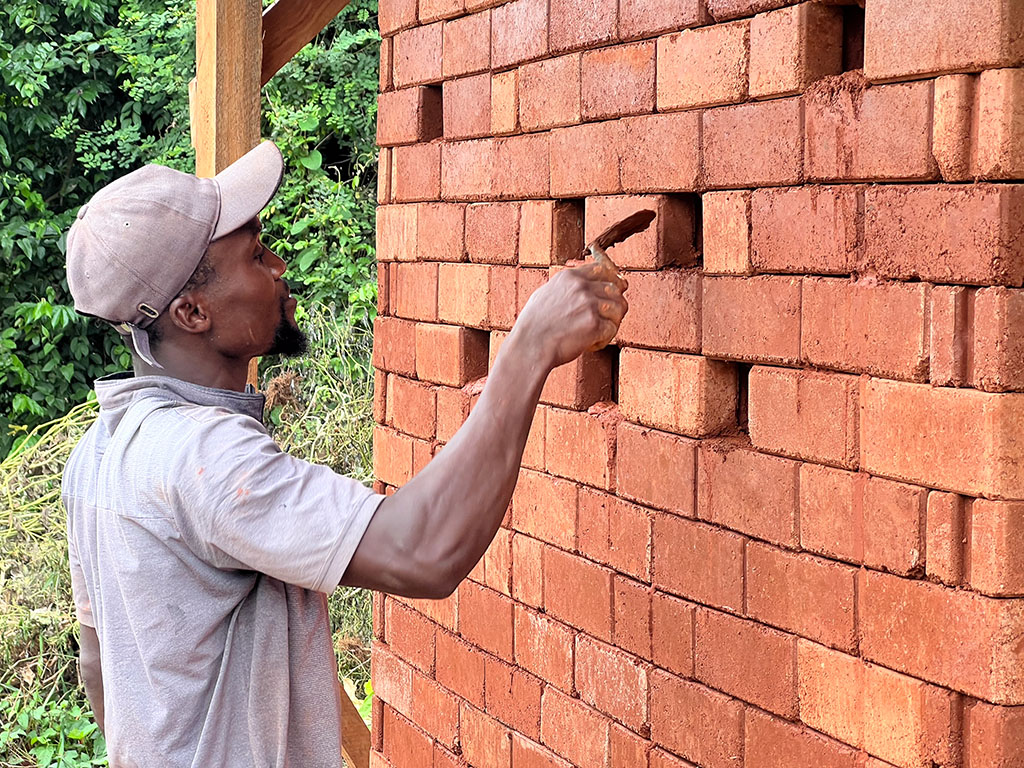
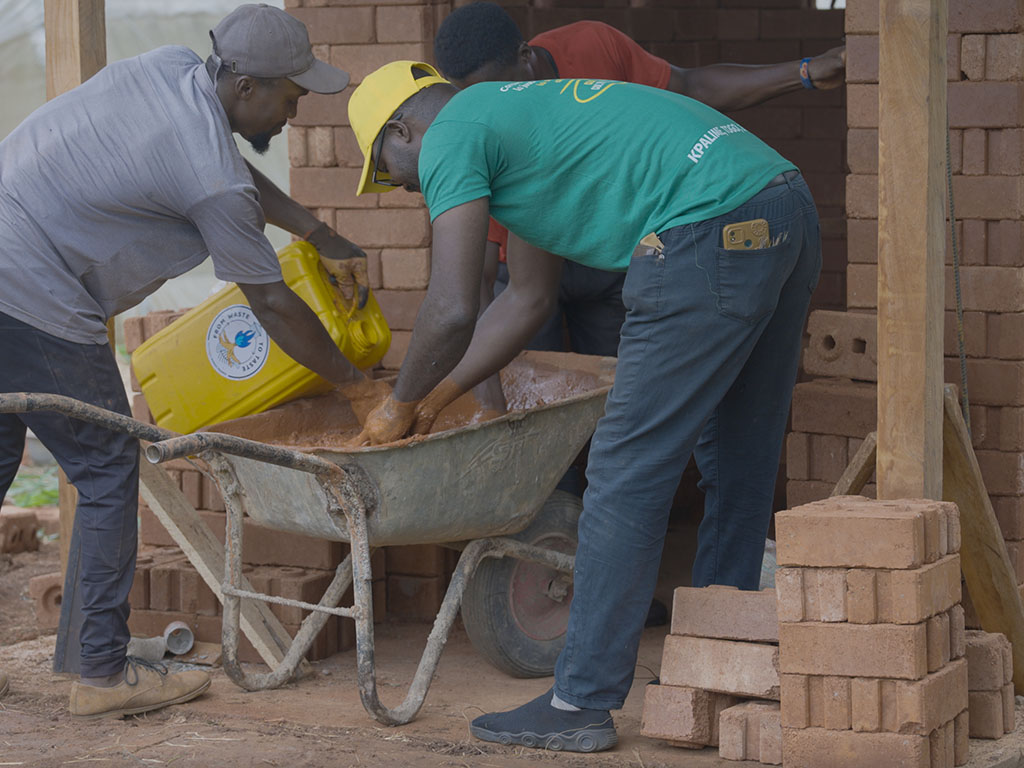
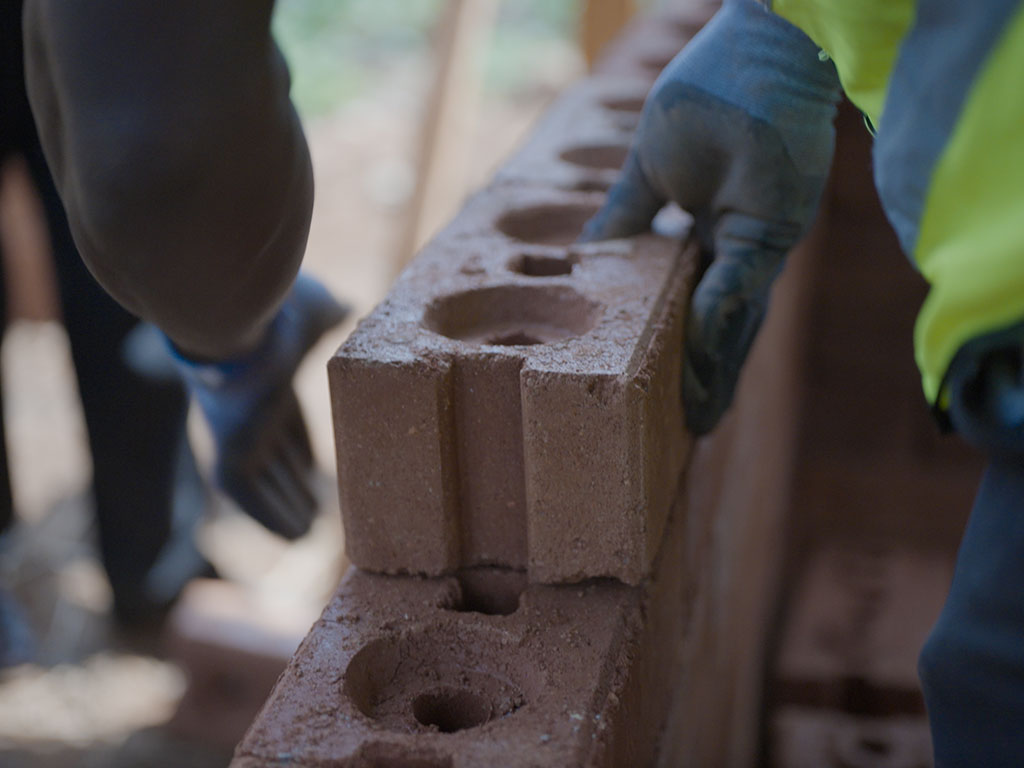
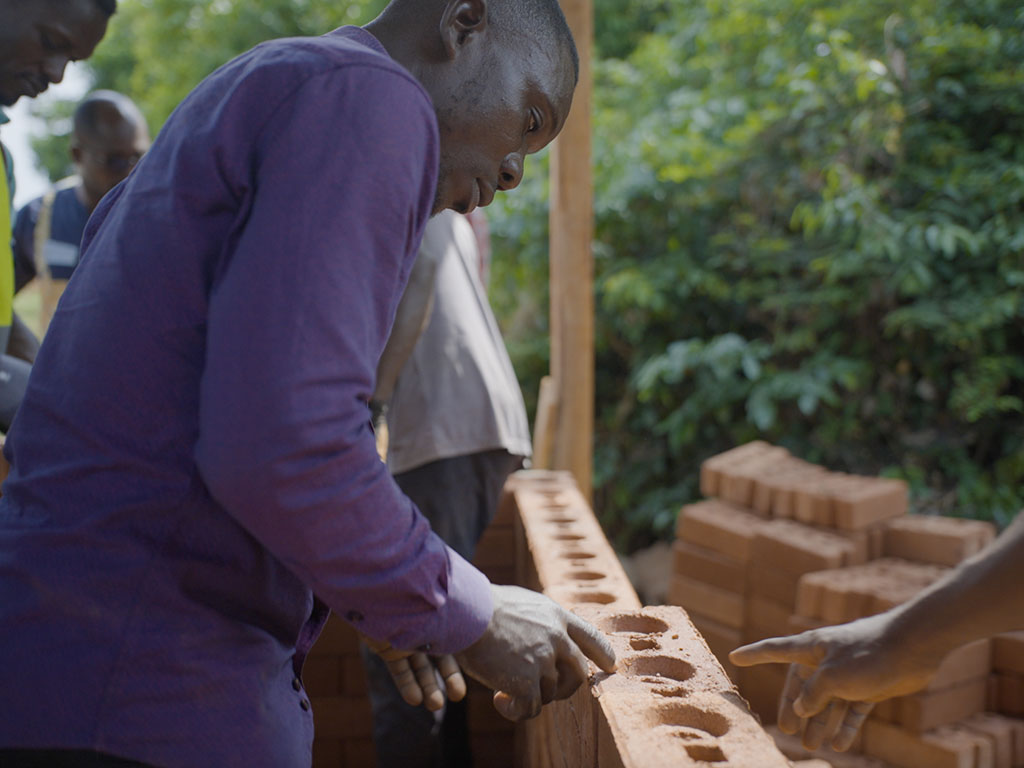
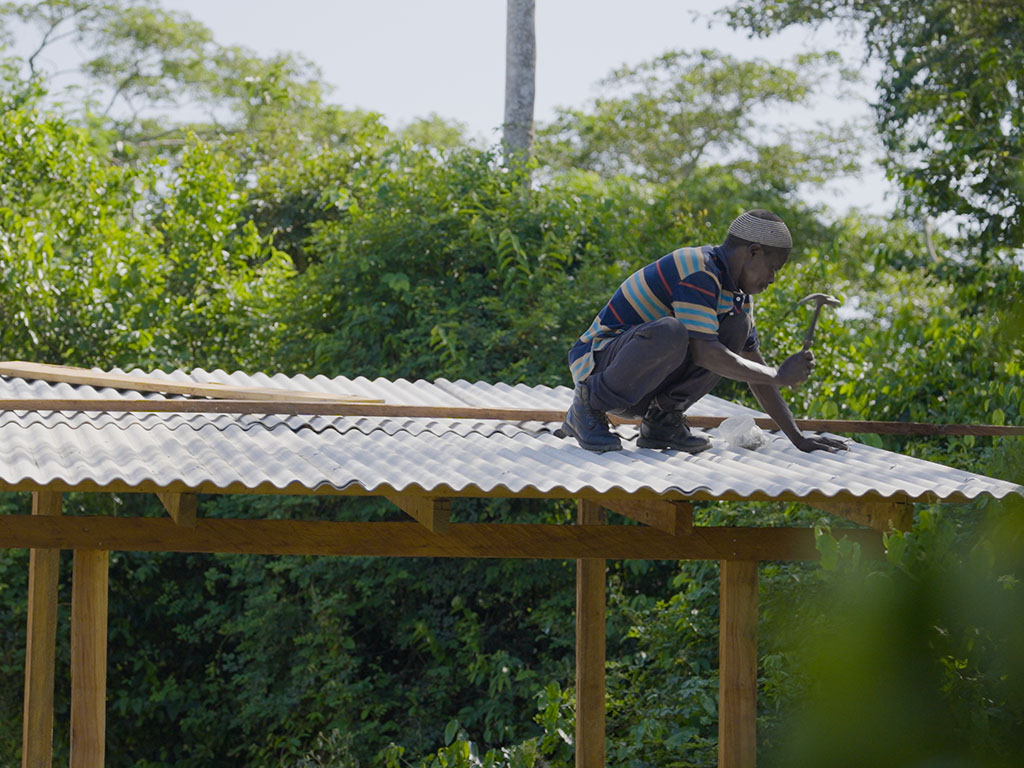
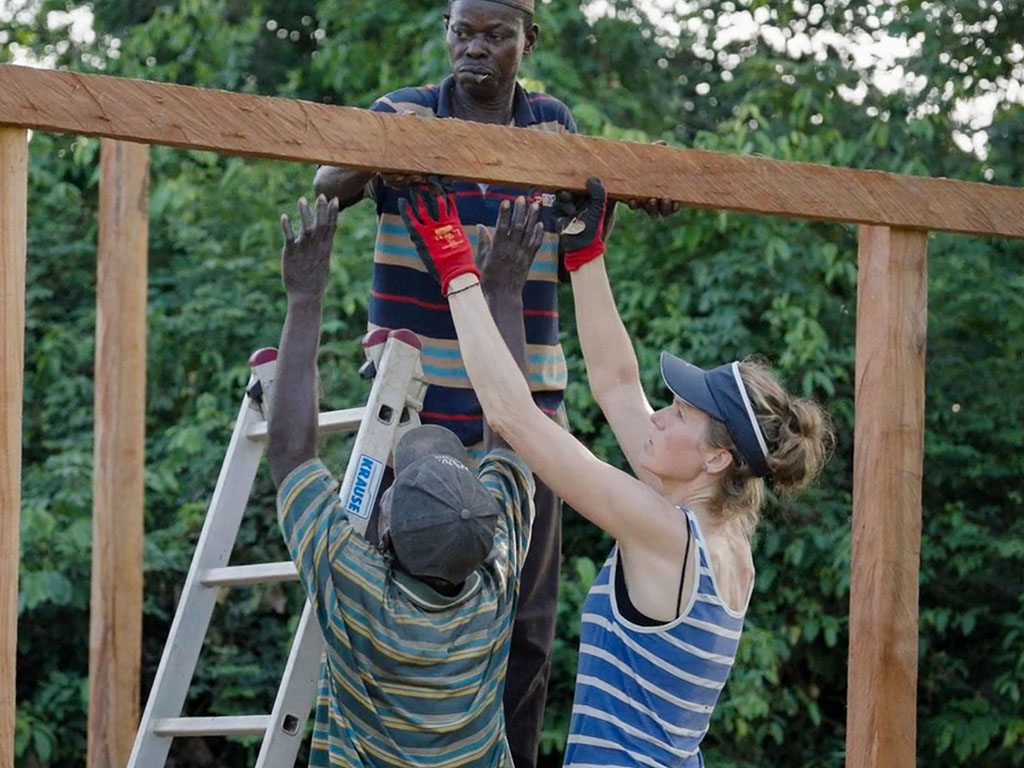
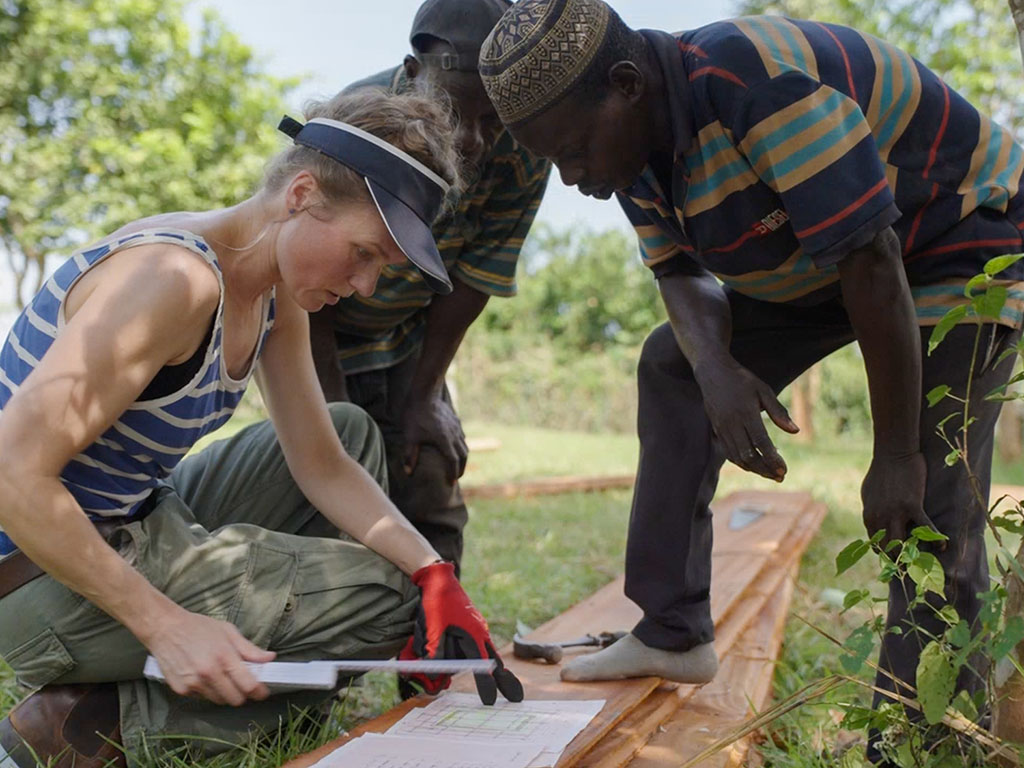
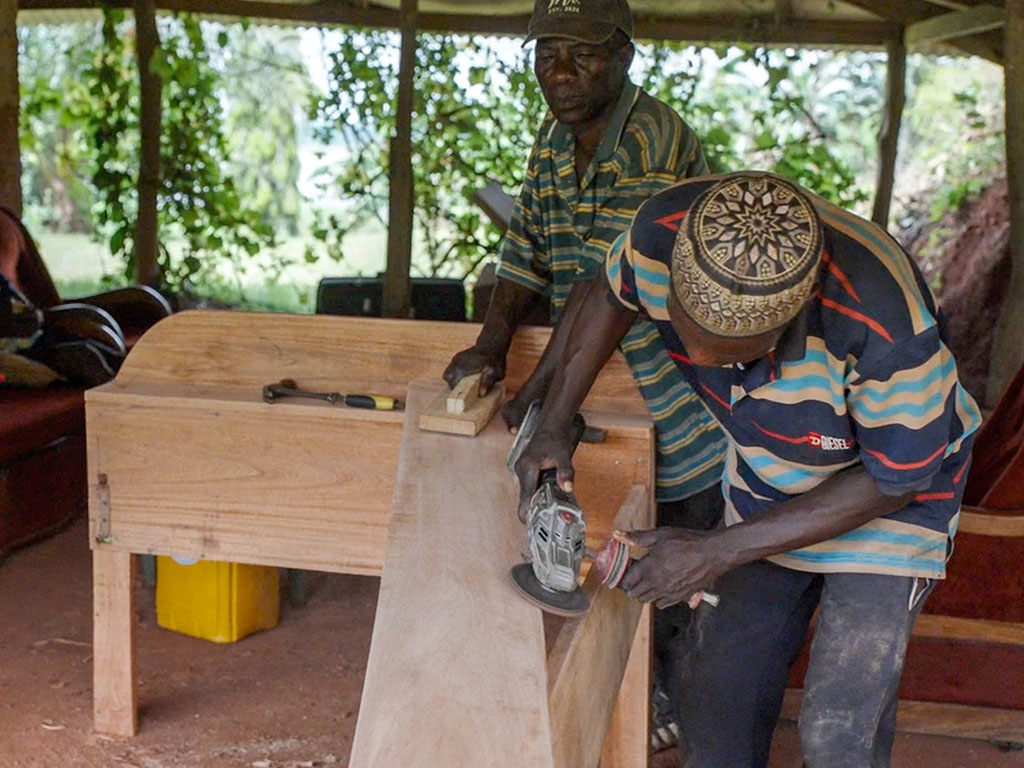
Impressions: House construction in general
Photos by Andreas Duerst (www.studio-301.de)
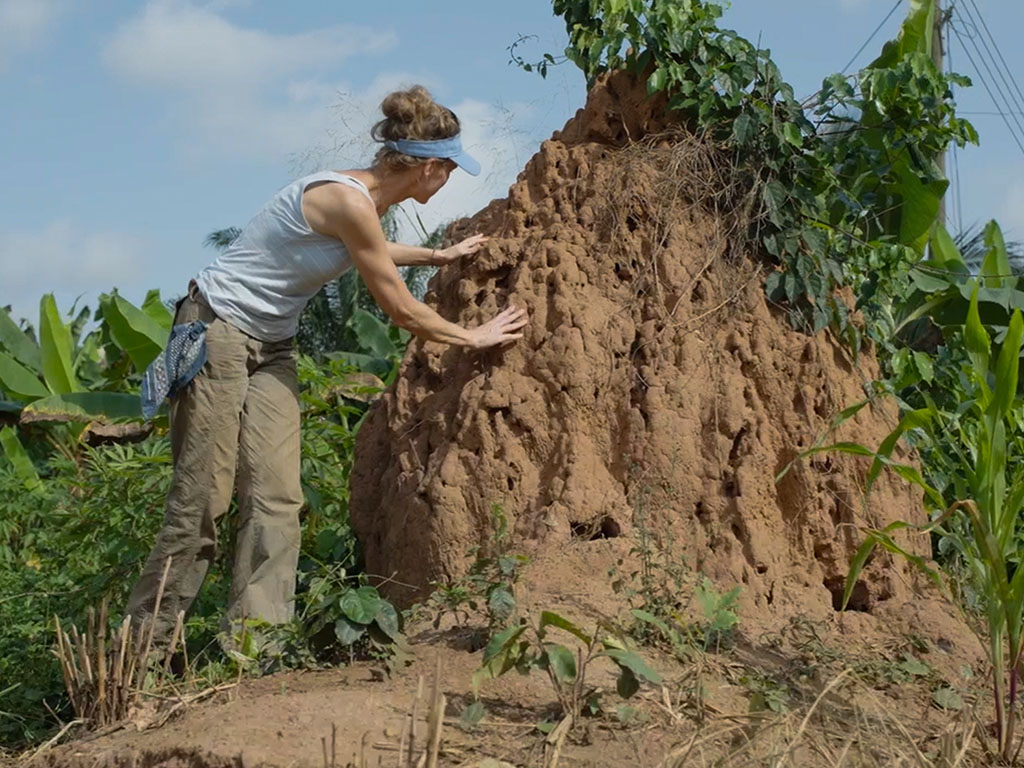
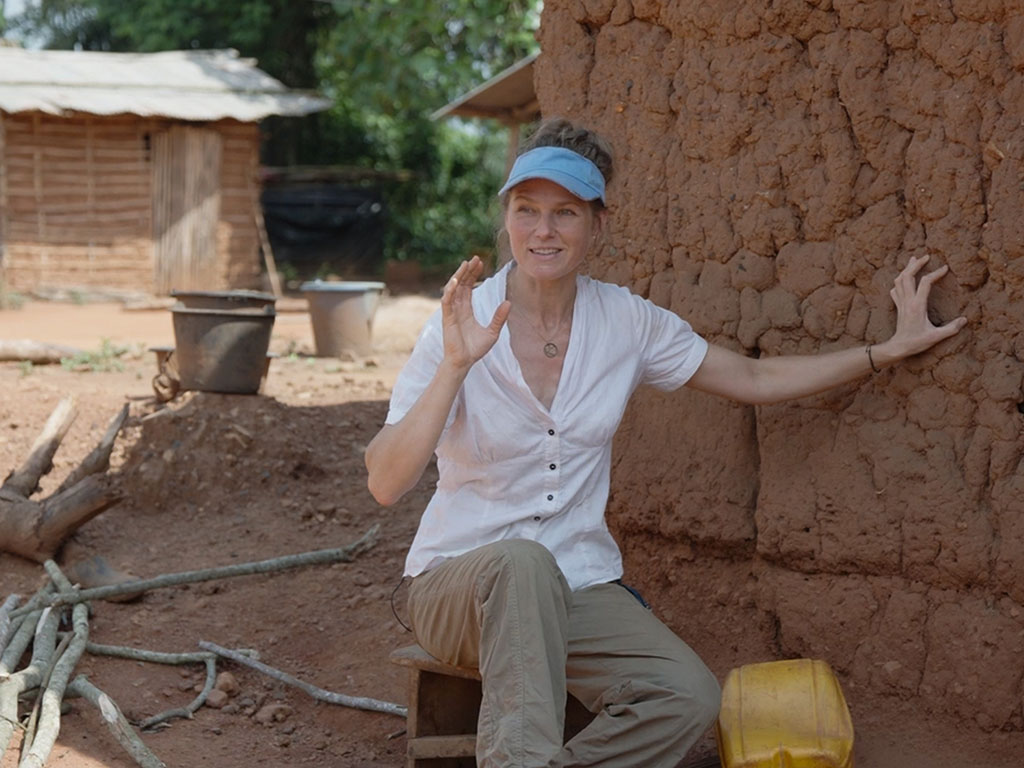
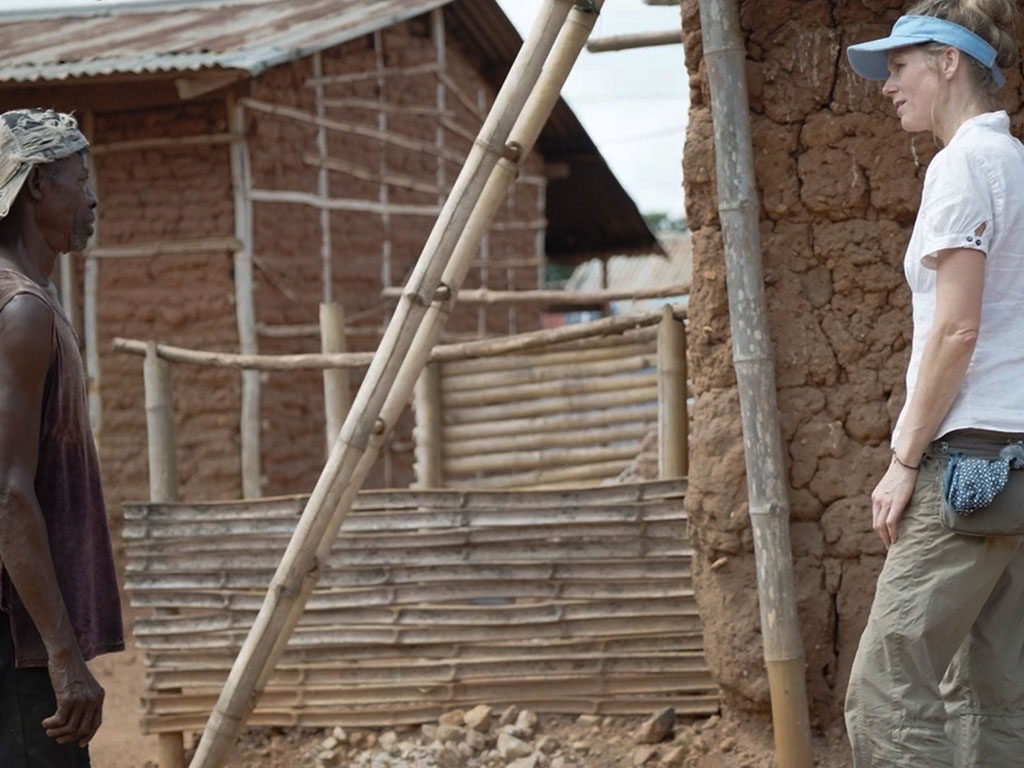
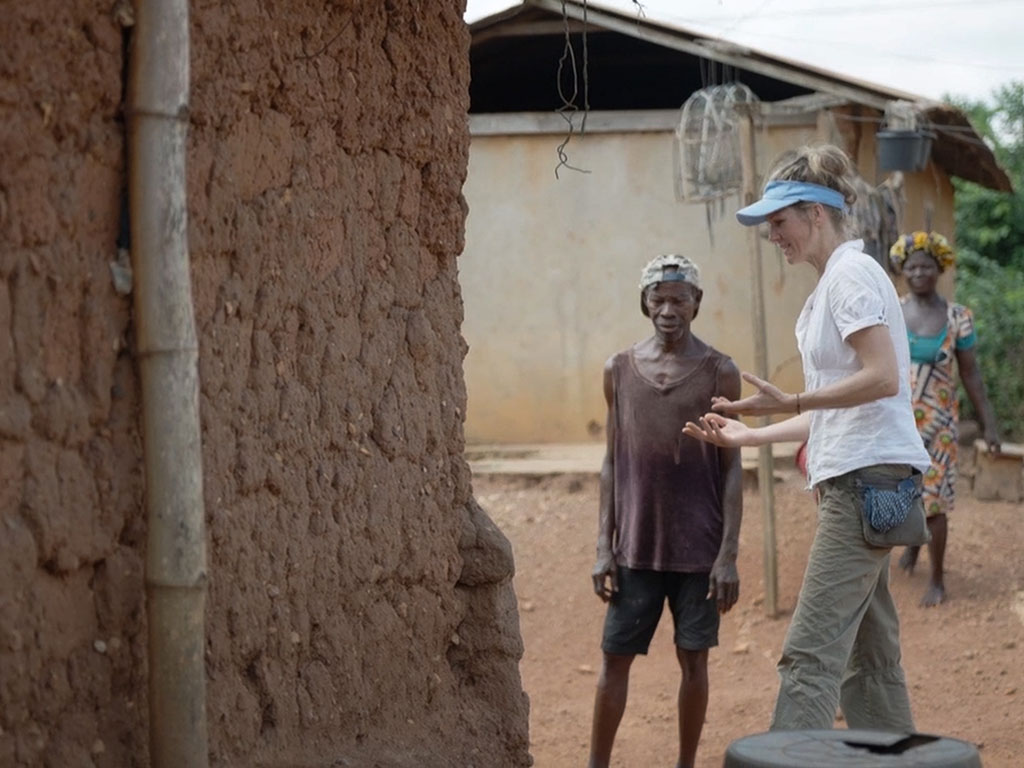
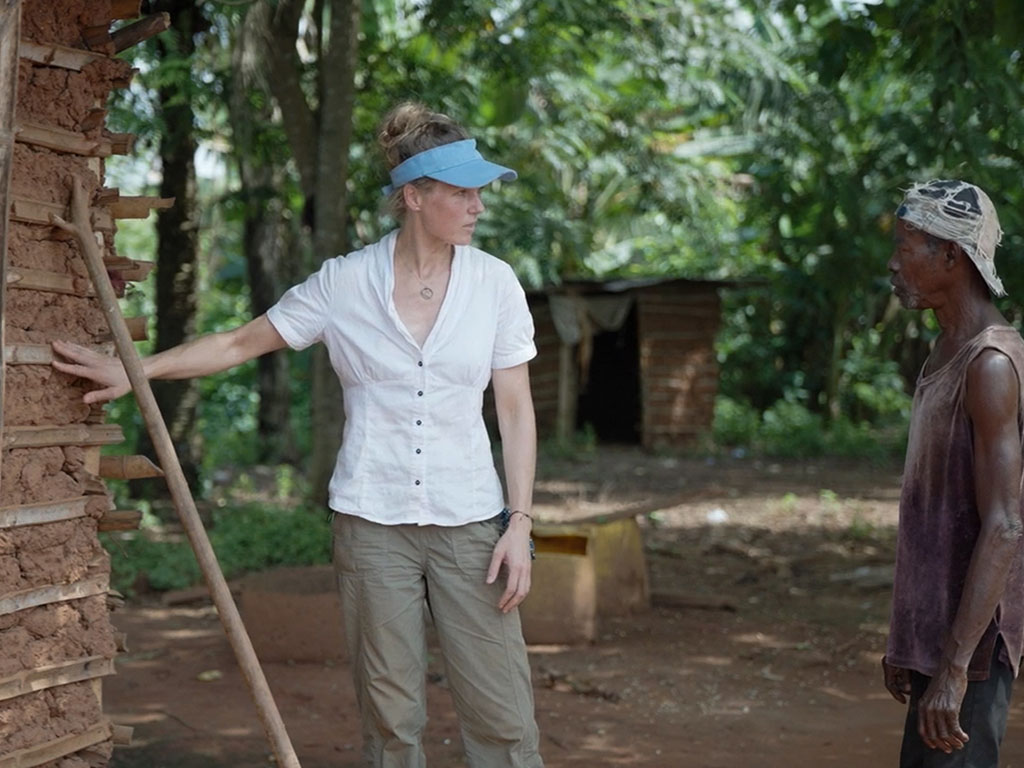
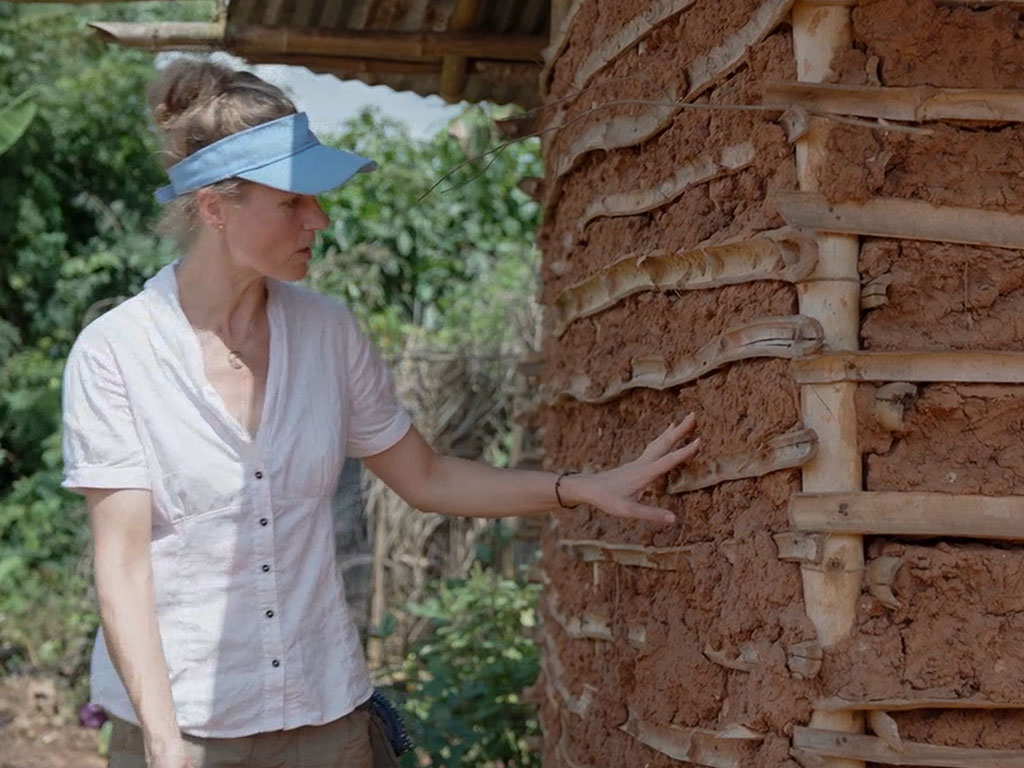
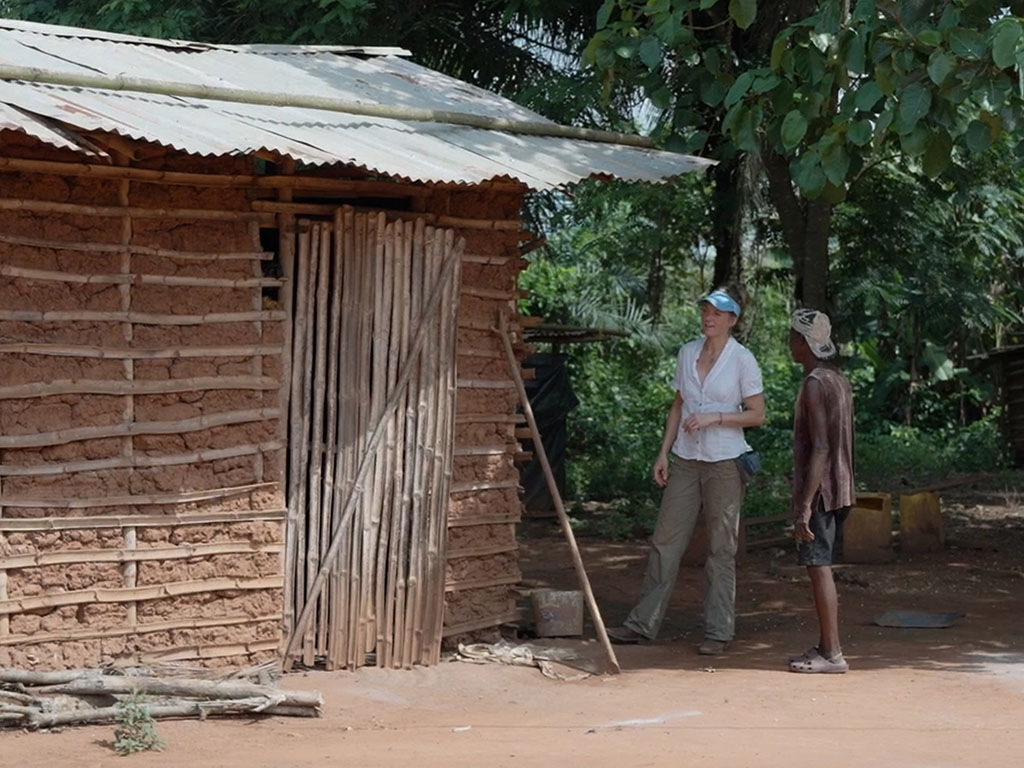
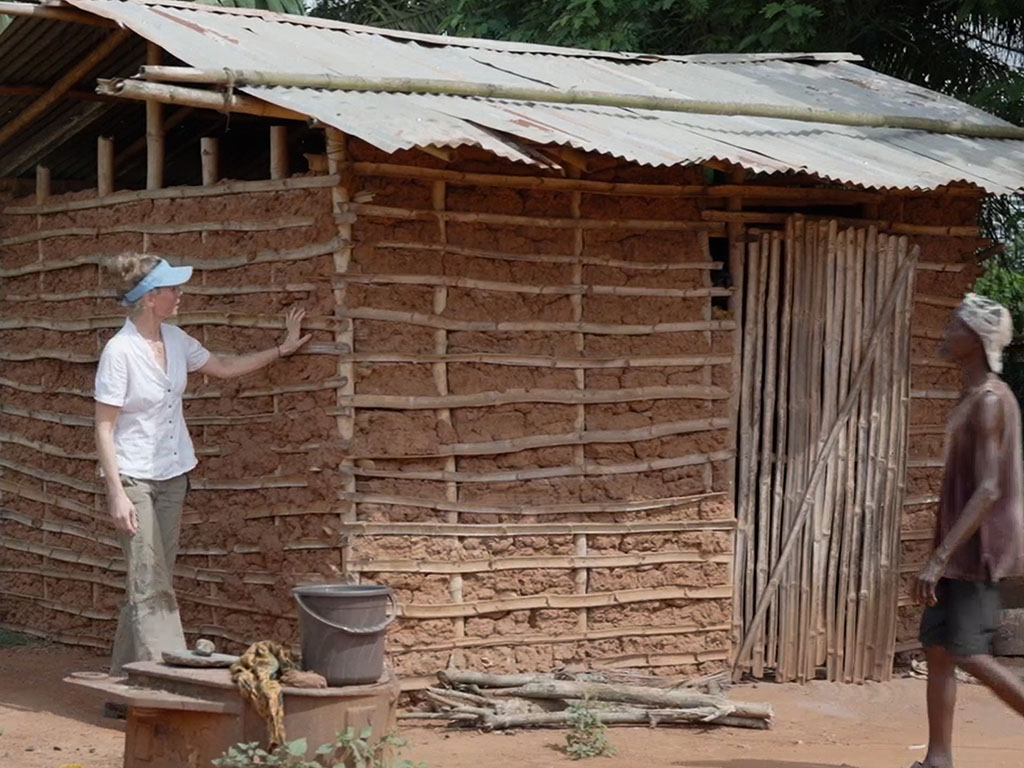
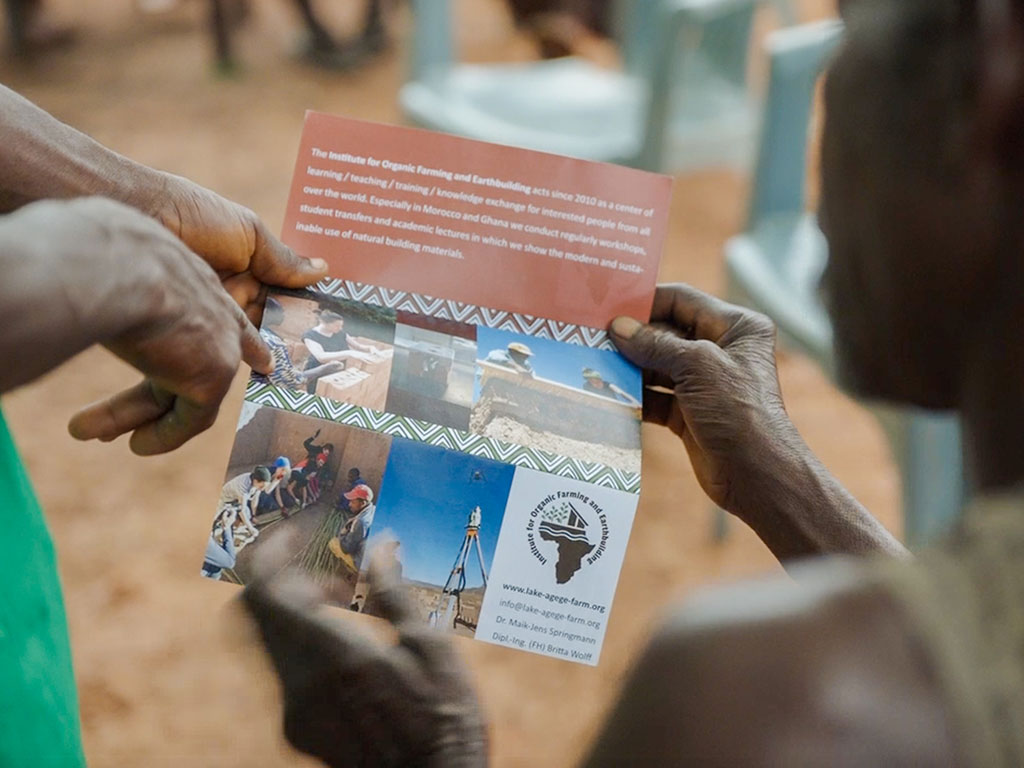
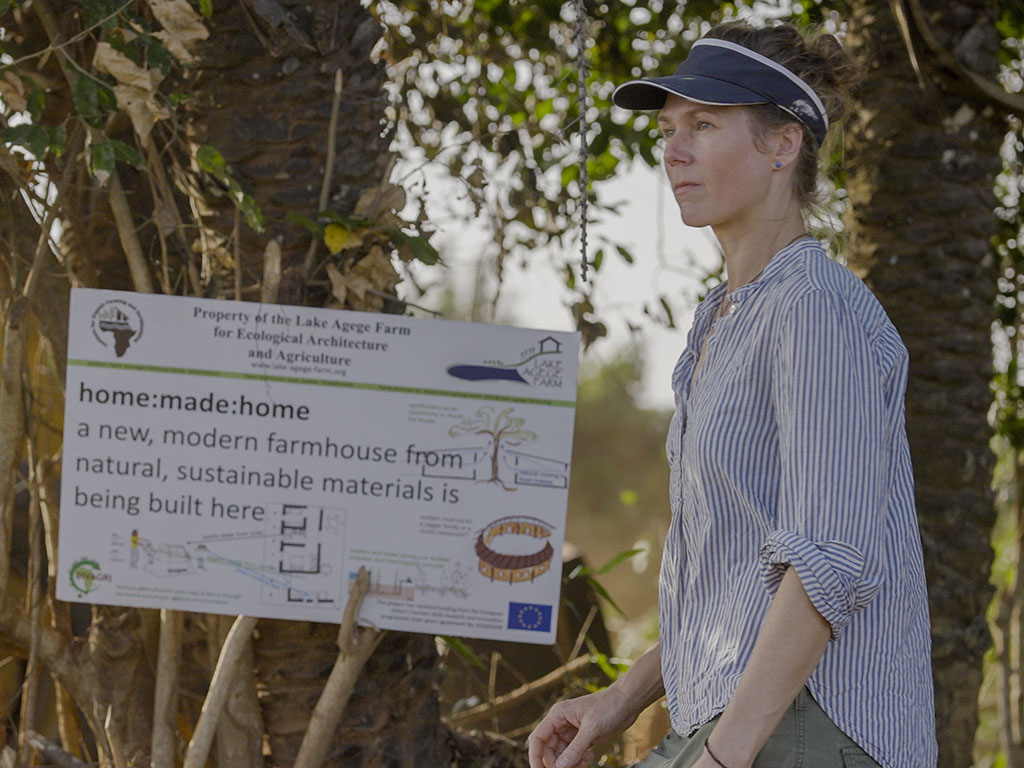
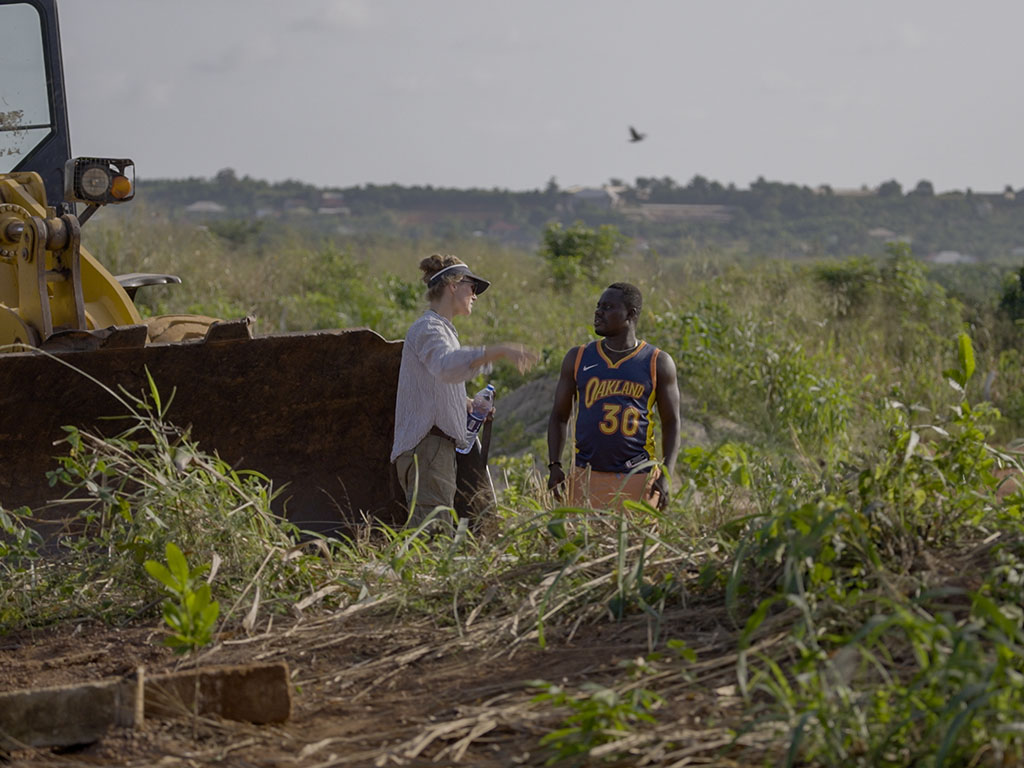
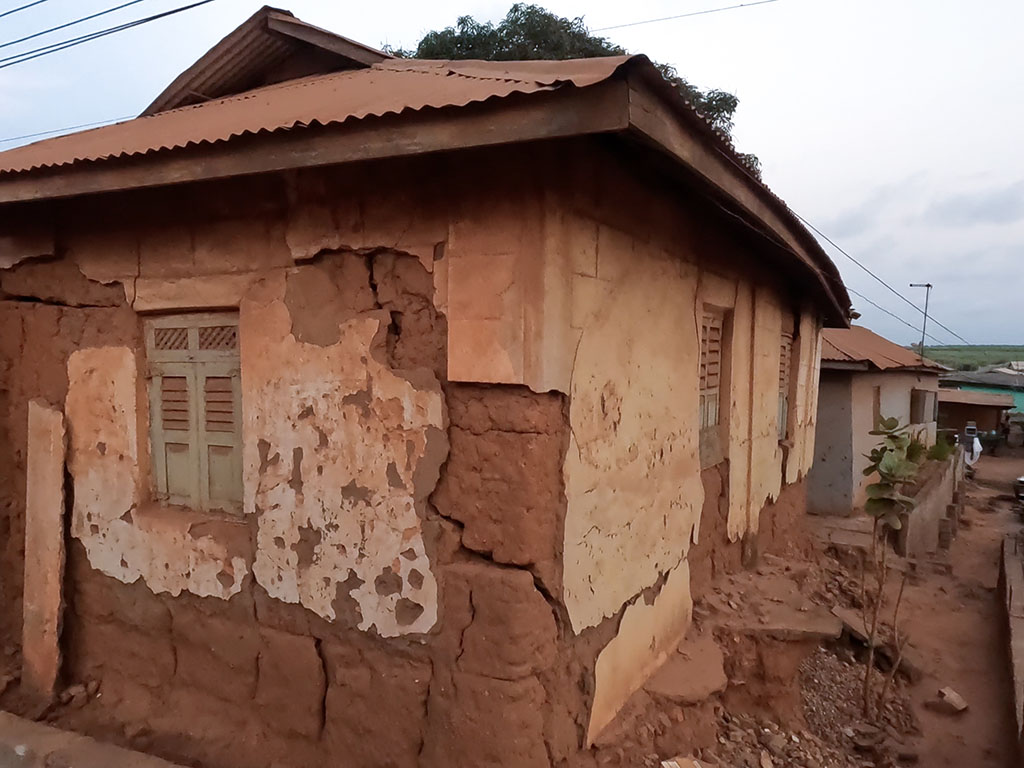
Impressions: Historic clay house
Photos by Andreas Duerst (www.studio-301.de)
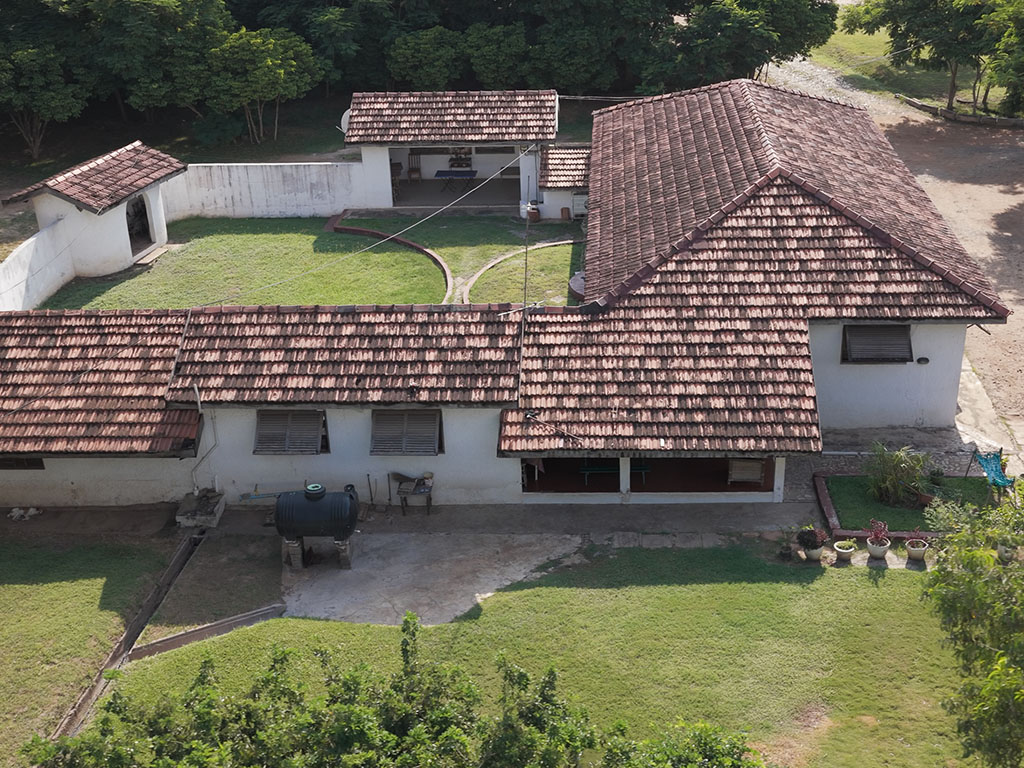
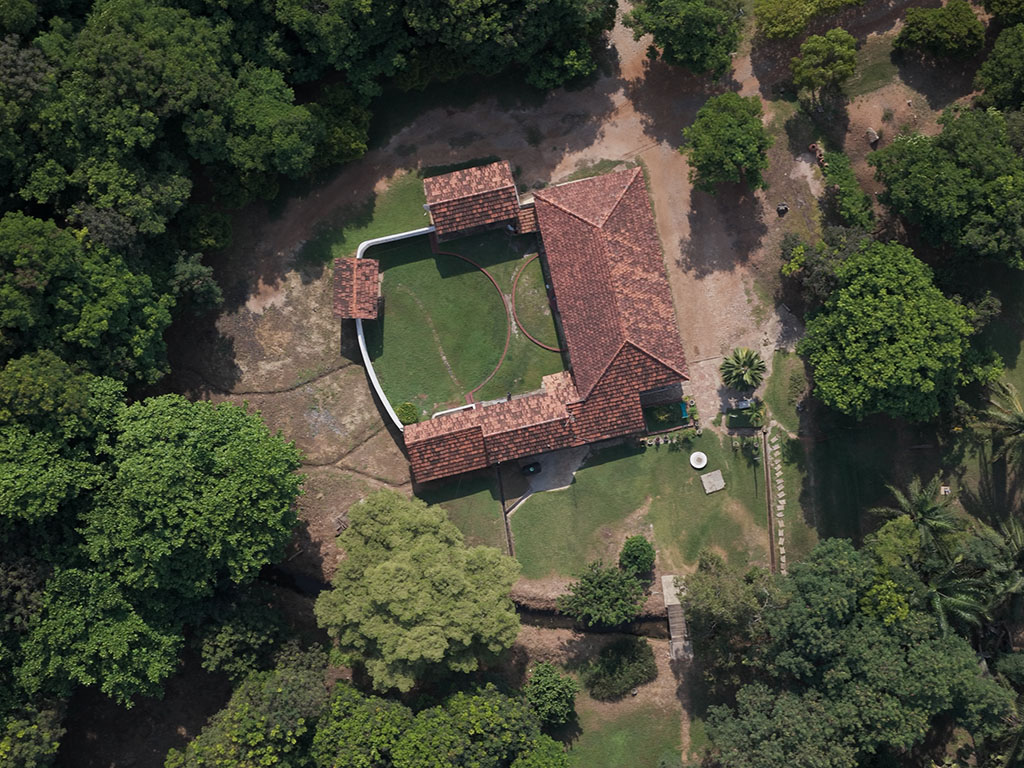

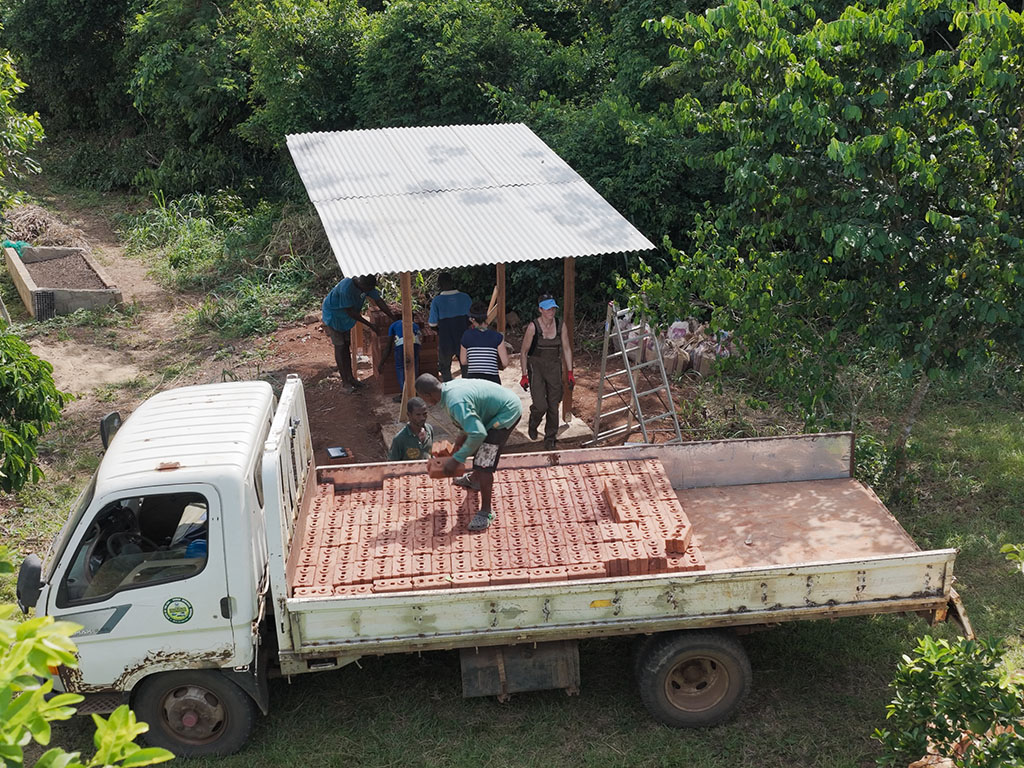
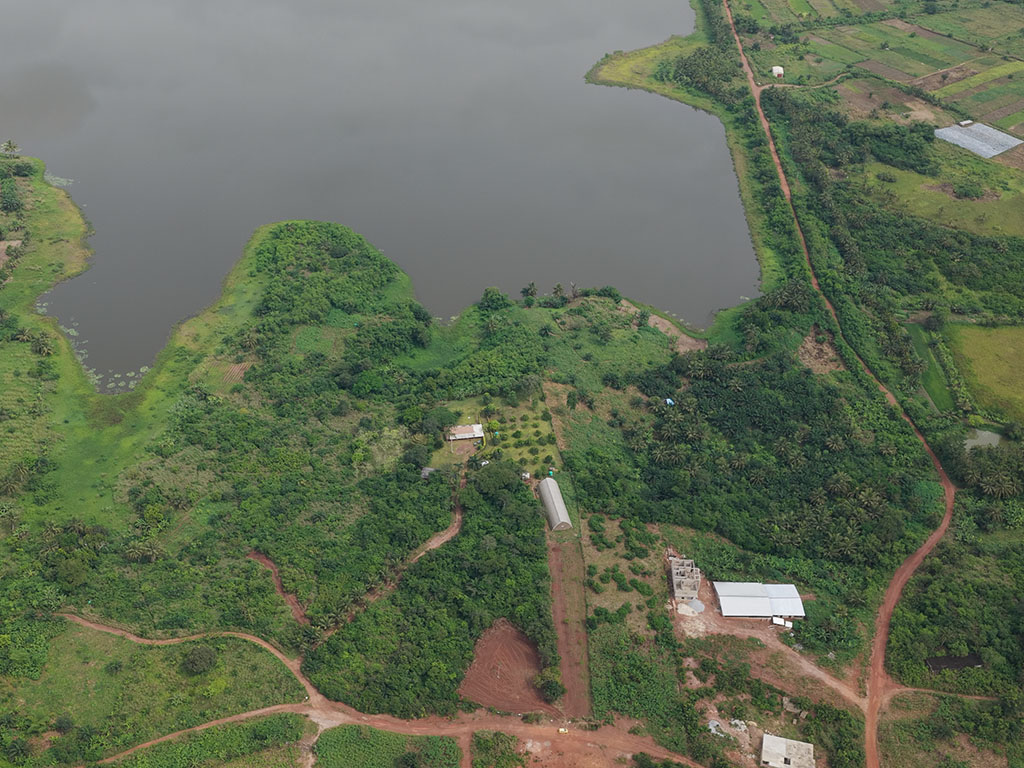
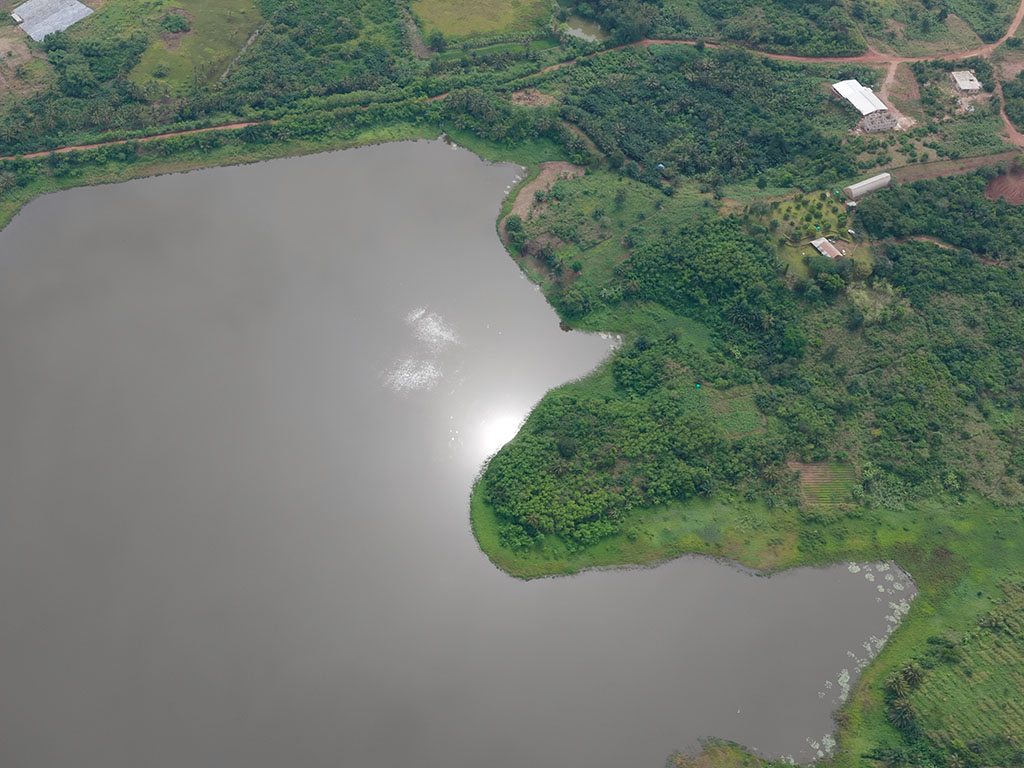
Impressions: Aerial view of house
Photos by Andreas Duerst (www.studio-301.de)
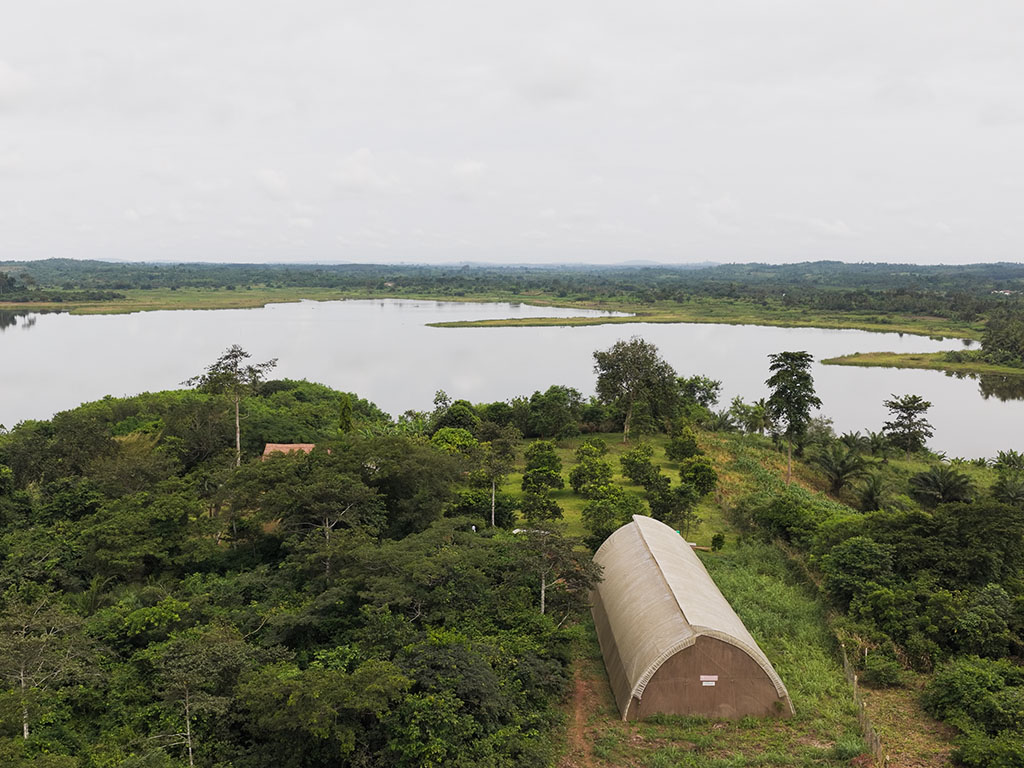
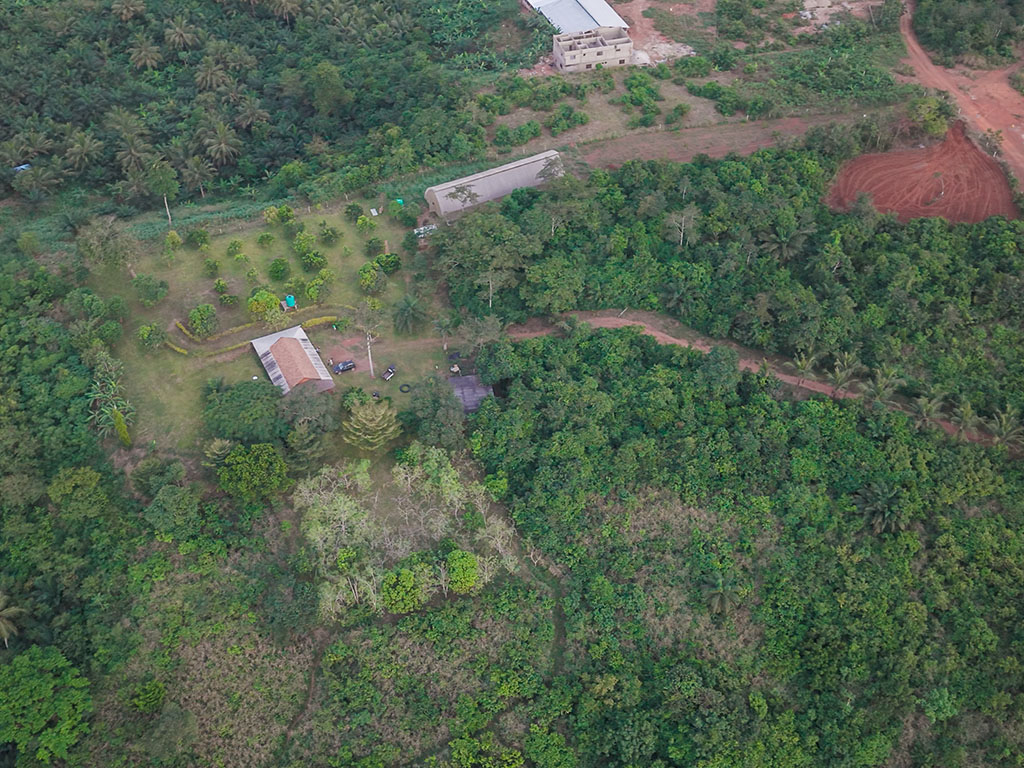
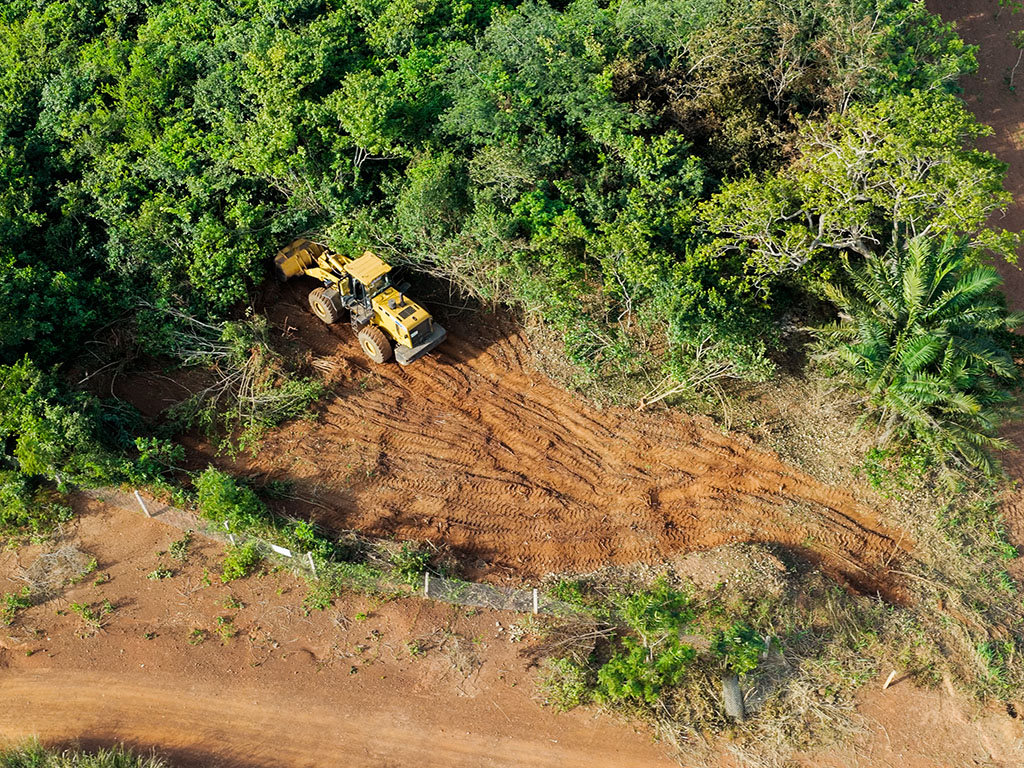
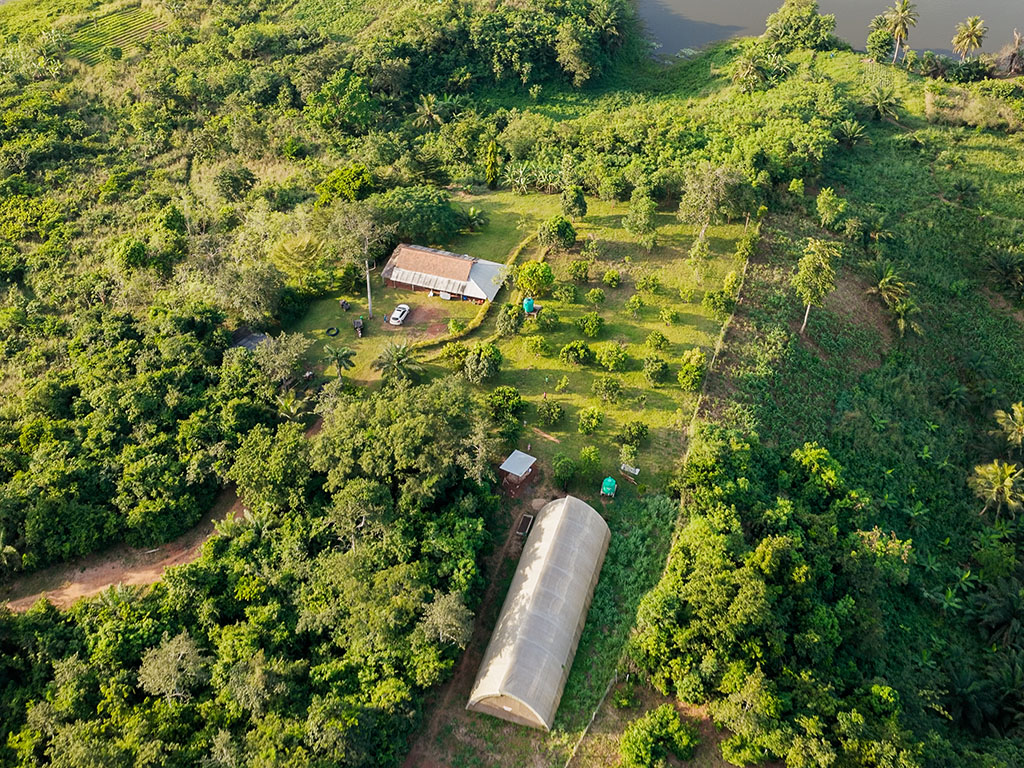
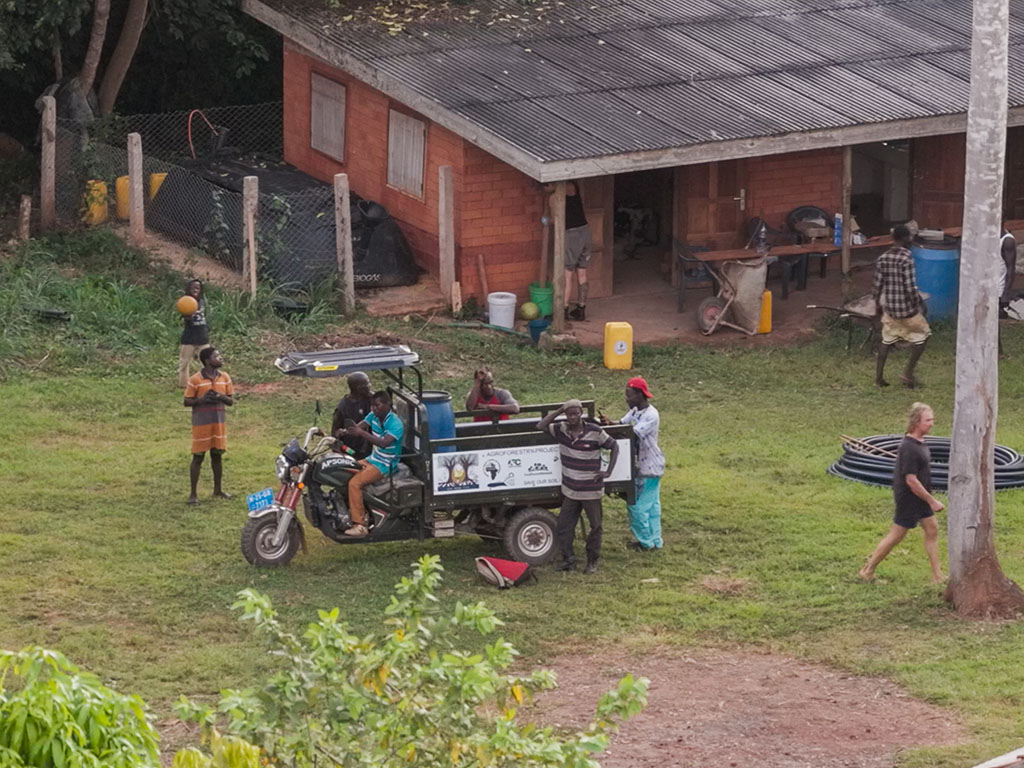
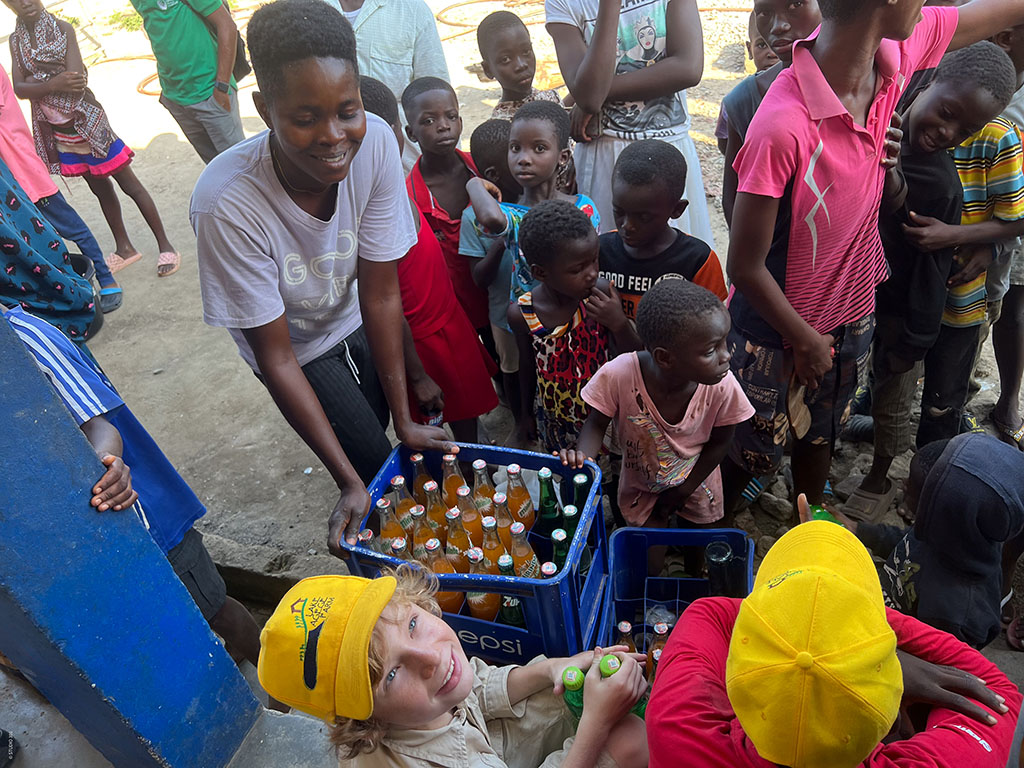
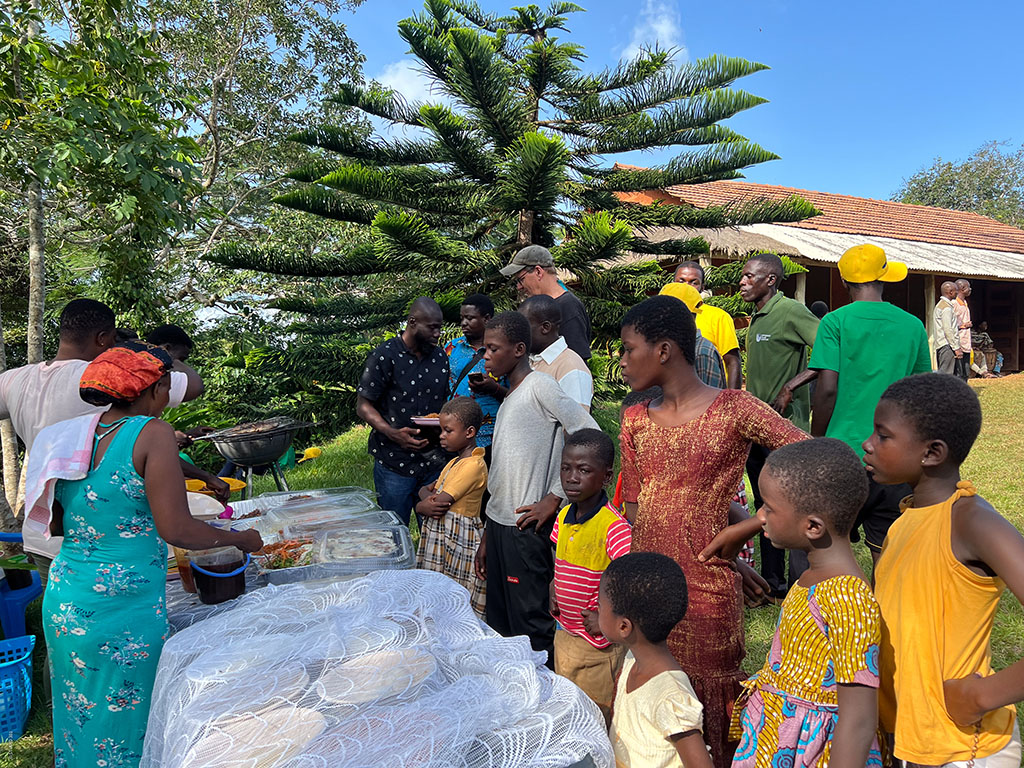
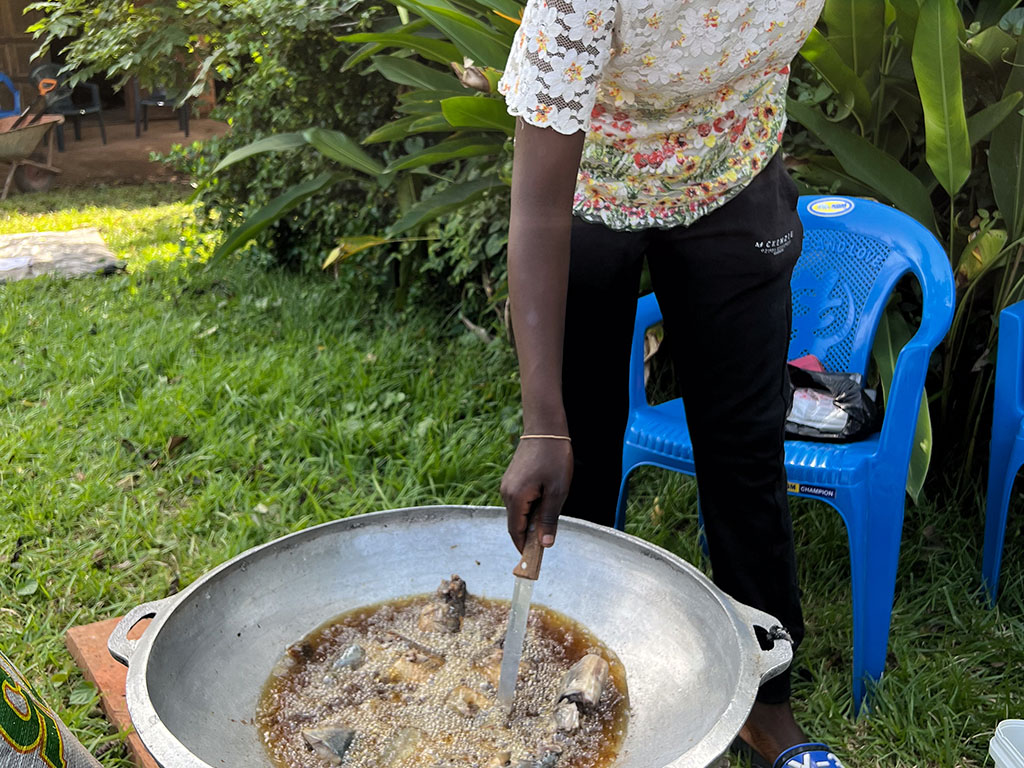
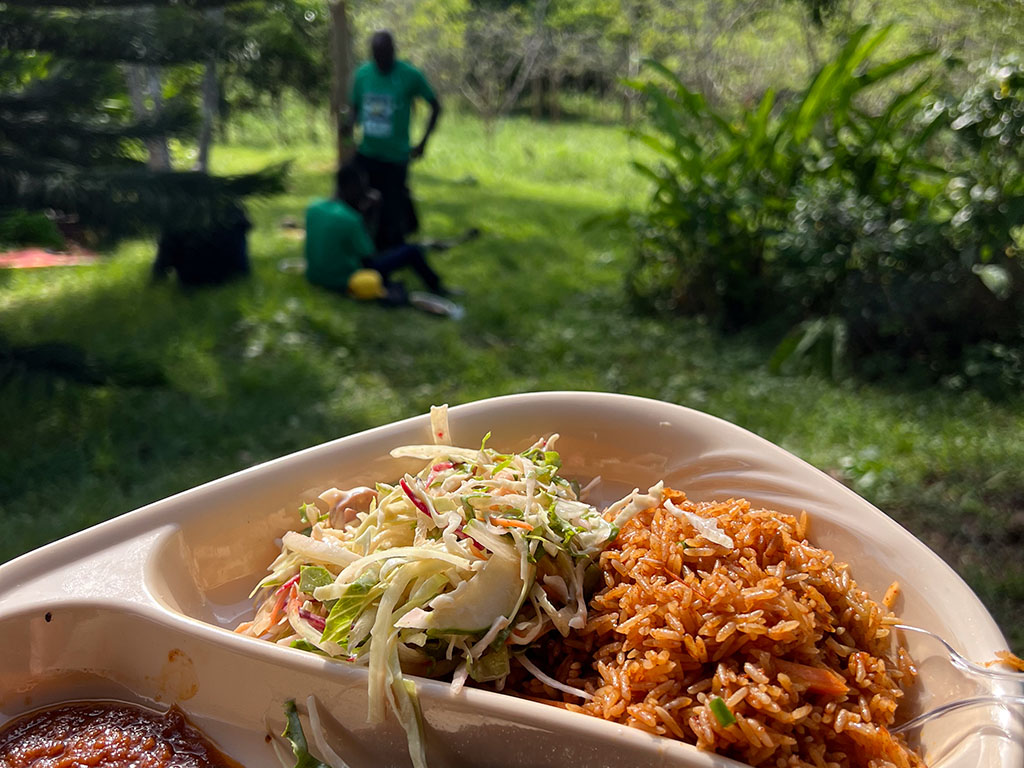
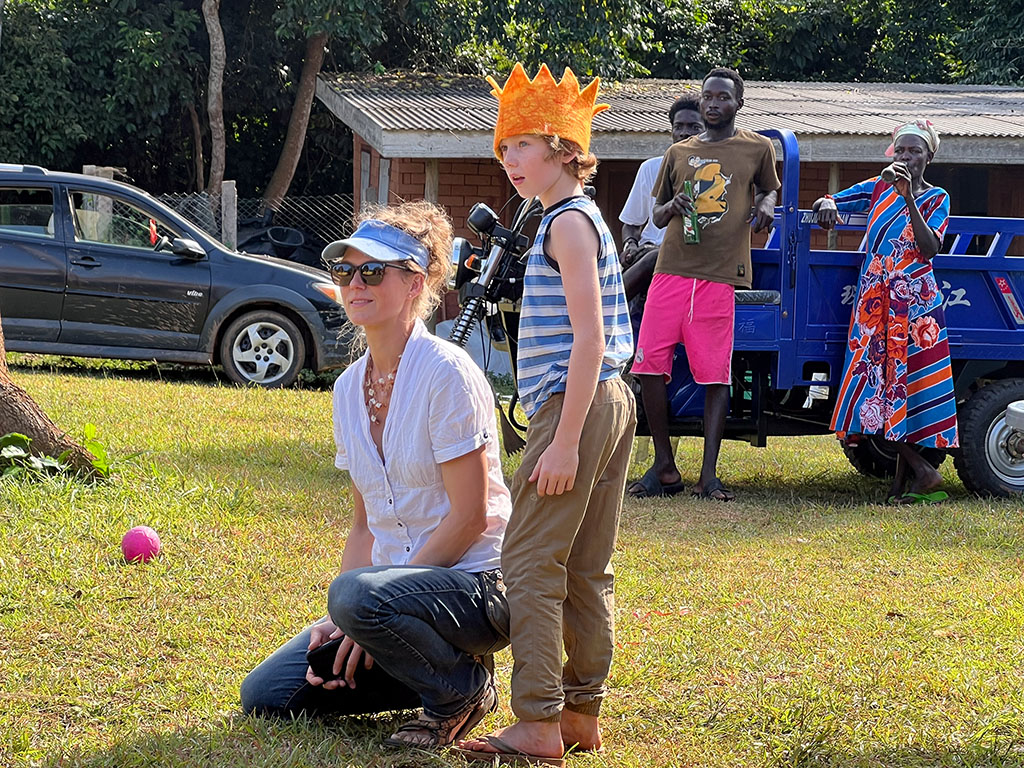
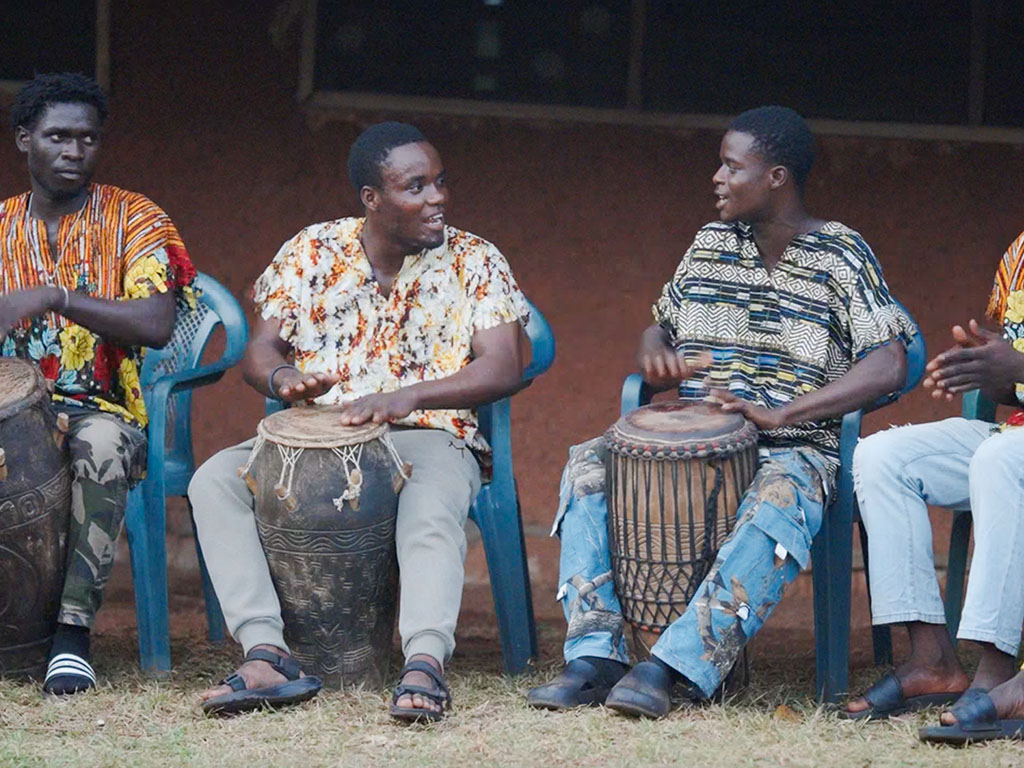
Impressions: Party
Photos by Andreas Duerst (www.studio-301.de)
Afrika, Ghana
close to Mankessim, in the middle of the outback
… WELCOME …
Ghana Farm Project
The idea of the Lake Agege Farm is mainly influenced by Willi Bell, a Missionary’s son, professional fotographer and the first publisher in the 1950s newly independent Ghana.
After retiring from publishing business, Bell founded a very special farm near Mankessim, directly on the shore of Lake Agege. In the middle of vast bushlands, he planned to combine crop rotation with aquaculture. After breeding Tilapia-fish in artificial ponds, draining the basins of water would leave a soil manured by fish-excrements to plant first rice, then different kinds of vegetables.
The Idea could only partially be put into action: Willi Bell died too early.
We want to continue his engagement for a sustainable, regional, down-sized agriculture in our own way.
Our project is so far priorily sustained by private means and developed with the support of our local companions.
On Lake Agege Farm, we aim to create a learning- and meetingplace, where students of architecture, interior design, and construction engineering from the University of Applied Sciences Wismar convene with local farmers and builders as well as with ghanaian students for example from the Institute of Agriculture from the University of Cape Coast which is only 40 km away from our place.
“Nur hier, nur dadurch, dass sie sich auf die Besonderheiten der heimatlichen Natur eingelassen haben und das entwickelten, was an Möglichkeiten in ihr lag, ohne ihr ihre Besonderheit zu nehmen, sondern im Gegenteil, indem sie gerade die naturgegebenen Besonderheiten zu kulturellen erhöhten, entsteht wahre Kultur, der ihre Eigenart wesentlich ist, statt bloß gestaltlose Zivilisation."
Eisel 1982.